

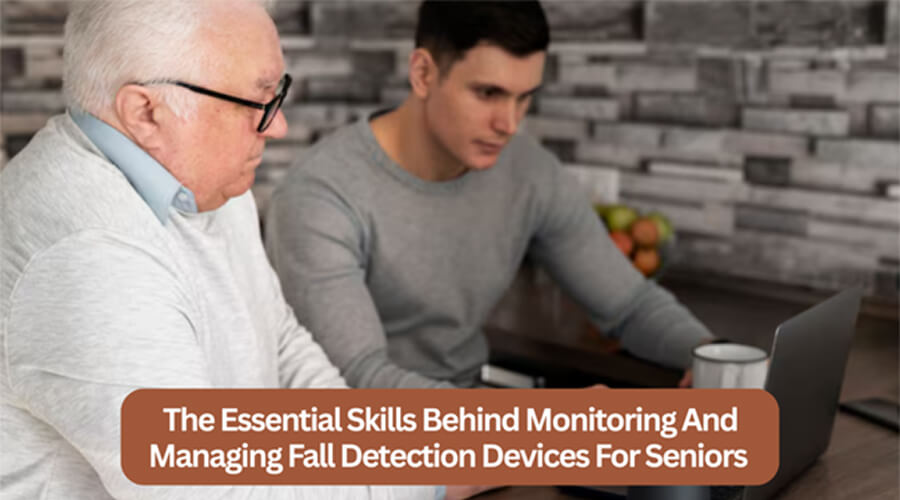
The Essential Skills Behind Monitoring and
Managing Fall Detection Devices for Seniors
See also: Effective Listening Tips
Unfortunately, falls are among the most feared dangers in older adults. They may cause severe injuries, hospitalization, or even loss of functionality at times. Fall detection devices are now increasingly sophisticated in monitoring movement and sending automatic alerts, but possession is not sufficient.
Even the most innovative devices perform better when they are combined with human soft skills, such as empathy, patience, and the ability to communicate clearly. These skills help seniors trust the device, help caregivers respond thoughtfully, and make the whole system more reliable.
In this article, we explore the key soft skills that make monitoring and managing fall detection devices effective, practical and, yes, a little more human.
Understanding Modern Fall Detection Devices for the Elderly
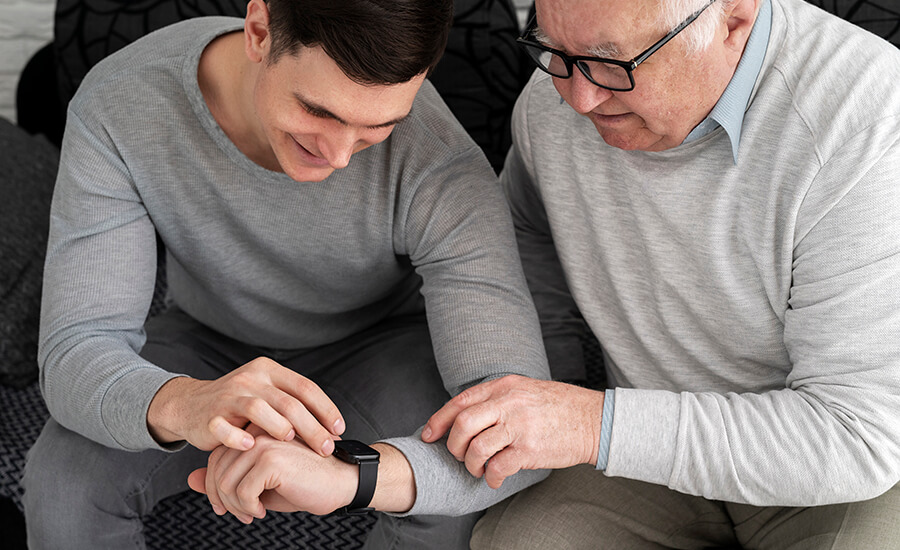
Fall detection devices can look like anything from a sleek wristband to a little pendant, or even sensors tucked around a smart home. Fall detection devices for elderly use sensors, GPS tracking, two-way voice communication, a water-resistant design, and 24/7 professional monitoring to alert emergency contacts quickly, whether seniors are at home or on the go.
However, no device is perfect, and false alarms happen. Sometimes someone just sits down too quickly and triggers a warning. This is where the human touch comes in.
Family members, caregivers, and monitoring teams all play a bigger role than most people realize. Being alert, empathetic, and capable of communicating in a transparent manner can make even the best technology work a lot better.
The Human Element: Why Soft Skills Matter
You may get the latest device, but when seniors feel nervous or uncomfortable, they may not even put it on. That is the reason why soft skills matter so much: they transform raw data into actionable safety measures.
When a caregiver listens actively, speaks in a calm tone, and reacts calmly, the elderly are more likely to use the device regularly. And when seniors trust the people around them, they feel safe, not monitored or scrutinized. Research also shows that seniors’ acceptance of fall detection technology depends heavily on trust, understanding, and perceived usefulness.
Essential Soft Skills for Monitoring and Managing Fall Detection Devices
-
Empathy & Compassion
In truth, wearing a device all the time can make an elderly person feel a bit awkward. They might worry that it is intrusive or that others are watching them. Fortunately, empathetic caregivers are able to alleviate this discomfort.
When an alarm is raised, reacting with empathy instead of anger will not only console the senior but also build confidence in both the device and the caregiver. It is incredible how much difference a calm, compassionate response can make.
-
Clear & Respectful Communication
The tricky part is sometimes not the fall itself but explaining what has happened. Using simple, easy-to-understand words to describe how the device works can really help. In cases of emergencies, speaking calmly prevents the elderly or their family from getting worried or upset.
It is also important not to alarm everyone, but instead to keep them informed. Honest updates make people feel included, not scared. Communication is not simply speaking but making people feel safe and informed.
-
Attention to Detail
Attention to detail might sound boring, but it is essential. A high percentage of unwarranted alerts can be avoided by the caregiver who checks that devices are charged, properly worn, and functioning correctly.
It is also about identifying patterns. A senior may move more slowly in the morning or trigger more alerts at certain times of the day. Noticing these minor changes can help professionals step in before a bigger problem arises.
-
Problem-Solving & Critical Thinking
Tech is not always perfect, so false alarms or glitches will happen. That is when problem-solving skills and a little creative thinking come in. Adjusting the settings in devices, changing positioning, or identifying patterns in false signals are all part of maintaining a smooth-running process.
Sometimes, you must make a quick judgment call when data seems ambiguous. This is when critical thinking is vital in deciding whether a senior needs help or if it is a harmless trigger.
-
Patience & Active Listening
There are seniors who resist the use of the devices, usually due to feelings of inability when wearing them. Patience is key here. Take the time to listen to their worries.
Understanding what makes them uncomfortable lets caregivers find practical solutions or maybe a different style of wearable or gentle reminders. It also increases the likelihood that the device is used consistently, which is the ultimate goal.
-
Emotional Intelligence
The elderly might feel threatened by the possibility of losing independence or feel uncomfortable acknowledging that they require extra support. Emotional intelligence helps caregivers recognize these feelings, read between the lines, and respond in ways that maintain dignity.
This is not just about operating a device; it is about understanding people, their emotions, and how those feelings interact with technology.
-
Calm Decision-Making During Emergencies
A calm caregiver can make all the difference when an alert goes off. Rushing or panicking can make the situation worse, but measured decisions help seniors feel secure and get them the help they need quickly.
Coordinating with family, emergency contacts, or medical services is easier when someone stays calm and methodical. It is like turning chaos into order, just enough to make everyone breathe a little easier.
Soft Skills in Family and Caregiver Coordination
Fall detection devices and systems often involve several people: the elderly person, their family members, healthcare providers, and maybe even home monitoring services. It can be difficult to strike a balance between all opinions.
Soft skills like cooperation, honesty, and even a touch of diplomacy come in handy. If everyone feels heard, there is less stress, fewer arguments, and better decisions. This is how the team of responders can maintain their focus on senior safety, which is the priority.
Soft Skills in Training & Onboarding Seniors
Some seniors may be overwhelmed by the introduction of a new device. Nobody likes being told what to do, especially when it involves technology. Soft skills help caregivers guide them without pressure.
Step-by-step explanations, reassurance, and patience make seniors more likely to embrace the device. The development of trust is hidden and effective.
Technology + Soft Skills = Better Senior Safety
Technology in gadgets includes GPS, 24/7 professional monitoring, and automatic alerts. However, when a fall alarm goes off, the caregiver checks the alert, provides any care needed, calms family members, and organizes emergency assistance. Without empathy, patience, and clear thinking, even the best tech cannot prevent panic.
And this is where soft skills make a difference. Empathy, patience, and clear thinking fill the gaps technology cannot cover, turning alerts into effective action, stress into reassurance, and data into real-world safety.

Further Reading from Skills You Need
Understanding and Developing Emotional Intelligence
Learn more about emotional intelligence and how to effectively manage personal relationships at home, at work and socially.
Our eBooks are ideal for anyone who wants to learn about or develop their interpersonal skills and are full of easy-to-follow, practical information.
Conclusion
Fall-detecting equipment can be very helpful; however, it is individuals who can make it effective. Empathy, clear communication, patience, attention to detail, emotional intelligence, and calm decision-making turn alerts into meaningful interventions.
Technology can help safeguard the elderly at the end of the day. However, it is the human touch that keeps seniors safe, respected, and comfortable, making ageing a little safer and a lot more dignified.
About the Author
Tammy Taylor is a digital marketing and media relations specialist with expertise in SEO, content strategy, and press release outreach. He helps brands grow their online presence and secure impactful media coverage.