

Why Active Listening Is Harder
Than Speaking, and How to Practise It
See also: Active Listening
In the realm of professional communication, speaking often takes the spotlight. From an early age, we are trained to articulate our thoughts clearly and persuasively, whether in meetings, presentations, or casual conversations.
However, active listening, truly hearing and understanding the speaker, is a skill that many find significantly more challenging. While speaking lets us control the narrative, active listening demands patience, focus, and often the restraint to withhold immediate judgment or response.
Active listening requires more than just hearing words; it involves interpreting tone, recognizing non-verbal cues, and empathizing with the speaker’s perspective. This complexity is why many professionals struggle with it despite its importance. A study by the International Listening Association found that most people retain only about 25% to 50% of what they hear immediately after listening, underscoring the difficulty of effective listening in practice.
Moreover, in high-pressure business environments, distractions abound, from urgent emails to multitasking demands, making focused listening even harder. Yet, mastering active listening is crucial for building trust, resolving conflicts, and driving collaboration within teams.
Active listening is not just a passive act but an active mental process that engages multiple cognitive functions simultaneously. It requires us to decode verbal content while also reading between the lines to understand underlying emotions or intentions. This dual demand can be mentally exhausting, especially in fast-paced settings where conversations are frequent and time is limited. The mental fatigue associated with this intense focus often leads people to default to speaking rather than truly listening.

Why Speaking Feels Easier Than Listening
Speaking is often perceived as more natural because it is an active process where we control the flow. We prepare our thoughts, choose our words, and decide the pace. Speaking allows for instant feedback and correction, whereas listening is passive, requiring us to absorb and process information without interruption.
Another reason speaking feels easier is the immediate gratification it provides. Expressing ideas and receiving responses can boost confidence and affirm our role in a conversation. In contrast, active listening demands humility, patience, and sometimes vulnerability, as it involves acknowledging others’ viewpoints, even when they differ from our own.
In professional settings, speaking is often rewarded, through recognition or leadership opportunities, while listening is less visible, making it undervalued despite its impact. Interestingly, research shows that effective listening can increase workplace productivity by up to 25%, highlighting its underrated power.
Furthermore, many people overestimate their listening skills. A survey conducted by the University of Missouri revealed that 70% of adults believe they listen well, but only 7% actually possess strong listening skills based on objective assessments. This discrepancy suggests that the challenge of active listening is partly due to a lack of awareness about what true listening entails.
The Role of Technology and IT Services in Enhancing Communication
In today’s digital age, technology can either hinder or help active listening. On one hand, constant notifications, multitasking, and virtual meetings can fragment attention and reduce the quality of listening. On the other hand, strategic use of technology can support better listening habits and clearer communication.
For example, businesses partnering with the official website of Compeint often benefit from IT solutions that streamline communication platforms, reducing distractions and enhancing collaboration. Managed IT services can implement tools that prioritize essential notifications and support high-quality video conferencing, which preserves non-verbal cues crucial for active listening.
Similarly, engaging a trusted MSP like Lumintus can provide tailored IT infrastructure that fosters seamless team interactions. With reliable technology, organizations can create environments where employees are less overwhelmed by technical issues and more focused on meaningful conversations.
Moreover, some advanced IT services integrate AI-driven transcription and summarization tools that help listeners review key points after meetings, reinforcing comprehension and retention. These technological aids can bridge the gap between hearing and truly understanding, making active listening more achievable in busy work environments.
Practical Steps to Practise Active Listening
Improving active listening is a deliberate process that requires consistent effort and reflection. Here are some practical strategies to develop this vital skill:
-
Eliminate Distractions
Create a conducive environment by minimizing interruptions. This might mean closing unrelated tabs on your computer, silencing your phone, or finding a quiet space for important conversations. According to a study by the University of California, it takes an average of 23 minutes and 15 seconds to refocus after a distraction.
Limiting multitasking during conversations is also essential. Trying to listen while composing emails or checking messages can severely impair comprehension and retention. Setting clear boundaries around communication times can help preserve mental focus.
-
Focus on the Speaker
Give full attention to the person speaking. Maintain eye contact, nod occasionally, and use facial expressions that show engagement. Avoid planning your response while the other person is talking; instead, concentrate on understanding their message fully.
Active listening also involves being mindful of the speaker’s body language and tone. These non-verbal signals often convey emotions or emphasis that words alone may not express. By tuning into these cues, listeners can gain deeper insight into the speaker’s intent.
-
Reflect and Clarify
Paraphrase what you’ve heard to confirm your understanding. For example, say, “What I’m hearing is…” or “So you’re saying that…” This not only demonstrates active listening but also reduces misunderstandings.
Reflecting back on what was said encourages the speaker to elaborate or clarify, fostering a two-way dialogue rather than a one-sided exchange. This approach builds rapport and trust, showing that you value the speaker’s perspective.
-
Ask Open-Ended Questions
Encourage elaboration by asking questions that require more than a yes/no answer. This shows genuine interest and invites the speaker to share more details or perspectives.
For instance, instead of asking “Did you like the project outcome?” consider “What were your thoughts on the project outcome?” Such questions open the door to richer, more meaningful conversations.
-
Manage Emotional Responses
Listening can trigger emotions, especially during challenging conversations. Recognize your feelings but avoid reacting impulsively. Taking a moment to breathe and process can help maintain objectivity and empathy.
Practising mindfulness techniques can support emotional regulation. Being aware of your internal reactions allows you to respond thoughtfully rather than defensively.
-
Practice Regularly
Like any skill, active listening improves with practice. Engage in exercises such as listening to podcasts or talks and summarizing key points. In team settings, dedicate part of meetings to focused listening sessions.
Role-playing exercises can also be effective. Practising listening in simulated conversations helps build confidence and highlights areas for improvement.
The Business Benefits of Active Listening
Organizations that foster active listening reap numerous rewards. Teams communicate more effectively, conflicts are resolved faster, and innovation flourishes through better understanding of diverse ideas. Leaders who listen actively build stronger rapport and trust with employees, leading to higher engagement and retention.
A Gallup poll found that managers who listen well have teams that are 39% more productive and 44% more engaged. These figures highlight the tangible impact active listening can have on business outcomes.
Additionally, companies with strong communication cultures report 47% higher returns to shareholders compared to those with poor communication practices. This data underscores the strategic advantage of investing in listening skills at all organizational levels.
Active listening also plays a critical role in customer relations. When employees listen attentively to clients’ needs and concerns, customer satisfaction and loyalty improve significantly. According to research by Salesforce, 70% of customers say connected processes, including effective communication, are very important to winning their business.
Further Reading from Skills You Need
The Skills You Need Guide to Interpersonal Skills eBooks.
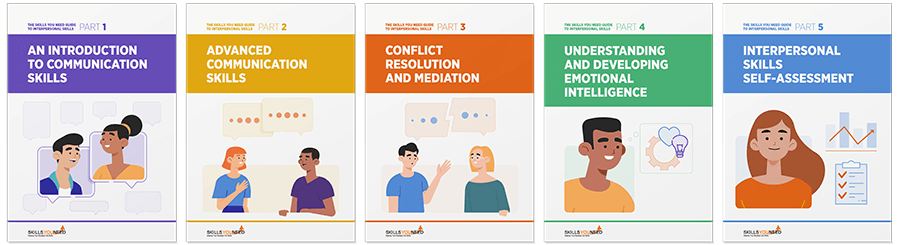
Develop your interpersonal skills with our series of eBooks. Learn about and improve your communication skills, tackle conflict resolution, mediate in difficult situations, and develop your emotional intelligence.
Conclusion
Active listening is undeniably harder than speaking, but its value in the professional world cannot be overstated. By understanding why it is challenging and adopting practical techniques, individuals and organizations can enhance communication, foster collaboration, and drive success. Leveraging technology through managed IT services can further support these efforts by creating environments where focused listening is possible and encouraged.
Investing time and effort into practising active listening is an investment in better relationships and stronger business performance. With patience and persistence, anyone can become a more effective listener and transform the way they connect with others.
By embracing active listening as a core communication skill, professionals can unlock deeper understanding, resolve conflicts more efficiently, and cultivate a workplace culture where every voice is truly heard. This shift not only benefits individual careers but also propels organizations toward greater innovation and resilience in an increasingly complex world.
About the Author
Jeff King is a seasoned writer and industry professional with a passion for simplifying complex business and technology topics. He brings years of experience in digital transformation, marketing, and innovation to help readers stay ahead of trends. When not writing, Jeff enjoys exploring new ideas that connect strategy, growth, and customer success.