

Developing Better Decision-Making Skills
When Choosing Home Systems
See also: Six Thinking Hats
Making good decisions about your home does more than save money. It builds confidence, sharpens your thinking, and gives you a repeatable process you can use in almost every area of life.
Home systems like heating and cooling are perfect examples because they involve real trade-offs, long-term planning, and a mix of emotional and practical factors. When you learn how to analyze them clearly, you strengthen soft skills that help far beyond home improvement.

Understanding What You Actually Need
Most people jump straight to comparing products before stepping back to define their real needs. Strong decision-making starts with clarity. That clarity comes from identifying the core problem and separating must haves from nice to haves.
Start With the Problem You Are Trying to Solve
Home upgrades sometimes begin with vague discomfort. Maybe some rooms always feel warm. Maybe utility bills keep rising. Instead of immediately searching for solutions, pause and describe the issue in simple, specific terms. This reduces the chance of choosing something that fixes the symptom but not the cause.
Picture the Daily Experience You Want
It helps to think in terms of experience rather than equipment. Ask yourself how you want your home to feel during different seasons. This is where soft skills like emotional awareness and perspective taking come in. When you imagine the lived experience first, it becomes easier to judge whether the options in front of you can deliver it.
Consider Long-Term Needs
Good decision-makers consider how their needs might change. A system that seems perfect now may become limiting if your family grows, your work situation changes, or you spend more time at home. Thinking this way builds foresight, a soft skill that carries over into work, relationships, and financial planning.
Comparing Options With a Structured Approach
Once your needs are clear, the next step is comparing alternatives in a structured way. Many people skip this step because it feels slow, but it is actually the fastest way to avoid expensive mistakes.
Look at Research From Multiple Sources
You can build stronger analytical skills by reviewing insights from different places. When you see trends across sources, it becomes easier to separate helpful patterns from hype.
For example, smart home integration shows up in many industry reports. Connected home systems form a $127.8 billion market in the US and are highlighted as a major innovation shaping how people manage comfort and energy use. When insights repeat across unrelated organizations, it gives your decision a stronger foundation.
Long-term industry shifts such as decarbonization and predictive maintenance are also relevant right now. These kinds of trends help you understand which systems are likely to stay relevant.
Weigh Trade Offs Instead of Counting Features
A common mistake is comparing products by the number of features rather than by how those features align with your priorities. Better decision-makers focus on alignment. Rather than thinking this option has more settings, consider that it supports the experience I want with less complexity.
Here is a simple way to evaluate trade offs:
Ask which option best matches your must have needs
Ask whether the benefits of each option last beyond the first year
Ask what each choice demands from you in time, learning, or maintenance
This method strengthens critical thinking because you judge each option by the same principles rather than emotions or marketing impressions.
Keep the Long-View in Mind
Thinking long-term is a soft skill that improves every part of life. Choosing home systems gives you a chance to practice. A system that costs more up front may save money and frustration in later years. A budget choice might work immediately but lead to uneven comfort or higher monthly bills. As you compare, keep asking what future you would think about the choice.
Flexibility might also be an important consideration in this context. For instance, tools that support long-term comfort planning, such as a multi-zone mini split system to allow for discrete temperature control in different rooms, are a good choice for growing families and multigenerational households. Using long-term thinking to consider this, rather than settling for something simpler that is only suitable in the short term, will stand you in good stead.
Using Home Cooling Choices as a Real-World Learning Example
Cooling multiple rooms is a practical way to practice stronger decision-making. It brings together all the skills mentioned earlier: clarifying needs, weighing trade offs, comparing research, and thinking long-term.
Identifying Needs Room By Room
Most of the world’s 2.3 billion homes have rooms that behave differently. One might get strong afternoon sun. Another might have poor insulation. Another might be used only at night. You can sharpen your observation skills by taking notes on how each space feels during hot days, cool nights, and transitional months. This builds awareness and reduces guesswork.
Understanding Your Options Without Rushing
The choices for multi room cooling range from central systems to window units to ductless setups. Instead of assuming one is better, treat each option as a case study. Ask how well each one matches your ideal daily experience. This helps you strengthen soft skills like patience, strategic thinking, and the ability to separate information from assumptions.
Digital zoning and smarter controls are becoming normal in home systems. When you understand these trends, it becomes easier to see why some solutions offer more flexibility than others.
Practicing Long-Term Thinking
Cooling systems are a perfect example of how short term thinking can lead to long-term frustration. A small unit might be cheaper but can leave half the home uncomfortable. Oversized systems waste electricity. A flexible system with independent room control might be more balanced. The important part is not which option you choose but how you evaluate it. When you consider energy use, comfort, maintenance, and future needs all at once, you are practicing strategic decision-making.
Building Better Decision-Making Through Everyday Choices
You can treat every home improvement decision as a soft skill workout. The goal is not perfection but practice. When you go through this process often, the skills become habits. You learn to pause before reacting, compare options with structure, ask deeper questions, and understand long-term consequences more clearly.
These skills translate beautifully to work, travel planning, personal relationships, and even daily routines. The home becomes a training ground for better judgment.
Further Reading from Skills You Need
The Skills You Need Guide to Interpersonal Skills eBooks.
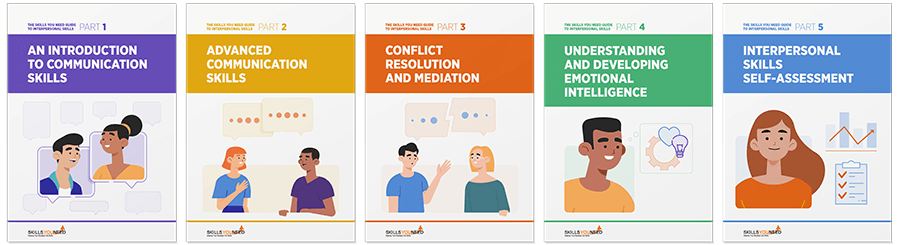
Develop your interpersonal skills with our series of eBooks. Learn about and improve your communication skills, tackle conflict resolution, mediate in difficult situations, and develop your emotional intelligence.
Final Thoughts
Developing better decision making is easier when you work with concrete, real-world examples. Home systems provide some of the best practice because the decisions involve comfort, money, and long-term impact. By using a clear process, staying curious, reviewing reliable research, and thinking ahead, you build soft skills that help in every part of life.
About the Author
Alex Jordan writes about practical skill building, using everyday decisions to strengthen critical thinking and long-term planning. Alex focuses on content that helps readers grow confidence in their daily choices.