


Why Ministry Leadership Requires Lifelong Learning
See also: Lifelong LearningMany ministry leaders step into leadership because they feel called, not because they have years of training. Then real life hits. You are expected to lead people, solve problems, teach clearly, respond to crises, and still keep your own faith strong. And it does not slow down when you get more experience. In fact, the responsibility often grows. At the same time, leadership skills are becoming more important in every field.
Research consistently shows that leadership and people-management skills rank among the most important across many occupations with strong job growth. Ministry may look different from corporate work, but people still need wise direction, clear communication, and steady leadership. Lifelong learning is not a bonus for ministry leaders. It is one of the best ways to stay grounded, effective, and ready for what comes next.

The ministry never stops changing
The ministry today looks different to even five years ago. People communicate faster, expect quick answers, and have less patience for confusion or disorganization. Many churches now balance in-person gatherings with online connections, which changes how leaders plan, teach, and follow up.
People also bring new questions to church that older leaders may not have faced early in their ministry. Topics like mental health, trust issues, church hurt, and family breakdown come up more often in everyday conversations. If leaders rely only on what worked in the past, they can get stuck. This is one reason some leaders choose structured growth through online programs, such as a Master of Arts in Ministry Leadership, to stay sharp and lead well in changing times. Lifelong learning helps ministry leaders adjust without losing their message. It gives you new tools to lead with clarity and respond to real needs.
People issues require real skills
Most ministry challenges involve people more than plans. You can have a great service schedule, strong volunteers, and good ideas, but one unresolved tension can drain the energy from everything. People’s disagreements often start small, like unclear expectations or miscommunication. Then they grow into bigger problems like gossip, division, or resentment. Ministry leaders do not just manage tasks. They guide hearts, relationships, and team culture. That takes more than good intentions. It takes skill.
Lifelong learning helps you lead conversations with calm, clarity, and respect. It helps you listen better and respond without rushing to fix everything. As you learn, you start noticing patterns in people’s behavior and your own reactions. That awareness helps you lead with more wisdom and fewer regrets.
Volunteers need training not pressure
Many ministry leaders feel frustrated when volunteers do not follow through. But most of the time, volunteers are not lazy or careless. They are unsure. They may not understand the goal, the steps, or what “good work” looks like in that role. Some feel nervous because they do not want to fail in front of others. Others simply have busy lives and need a clear plan, not a vague request. When leaders do not train volunteers well, they often try to make up for it by pushing harder. That usually leads to burnout and turnover. Lifelong learning helps leaders build better systems. You learn how to explain expectations, create simple training routines, and check progress without sounding controlling. When volunteers feel supported, they stay longer and serve with confidence.
Blind spots slow down your growth
Every leader has blind spots, even the humble ones. You might think you communicate clearly, but your team still feels confused. You might believe you are approachable, but people avoid hard conversations with you. Blind spots do not mean you are failing. They just mean you are human. The problem is that blind spots can shape a whole ministry if they go unchecked. Lifelong learning helps you spot them before they cause greater damage. It teaches you how to ask better questions, receive feedback without getting defensive, and reflect on what is really happening in your leadership. Over time, you start catching your patterns earlier. You notice when you avoid conflict, when you take too much on, or when you lead from stress instead of peace. That self-awareness leads to healthier decisions and stronger leadership.
Teaching is part of the job
Even if you do not see yourself as a “teacher,” ministry leadership includes teaching all the time. You teach when you explain Scripture, lead a small group, train volunteers, counsel someone through a hard season, or guide a new believer. The challenge is that good teaching takes skill, not just knowledge. People need clear structure, simple language, and practical next steps. They also learn better when they can ask questions and feel safe being honest.
Lifelong learning helps leaders improve how they communicate. You learn how to organize your thoughts, stay on topic, and explain ideas in a way people can actually remember. Over time, your teaching becomes more helpful, not more complicated. That helps your ministry grow deeper, not just wider.
Strong leaders build strong systems
Lifelong learning does not just improve you. It improves the whole ministry around you. When leaders keep growing, they stop depending on last-minute fixes and start building systems that help people thrive. Systems do not have to feel cold or overly formal. They can be simple things like a volunteer onboarding plan, clear communication routines, leadership development steps, and a consistent follow-up process for new people. These systems protect the ministry when life gets busy or staff changes happen. They also help your team stay aligned, because everyone knows what matters and what comes next. Lifelong learning teaches leaders how to think long-term instead of always reacting. It helps you create ministries that are healthy, stable, and ready to serve people well for years, not just for one season.
Further Reading from Skills You Need
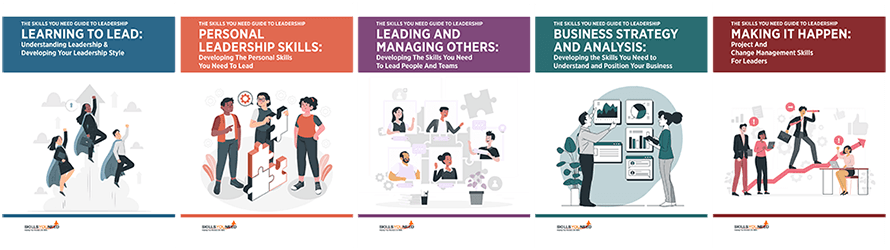
The Skills You Need Guide to Leadership eBooks
Learn more about the skills you need to be an effective leader.
Our eBooks are ideal for new and experienced leaders and are full of easy-to-follow practical information to help you to develop your leadership skills.
Final thoughts
Ministry leadership requires lifelong learning because people change, culture shifts, and ministry challenges do not stay the same. Leaders face real pressure, real conflict, and real expectations. The best way to stay ready is to keep growing. Lifelong learning helps you communicate more clearly, lead teams with wisdom, train volunteers effectively, and handle conflict without panic. It also strengthens self-leadership, which protects your peace and supports your long-term health. You do not need a perfect plan or endless free time to grow. You just need a consistent rhythm. Pick one skill to work on. Ask for feedback from someone you trust. Learn with purpose, not pressure. When ministry leaders keep learning, they lead with more confidence and fewer regrets. And the people they serve feel the difference.