


Essential Study Skills for
Secondary School Exams and Tests
See also: Revision Skills
Secondary school exams bring real, highly consequential challenges for many students. GCSEs in the UK, and equivalent major exams across the world, often mean handling several distinct subjects at once while deciphering complex, high-volume material. Developing strong study skills is not just a helpful bonus—it equips students with the exact cognitive toolkit they need to perform well under intense testing conditions.
Building these specific skills directly supports better exam results. When students learn to manage their workload effectively, it naturally leads to greater academic confidence, sharply reduced anxiety, and increased independence as they progress toward higher education.
Learning how to revise efficiently produces significantly better exam outcomes because it actively helps information transition from short-term working memory to long-term storage. When students set fixed revision slots and utilize targeted methods—such as self-testing and spaced repetition rather than panicked, last-minute cramming—they recall complex material much more easily under the pressure of the exam hall.

Effective Time Management for Exam Success
Managing time efficiently plays a central role in overall exam performance. Building a clear, visual revision plan with dedicated slots for each subject helps students divide an intimidating workload into manageable, bite-sized sections. Instead of feeling overwhelmed by the sheer scale of the curriculum, breaking down tasks allows students to tackle their revision systematically, one deliberate step at a time.
For example, creating a week-by-week schedule that details exactly which micro-topics to review—alongside soft deadlines for each—gives students a powerful sense of control and forward momentum. Because it is incredibly easy to underestimate how long thorough revision will take, preemptively allocating extra buffer time for notoriously difficult subjects can prevent a stressful rush in the final days before the actual exam.
Structured study routines, such as the Pomodoro Technique, are highly effective for maintaining deep focus during long revision sessions. This method requires students to work intensely for 25 minutes and then take a mandatory 5-minute break. These timed intervals keep distractions in check while making long, daunting periods of revision feel much more achievable.
Skipping breaks or overextending a single study session is a common, counterproductive mistake. When this happens, cognitive concentration drops sharply, and new information becomes much harder to retain. Consistently returning to the desk refreshed supports better memory consolidation and preserves mental stamina across weeks of study.
Balancing Rigorous Study with Self-Care
Regular breaks actually help the brain process, sort, and store information. Taking short walks away from screens, engaging in creative hobbies, or simply meeting with friends between study blocks gives the mind a critical chance to recharge. These non-academic activities support better memory encoding and keep energy levels stable.
Mindfulness practices, such as slow, intentional breathing or brief guided meditations, can help students aggressively manage stress and maintain their focus. Many forward-thinking schools now actively encourage students to pause before opening their books to take a minute to breathe slowly and mentally transition into a state of focus.
Healthy routines establish the biological foundation for effective learning. Prioritizing 8 to 9 hours of sleep each night and eating balanced meals rich in whole grains and proteins can drastically improve concentration and prevent the dreaded mid-afternoon energy crash.
Active Learning Strategies That Improve Retention
Passive reading is undoubtedly one of the least effective ways to revise. Simply highlighting textbook pages or re-reading old notes without mental engagement leads to exceptionally poor recall during exams. Using "active recall" techniques—where students force their brain to retrieve information from scratch—creates much stronger neural memory connections.
Spaced repetition is a scientifically proven method that involves reviewing information at strategically increasing intervals over time, rather than in a single, exhausting session. For instance, a student preparing for a comprehensive History exam might review key dates and treaties twice weekly, reinforcing the knowledge right as the brain is about to forget it.
Digital flashcard apps apply this exact technique by utilizing algorithms to automatically schedule cards at optimal intervals. A student can use these platforms to review complex science terminology, with the app dynamically adjusting the frequency based on how confidently the student answers.
Digital Learning Tools for Different Learning Styles
Every student processes information differently, and leveraging the right digital tools can transform a frustrating study session into a highly productive one.
Auditory learners often benefit from educational podcasts and recorded explanations of key curriculum concepts. Many students find that actively listening to historical timelines or scientific processes while walking or doing household chores helps them absorb material through a completely different cognitive pathway.
Visual learners should utilize video tutorials and animated concept explanations from reputable educational publishers. These dynamic resources frequently cover a wide array of GCSE subjects, providing engaging, step-by-step demonstrations and graphical data breakdowns that make highly abstract material accessible and memorable.
Hands-on, kinesthetic learners perform best with interactive quizzes and digital simulations. These interactive tools force students to apply their theoretical knowledge immediately and receive instant, corrective feedback—an incredibly effective way to master subjects like Physics or Geography.
Note-Taking Methods That Improve Understanding
The Cornell Method divides standard notes into three distinct parts: a narrow left column for prompting questions, a wide right column for the main curriculum notes, and a concise summary section at the bottom. This structured layout does far more than just neatly organise information; it inherently encourages active thinking and self-quizzing every single time the material is reviewed.
Mind mapping works exceptionally well for visual learners who naturally think in complex connections rather than linear, bulleted points. Starting with a central concept and branching outward, students create a highly visual network of related sub-topics. This method vividly illustrates how different components of a syllabus are interlinked.
Building Resilience for Exam Pressure
Exam anxiety affects a vast majority of students and can seriously hinder academic performance if left unchecked. Learning to notice the early physical signs of anxiety—such as a racing heart, shallow breathing, or an upset stomach—is the very first step in managing it. Simple, controlled breathing exercises can effectively down-regulate the nervous system both before and during a difficult exam.
Having reliable methods to manage stress makes a highly noticeable difference during peak exam season. Regular cardiovascular exercise, strict sleep hygiene, and active relaxation techniques significantly lower resting cortisol levels. Even five minutes of deep stretching away from the desk can reset the mind and sharpen focus.
Developing Emotional Intelligence During Exam Season
Identifying specific emotional triggers helps students maintain their momentum during revision. If certain modules consistently cause intense frustration, students can proactively create specific, low-pressure approaches for these challenging areas, such as seeking tutoring or tackling them only when their energy is highest.
Good communication skills empower students to ask for help clearly and without embarrassment. Being able to explain exactly where their logical understanding breaks down allows teachers, parents, and peers to offer highly targeted support. This saves immense amounts of time and drastically reduces academic frustration.
The 48-Hour Exam Readiness Checklist
Preparing for the actual exam day requires careful, deliberate logistical planning to minimize morning-of stress. Follow this checklist to ensure peak performance:
Confirm Logistics: Double-check your exact exam location, seat number, and start time at least 48 hours in advance.
Prepare Equipment: Gather all necessary materials (clear pencil case, approved calculators, spare pens, ID) and pack your bag the night before.
Light Review Only: Review your summary sheets or mind maps the evening prior, but strictly avoid attempting to learn entirely new material.
Digital Curfew: Limit screen time and caffeine intake after 6 PM to guarantee a restorative, deep sleep.
Fuel Up: Eat a balanced, protein-rich breakfast on exam day to sustain blood sugar levels throughout the test.
Arrive Calmly: Arrive at the venue early to settle your nerves, avoiding classmates who are loudly panicking or cramming outside the hall.
Further Reading from Skills You Need
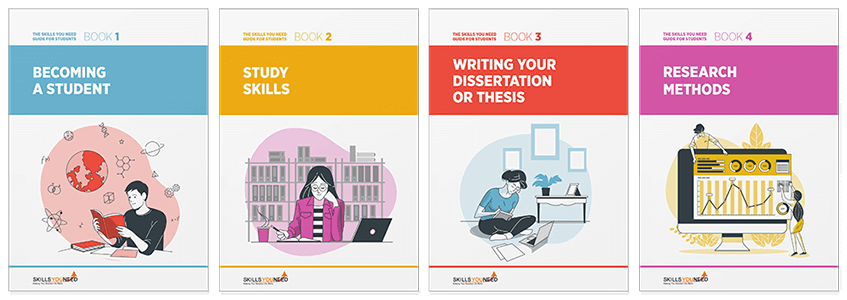
The Skills You Need Guide for Students

Develop the skills you need to make the most of your time as a student.
Our eBooks are ideal for students at all stages of education, school, college and university. They are full of easy-to-follow practical information that will help you to learn more effectively and get better grades.
Conclusion
By consciously developing strong, evidence-based study skills, students can navigate the intense challenges of secondary school exams with remarkable confidence and efficiency. Mastering time management, employing active learning techniques, and protecting self-care routines are absolute keys to reducing burnout and boosting academic performance.
With the right strategic frameworks in place, students can transform chaotic exam preparation into a highly organized, manageable process that reliably leads to lasting academic success.
About the Author
Jessica Thorne is an Academic Coach and Educational Consultant specializing in adolescent learning strategies. With over a decade of experience helping secondary students overcome test anxiety and perfect their revision techniques, Jessica writes practical, evidence-based guides designed to make academic success accessible and sustainable for all learning styles.