


The Best Resources for
Personal Development and Learning
See also: Personal Development Planning
Personal growth and professional development require far more than just sheer willpower and motivation. To make tangible progress, you need high-quality, curated resources that align perfectly with your specific objectives.
While modern digital platforms have made accessing information easier than ever before, the sheer volume of choices can quickly lead to decision fatigue. Identifying the right tools early on can dramatically accelerate your progress and prevent wasted effort in both your career and personal life.
This comprehensive guide examines proven, highly effective resources that can help you build sustainable habits and grow steadily across all areas of your life.

Professional Certification and Continuing Education
Many licensed professionals are legally or organizationally required to complete ongoing education to keep their credentials active and relevant. Healthcare workers, specialized teachers, financial experts, and certified tech professionals all face these rigorous requirements.
For example, behavior analysts need specific, approved units to keep their board certification valid. Specialized platforms like Behavior Analyst CE offer interactive webinars on critical ethics and supervision topics. This digital, on-demand format fits busy clinical schedules perfectly, ensuring that professionals can meet their regulatory requirements without disrupting their daily client work.
However, high-quality continuing education does much more than simply check compliance boxes. It introduces you to cutting-edge research, evolving industry standards, and improved practical methodologies. Furthermore, live discussion formats allow you to network with peers facing similar challenges. Many professionals find that deeply structured, accredited courses help them implement new knowledge much faster than fragmented, solo studying.
You must pick providers carefully for your specific field. Always verify that programs are accepted by your relevant licensing board before spending any money. Whenever possible, choose interactive, cohort-based options over passive video lectures, and read reviews from verified professionals before committing your time.
Online Learning Platforms and Digital Courses
Digital platforms bring world-class experts and university-level instruction directly to your screen. Sites like Coursera, edX, and MasterClass collaborate with top-tier universities and industry leaders to offer rigorous curriculums. Many of these platforms even allow you to audit the material for free if you do not require the official certification.
These platforms are incredibly effective for building specific, hard skills because they centralize videos, complex readings, and peer-reviewed assignments into one unified dashboard. Technical subjects like data analysis or coding fit this digital format perfectly, but soft skills like public speaking, conflict resolution, and business leadership translate remarkably well too.
Self-paced courses are a massive benefit for people juggling demanding careers or childcare, as you can pause and resume whenever necessary. However, it is worth noting that courses with strict, cohort-based deadlines usually boast significantly higher completion rates; the external structure naturally pushes learners through the difficult, unmotivating middle phases of a course.
Extensive research from authorities like the U.S. Department of Education heavily supports blended learning methods, finding that mixing online theoretical study with immediate, real-world practice works substantially better than either method in isolation. Try to implement your newly acquired skills right away in your actual workplace, as this immediate application cements new concepts in your long-term memory.
Books, Audio, and Research-Based Resources
Despite the explosion of interactive tech, deep reading remains one of the most effective ways to learn. Books force you to slow down and focus deeply without the constant distraction of digital notifications. Physical books, in particular, improve spatial memory and concentration during long study sessions.
When selecting reading material, prioritize books backed by solid, peer-reviewed research over purely anecdotal memoirs. Authors with verifiable academic or industry credentials typically provide much safer guidance. Always check their citations to see if their claims hold up under scrutiny; university presses are generally a strong indicator of quality material.
Additionally, reading professional journals keeps you updated on field developments. Many professional associations provide their members with exclusive access to publications that highlight current debates and methodological shifts, allowing you to stay ahead of industry changes instead of constantly playing catch-up.
Do not overlook the value of audio learning. High-quality podcasts and audiobooks transform dead time—like daily commutes or household chores—into highly productive learning sessions. Furthermore, utilizing public libraries can save you thousands of dollars; most modern library systems offer digital borrowing through apps like Libby, granting you instant access to premium audiobooks and digital texts for free.
Building Skills Through Practice and Community
Reading theory and watching lectures will only take you so far. Real skills need practice combined with active, constructive feedback loops. This universal truth applies just as much to mastering software development as it does to improving your emotional intelligence.
Effective practice requires pushing yourself slightly past your current comfort zone. Studies in cognitive psychology demonstrate that tackling tasks just beyond your current capability dramatically accelerates your development compared to easy, mindless repetition. Break massive, intimidating skills into smaller, manageable micro-skills, and master each component sequentially.
Finding Your Learning Community
Learning in isolation is a recipe for eventual burnout. Other learners keep you heavily accountable and share highly specific, practical tips that textbooks often miss. Professional associations, curated online forums, and local industry meetups are invaluable resources that allow you to swap advice and maintain momentum during difficult learning plateaus.
Mentors also rapidly speed up your development by providing experienced, tailored insight. A good mentor can help you anticipate and avoid common career mistakes that you otherwise might not see coming. While many professional organizations facilitate formal mentorship programs, the best mentors often emerge organically from existing workplace relationships.
Tracking Your Progress
Memory is notoriously unreliable. You must document what you learn to stay motivated and objectively measure your growth. Keep detailed notes on your daily challenges and incremental wins. Regular, scheduled check-ins help you adjust your methods, and these records provide concrete proof of your expanded capabilities during annual job reviews.
Try tracking these specific items in your weekly learning journal:
The exact micro-skills you practiced and the cumulative hours spent executing them.
The specific roadblocks you encountered and the creative solutions you attempted.
Direct, actionable feedback received from mentors, managers, or peers.
The specific books, videos, or resources that provided the most clarity.
The areas that still require deliberate, focused improvement.
Choosing Resources That Match Your Goals
Your ideal learning resource depends entirely on what you actually need to achieve. Before purchasing any program, critically evaluate your available time, financial budget, and how you learn best. Some professionals absolutely require external deadline pressure and financial investment to finish a course, while others thrive in flexible, low-cost solo study environments.
Always test a resource's credibility before committing your money. Cross-reference reviews from several independent sources. Investigate the instructor's background and carefully review the course syllabus. Many premium platforms allow you to audit content for free or offer generous refund windows if the pedagogy does not match your expectations.
Finally, deliberately mix different types of resources to stay mentally engaged. Combine a rigorous digital course with supplemental audiobooks and hands-on, practical projects. Blend isolated solo work with vibrant group discussions. This multi-angled variety prevents intellectual burnout and reinforces complex ideas through different cognitive pathways.
Further Reading from Skills You Need
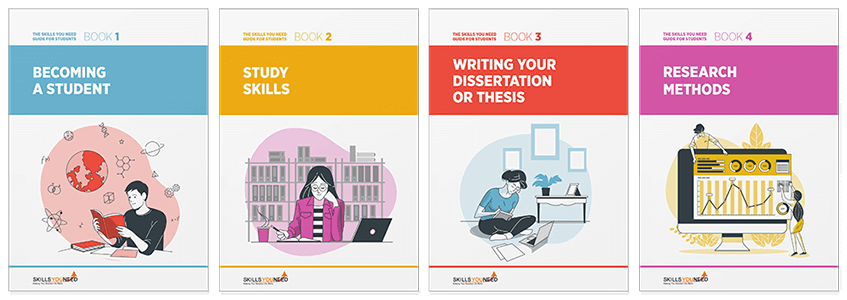
The Skills You Need Guide for Students

Develop the skills you need to make the most of your time as a student.
Our eBooks are ideal for students at all stages of education, school, college and university. They are full of easy-to-follow practical information that will help you to learn more effectively and get better grades.
Common Questions About Learning Resources
What is the best way to select a learning resource?
Identify your specific skill gap first. Do not buy a course simply because it is popular; buy it because it solves a current problem you are facing. Read independent reviews, utilize free trials whenever possible, and never commit financially until you have verified the instructor's credentials.
Do online courses work as well as in-person classes?
This depends entirely on your personal discipline and environmental constraints. Some individuals struggle to focus at home due to household distractions, while others perform terribly after an exhausting commute to a night class. The format matters far less than your willingness to consistently show up and do the work.
How much time should I spend on personal development weekly?
Commit to whatever volume you can realistically sustain over a year. Dedicating just one focused hour every single week is infinitely better than studying frantically for three weeks and then abandoning the project entirely due to burnout. Be ruthlessly honest with yourself about your available free time.
Are free resources as effective as paid ones?
They can be, but they require more self-discipline. Your local library contains world-class information for free, but paying for a structured course often triggers the "sunk cost" fallacy in a positive way—you are much more likely to complete a program because you invested your hard-earned money into it. Paid courses also save you the time of curating the curriculum yourself.
How do I objectively know if I am improving?
The best metric for growth is observation. Regularly review your progress by keeping a journal. Are previously difficult tasks taking less time? Are you experiencing less anxiety at work? Ask a trusted mentor for blunt, honest feedback. If the resource is truly effective, you will feel the operational difference in your daily life relatively quickly.

About the Author
Darlene Aberin is a Professional Development Consultant. With over a decade of experience designing corporate training programs and continuous education pathways, Darlene specializes in helping ambitious professionals identify their skill gaps and select the most effective, evidence-based resources to accelerate their career growth. She writes extensively on the psychology of adult learning, habit formation, and workplace resilience.