

How to Use Video Storytelling to Engage Your Audience
See also: Storytelling in BusinessIn this busy life, people don't stop for random content. They stop when they feel something real, something interesting, or something easy to understand.
Maybe it tells a story that shows a problem you relate to, or simply explains an idea in a way that actually makes sense. That's exactly what video storytelling does.
It's not about creating long or complicated videos. It's about sharing ideas in a way that people understand and remember. A thirty-second clip of someone walking through a genuine frustration they had with meal prepping, for instance, will almost always outperform a two-minute polished ad. The reason is simple: people trust what feels real.
Over time, I've noticed that even simple videos can perform really well if they feel genuine. You don't need a full production setup or expensive tools. What matters more is how you present your message and whether the person watching actually cares about what you're saying three seconds in.

Start With a Clear Idea
Before you even think about recording, take a step back and ask yourself one simple question: What do I want people to take away from this?
That answer becomes your direction.
It could be a lesson, a tip, or even a short experience. Instead of explaining something in a formal way, try sharing your own experience. Talk about what problem you had and how you solved it. For example, if you run a small bakery, don't make a video about "the importance of fresh ingredients." Instead, tell the story of the morning you accidentally used expired yeast and what happened to your bread. That's a real moment people can picture. It feels natural and doesn't come across like a lecture.
One takeaway per video is a good rule to follow. When you try to pack three or four ideas into a single clip, none of them land with the weight they deserve. Pick the one thing that matters most and build everything around it.
Talk Like a Real Person
One of the biggest mistakes people make is trying to sound too polished. They write scripts that don't sound like how they actually speak. The result? The video feels forced, and viewers pick up on it faster than you'd think.
It works better to keep your tone simple. Imagine you're explaining something to a friend over coffee. Use simple words. Keep your sentences short. It's completely fine to pause or repeat something if needed. In fact, those little imperfections are what make a video feel trustworthy.
Think about the creators you actually enjoy watching. Chances are, they don't sound like they're reading off a teleprompter. They stumble a little, they laugh at themselves, and they talk to the camera like it's a person sitting across from them. That's the energy you want. People connect more with something that sounds human than something that sounds rehearsed.
Grab Attention Early
Let's be honest, attention spans are short. If your video doesn't hook someone in the first few seconds, they'll scroll past it. This isn't some theory. Platform analytics consistently show that most viewers decide within the first three seconds whether they'll stick around or move on.
You don't need anything dramatic for this. A simple question or a relatable opening line works well. Something like, "Have you ever spent hours trying to figure out something simple?" can instantly make someone curious because they've been there before.
Another trick that works well is opening with the result first. If your video is about how you grew your newsletter to 5,000 subscribers, start with that number. "I hit 5,000 email subscribers last month" is a far stronger opening than "Today I want to talk about email marketing." The first version creates curiosity. The second one sounds like a classroom.
That small moment at the beginning is what keeps people watching and coming back for more.
Keep the Story Flowing
You don't need a complex structure to tell a good story. A simple flow works best. Start with what's happening, then introduce the problem, and finish with the outcome. That's really it.
Let's say you sell handmade candles. Your story could go something like: "I kept buying candles that smelled amazing in the store but lost their scent after one burn. So I started experimenting with making my own. Six months later, I had a formula that actually lasted." That's a full narrative arc in four sentences. It has tension, a turning point, and a resolution.
When your video follows this kind of natural flow, it becomes easier to watch and easier to understand. People don't have to work hard to follow your message. And when something is easy to follow, people are far more likely to share it.
Use Visuals That Support Your Story
Visuals are important, but they don't need to be fancy. They just need to match what you're saying. If you're explaining a process, show it step by step. If you're sharing a personal story, use clips that support that story. Even basic visuals can make a big difference when they're used with intention.
For instance, if you're talking about your morning routine, actually show yourself going through it. Don't just talk over a static image. Movement keeps attention. B-roll of you pouring coffee, opening your laptop, or walking outside adds texture to the story without requiring any fancy equipment.
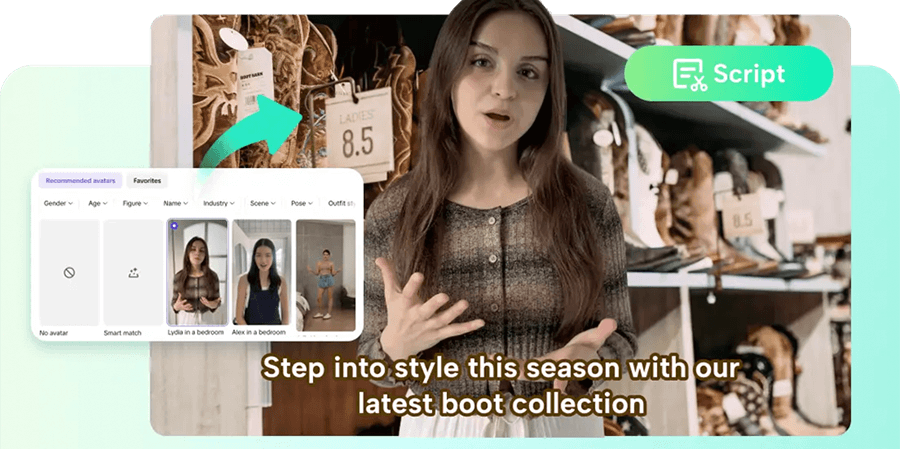
These days, many creators use tools like an AI video generator to speed things up. It helps turn ideas into videos without needing advanced editing skills, which is why free aI video generator very helpful if you're creating content on a regular schedule and can't spend hours editing each piece.
Don't Try to Do Too Much
A common mistake is trying to squeeze too many ideas into one video. This usually makes things confusing for the viewer, and they end up remembering none of it.
Instead, focus on one message at a time. Keep it clear. If you have more to say, create another video. This also gives you more content to post, which is a practical bonus. A series of focused videos will always outperform a single video that tries to cover everything at once.
Simple content often performs better because it's easier to follow and easier to act on. When someone finishes your video and knows exactly what to do next, you've done your job.
Keep It Short, But Meaningful
Short videos work well, but only if they actually say something useful. There's no point in making a short video that feels empty. On the other hand, a slightly longer video can absolutely work if it keeps the viewer interested from start to finish.
The sweet spot for most platforms right now is somewhere between 30 and 90 seconds for short-form content. But that's a guideline, not a rule. If your story needs two minutes to land properly, give it two minutes. Cutting it short just to hit an arbitrary length will hurt more than help.
So instead of obsessing over length, focus on value. Say what matters, skip the filler, and avoid repeating yourself just to pad the runtime.
Add a Natural Ending
A lot of people forget this part. They finish talking and just cut the video. No wrap-up, no direction, nothing. The viewer is left thinking, "Okay... now what?"
It's better to guide your viewers a little. You don't have to be pushy about it. Even a simple closing line works. Ask a question that invites a comment, suggest they follow for more, or point them toward something related. The key is making it feel like a natural continuation of the conversation rather than a forced sales pitch.
A strong ending also helps with watch time. If the viewer stays until the last second because you're still delivering value or building toward something, algorithms on most platforms will reward that.
Learn From What Works
Not every video will perform the same way, and that's completely normal. Sometimes a video you didn't expect to do well ends up getting way more traction than something you spent hours on.
When that happens, try to understand why. Was it the topic? The way you opened it? The tone you used? Maybe you were more relaxed that day, or the subject hit a nerve with your audience at the right time. Pay attention to these patterns. Over time, they'll teach you more about your audience than any analytics dashboard will.
It also helps to revisit your older content every now and then. You'll notice what you've improved on and where you still tend to fall into the same habits.
Be Consistent, Not Perfect
You don't need every video to be perfect. In fact, chasing perfection usually slows you down more than anything else. I've seen creators spend a full week on one video, only to scrap it because it didn't meet their own impossible standards.
It's better to stay consistent. Create regularly, try different approaches, and improve as you go. The creators who grow the fastest aren't the ones with the best production quality. They're the ones who show up over and over again and get a little bit better each time.
More practice makes it more natural. And the more natural it feels, the more your audience will trust you.
Conclusion
Video storytelling isn't as complicated as it sounds. When you strip it down, it's just about sharing something in a way that people can actually connect with.
You don't need expensive equipment or advanced skills to get started. A clear idea, a simple message, and a natural tone can take you a long way. Just focus on being real, keep things simple, and most importantly, don't overthink it.
Because in the end, the videos that feel honest are the ones people actually watch and remember.
About the Author
Abdullah writes about digital strategy, online visibility, and the practical side of growing a business on the web. With years of hands-on experience in digital marketing, content strategy, SEO, and web design, his writing focuses on ideas readers can actually apply rather than theory for its own sake.