


Everything You Should Know
About Video Editing Skills
See also: Top Tips for Effective Presentations
Video content is ubiquitous. From high-end corporate presentations and immersive training modules to viral social media campaigns and full-length documentary features, the modern demand for compelling visual storytelling has never been higher.
At the very heart of this media revolution is the video editor. While it is incredibly easy for outside observers to assume that editing merely involves cutting and joining digital clips, it is actually a highly complex craft. Producing a polished, professional final cut requires a delicate balance of deep technical prowess and robust interpersonal abilities. Whether you are aiming to start a dedicated career in post-production, or you simply want to improve the digital content you create for your own business, mastering these foundational skills is absolutely essential.
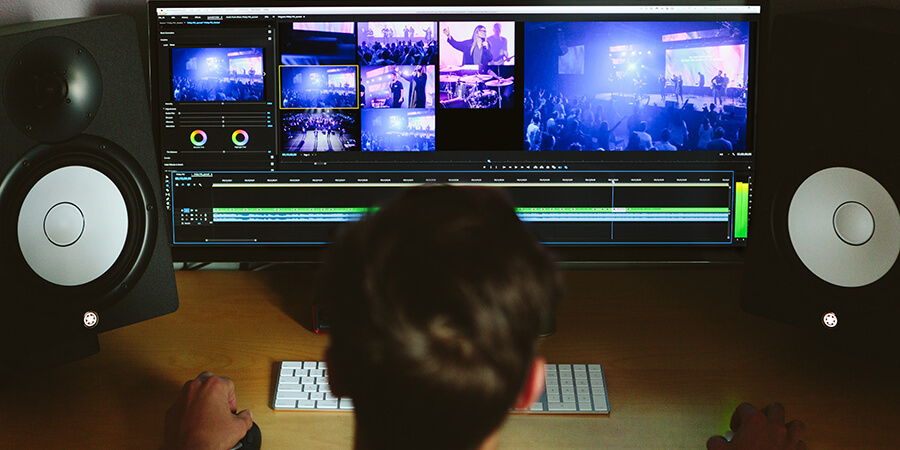
What Does a Video Editor Actually Do?
A video editor is the ultimate storyteller of the production process. Long after the camera operators and directors have left the set, the editor is tasked with taking hours of raw, fragmented footage and weaving it into a cohesive, engaging narrative. This intricate process dictates the pacing, mood, and ultimate emotional impact of the final product.
Editors must review massive amounts of footage to select the best possible takes, align them with a script or storyboard, and ensure visual continuity. They are responsible for color grading to establish a specific visual tone, mixing complex audio tracks to ensure dialogue clarity, and adding graphics or visual effects to enhance the core message. In many ways, the edit suite is the space where the actual video is truly "directed" and finalized.
Because the editor has such absolute control over the final output, they carry a significant creative responsibility. Even if the cinematography is breathtaking and the script is brilliant, clumsy editing can completely ruin the viewer's experience. Conversely, a highly skilled editor can salvage poorly shot footage, fix pacing issues, and transform disjointed media into something remarkable.
Essential Hard Skills for Video Editing
Hard skills refer to the specific, teachable technical abilities required to operate editing systems and manipulate digital media. Without a firm, intuitive grasp of these digital mechanics, it is impossible to bring a creative vision to life effectively.

Proficiency in Non-Linear Editing Software
At the absolute core of the job is mastering a non-linear editing (NLE) system. These software platforms allow editors to manipulate video files directly without altering or destroying the original source media. Different projects will naturally require different tools. Some post-production professionals rely on complex, industry-standard platforms for massive broadcast workflows, while others prefer streamlined, user-friendly applications that still offer robust features.
As you explore different systems, you will likely try numerous video editors before finding the one that perfectly meets your requirements. During this trial process, it is important to remember the necessity of deleting applications from your computer that you no longer use. Unused software takes up valuable disk space and can slow down your system, ultimately hindering your post-production workflow. Ultimately, the specific platform matters far less than your underlying ability to navigate its timeline, use keyboard shortcuts efficiently, and organize your media bins logically.
Audio Mixing and Sound Design
It is a common industry adage that visuals only account for half of the viewing experience. Poor, unmixed audio will cause an audience to abandon a video significantly faster than poor image resolution. Video editors must thoroughly understand how to balance dialogue levels, equalize audio frequencies to remove distracting background hums, and apply digital compression so that loud noises do not distort the track. Furthermore, adding subtle sound effects and appropriate backing tracks is crucial for setting the emotional tone. When selecting background tracks for commercial, corporate, or public-facing projects, it is absolutely essential to use royalty free music to ensure you remain legally compliant while still elevating the resonance of the final cut.
Color Correction and Grading
Raw camera footage is often intentionally shot to look flat and washed out, capturing the maximum amount of digital data for post-production. Video editors must first know how to use primary color correction to ensure realistic skin tones, balance white levels, and match the general exposure across different camera angles. Once the foundational image is corrected, stylistic color grading is applied to give the video a specific mood. This might mean pushing cool, desaturated tones for a corporate thriller, or warm, highly vibrant hues for an upbeat travel vlog. Reading digital scopes and waveforms is a critical technical skill in this phase.
Understanding Pacing and Visual Rhythm
Video editing is inherently musical. Knowing exactly when to cut to a new camera angle, when to let the camera linger on an emotional reaction, and how to match your visual cuts to the underlying beat of the soundtrack requires a deep, almost instinctual understanding of visual rhythm. Cutting too quickly can leave viewers feeling dizzy and disoriented, while cutting too slowly can cause them to lose interest entirely.
The Soft Skills Every Editor Needs
Technical knowledge alone is not enough to build a successful career. Post-production is a highly collaborative, fast-paced, and high-pressure environment. To truly succeed and ensure clients return to you, you must proactively develop a robust set of soft skills alongside your technical abilities.
Attention to Detail
A single flash frame of black video, a slightly out-of-sync dialogue track, or a blatant continuity error can pull the viewer completely out of the narrative experience. Editors must possess an eagle-eyed focus, reviewing complex timelines meticulously to catch microscopic errors before rendering the final delivery file.
Communication Skills
Editors rarely work in total isolation. They must continuously collaborate with directors, producers, corporate clients, and sound engineers. Having highly developed communication skills allows you to articulate your creative choices clearly, set realistic production expectations, and navigate conflicting artistic opinions without damaging your professional relationships.
Time Management and Organization
Digital video files are massive, and post-production workflows can easily involve thousands of individual assets, graphics, and audio clips. If you do not maintain impeccable file organization and strict time management, you will quickly become overwhelmed by the sheer volume of data. Hitting tight, unmoving delivery deadlines requires a highly structured approach to your daily workload.
Adaptability and Problem Solving
Unexpected software crashes, corrupted camera files, and uncooperative or poorly lit footage are daily realities in the editing bay. Successful editors do not panic when disaster strikes; instead, they rely on lateral problem-solving to find creative workarounds. This might mean using a strategic B-roll cutaway to hide a bad camera pan or finding a specialized software plugin to salvage incredibly noisy audio.
Patience and Resilience
Editing is a process of extreme repetition. You will watch the same ten-second clip dozens of times to perfect a single transition. Furthermore, dealing with seemingly endless rounds of client revisions can be incredibly frustrating. Building personal resilience and practicing patience ensures you do not burn out when a project requires extensive reworking.
How to Sharpen Your Video Editing Abilities
If you want to actively elevate your craft, simply repeating the exact same edits over and over again will inevitably lead to creative stagnation. Intentional, deliberate practice is required.
You should start by actively deconstructing the media you already consume. When watching television shows, blockbuster films, or high-end digital content, pay close attention to the editing choices. Ask yourself critically why the editor chose to cut at a specific moment, how they transitioned between different scenes, and how the audio mix influences your emotional state.
Next, build a diverse portfolio of personal projects. Do not artificially limit yourself to a single style. If you usually edit fast-paced action sequences or sports highlights, force yourself to try editing a slow, dialogue-heavy corporate interview. Stepping entirely out of your creative comfort zone forces you to apply different pacing rules and learn entirely new tools within your chosen software.
Finally, you must be willing to seek out and accept constructive feedback. Share your rough cuts with trusted peers, mentors, or online editing communities. Because you have spent hours staring at a single timeline, you will inevitably lose your objective perspective. Fresh eyes will instantly spot pacing issues or confusing narrative jumps that you have become completely blind to. Embrace criticism as a necessary step in the artistic process, not as a personal attack.
Conclusion
Becoming a highly proficient video editor is a long-term journey that seamlessly blends technical mastery with intuitive, human storytelling. By mastering your non-linear software, understanding the deep nuances of audio mixing and color grading, and continuously refining your interpersonal skills, you can successfully transform raw, unpolished footage into incredibly compelling narratives. Remember that every single cut you make should serve the broader story. Stay endlessly curious, keep practicing your craft, and your post-production capabilities will grow with every single project you export.

About the Author
William Nunez is an experienced writer and digital media consultant based in Pittsburgh, PA, United States of America. Having spent years honing his video editing skills on short documentaries and corporate projects, he is deeply inspired by the creative people he communicates with, and is constantly seeking new technical challenges.