

The Soft Skills Healthcare Professionals Need When Caring for Older Adults
See also: Understanding Other PeopleCaring for older adults requires more than just clinical knowledge. Healthcare professionals also need to communicate clearly, listen carefully, understand individual priorities and work effectively with others. These soft skills can shape whether a care plan is understood, realistic and aligned with what a patient wants from their everyday life.
Working with older adults can also strengthen these abilities. Patients might have several health concerns, changing levels of independence or different preferences about treatment and daily routines. Each situation requires professionals to look beyond a diagnosis and consider the person who is behind it.
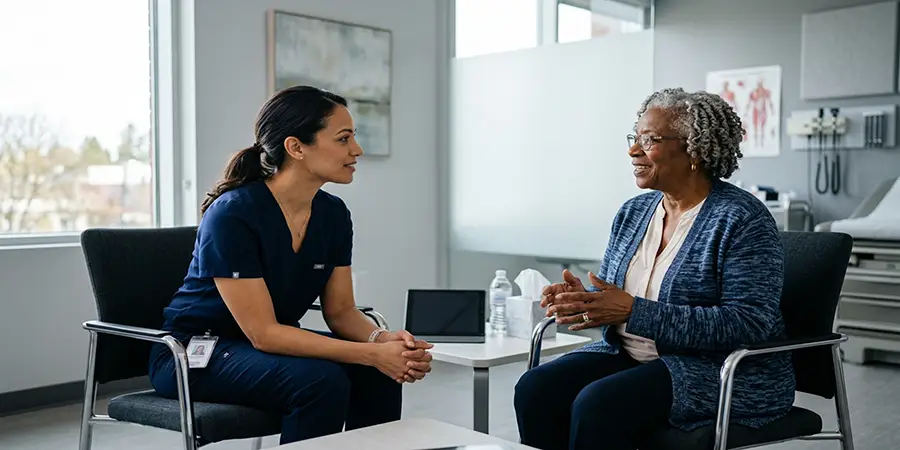
Communication: Making healthcare easier to understand
Clear communication is essential when healthcare decisions become complicated. Older adults might receive information about medications, tests, lifestyle changes, follow-up appointments or different treatment options. Explaining these topics in plain language can make it a lot easier for patients to understand what's happening and what they need to do next.
Education also provides an opportunity to develop this skill. For example, adult gerontology primary care nurse practitioner programs can prepare learners to communicate clinical information while considering the individual needs and circumstances of older patients.
Good communication also means checking that the patient has understood, inviting questions and adapting explanations when something is unclear.
Active listening: Finding out what patients really need
Active listening goes beyond hearing what someone says. It involves giving the patient enough space to explain their concerns, asking follow-up questions and paying attention to information that might otherwise be missed.
For example, a patient might say they are managing their medication well. A quick question might produce a simple yes or no answer, while a more open conversation could reveal that they sometimes forget doses, find the schedule confusing or experience side effects they haven't mentioned.
Listening carefully can reveal practical barriers that aren't immediately obvious from a clinical assessment. It can also help professionals understand what matters most to the patient. This makes active listening an important part of patient-centered care.
Empathy: Understanding the person behind the condition
Empathy helps healthcare professionals consider how illness and treatment can affect someone's wider life. An intervention that appears straightforward from a clinical perspective might feel very different to the person receiving it.
An older adult might be particularly concerned about maintaining independence, continuing familiar activities or remaining able to manage everyday tasks. These priorities can influence how they feel about treatment and what outcomes matter most to them.
Empathy doesn't mean agreeing with every preference or avoiding difficult conversations. Instead, it means taking the patient's perspective seriously and using that understanding to inform care. Asking what a patient hopes to maintain or change can help turn a clinical conversation into a meaningful discussion about their goals.
Prioritization: Deciding what needs attention first
Healthcare professionals often have to consider several pieces of information all at once. An older adult might have multiple conditions, take several medications and raise more than just one concern during an appointment. Strong prioritization skills help professionals decide what requires immediate attention while keeping longer-term needs in view.
This involves identifying urgent issues, recognizing connections between concerns and considering the patient's circumstances.
Prioritization is therefore both a clinical and interpersonal skill. Professionals need to make sound judgments while explaining those decisions clearly to patients and, where appropriate, other people involved in their care.
Decision-making: Balancing evidence and individual preferences
Good decision-making requires more than selecting the most obvious clinical option. Healthcare professionals might need to weigh evidence, potential benefits, possible risks and the patient's preferences before agreeing on a plan.
For older adults, practical considerations can be especially important. A treatment plan might be clinically appropriate but hard to follow because of mobility limitations, daily responsibilities, financial concerns or limited support.
Shared decision-making creates space for these factors. Professionals can explain options, discuss potential outcomes and ask what matters to the patient.
Collaboration: Working effectively with others
Older adults might receive support from several healthcare professionals, as well as family members, caregivers or community services. Collaboration helps ensure that these different relationships contribute to a coherent approach to care.
Strong collaboration depends on communication, respect and an understanding of professional boundaries. A healthcare professional needs to know when to seek another person's expertise, share relevant information and listen to different perspectives.
This skill is valuable when care involves competing priorities. A patient might have medical needs that overlap with concerns about mobility, mental wellbeing, medication routines or support at home. Working with other professionals can help to create a complete picture and reduce the risk of important information being overlooked.
Reflective practice: Learning from experience
Soft skills continue to develop through experience. Reflective practice gives healthcare professionals a structured way to consider what happened during a patient interaction and what they might do differently next time.
After a challenging conversation or complicated decision, a professional might ask which information influenced the outcome, whether the patient's priorities were fully understood and whether the explanation was clear enough. They might also consider what they overlooked and how another professional handled a similar situation.
Reflection can turn everyday experiences into opportunities for improvement. Feedback from colleagues can then strengthen this process even further by providing another perspective on communication, teamwork or decision-making.
Conclusion: Building skills through patient-centered practice
Soft skills are part of good quality healthcare. They influence how professionals understand patients, make decisions and work with others.
Caring for older adults provides opportunities to develop these abilities. Communication can make complex information easier to understand. Active listening can uncover concerns that might otherwise remain hidden. Empathy can bring individual goals into the conversation, while prioritization and decision-making help professionals respond thoughtfully to competing needs. Collaboration connects different sources of expertise, and reflective practice encourages continuous improvement.
Together, these skills all support a patient-centered approach to care. Clinical knowledge remains important, but healthcare professionals also need the ability to listen, communicate, collaborate and adapt. Developing these skills can help them build better relationships with older adults and create care plans that are not only clinically appropriate, but also practical and meaningful for the people they serve.