

Building Resilience and Professionalism in the Construction Trades
See also: Building Professional ResilienceWorking in the construction trades is notoriously demanding. While the physical toll of operating heavy machinery, lifting materials, and navigating active sites is obvious, the mental pressure of thriving in a high-risk environment is often overlooked. Developing strong soft skills is just as critical as technical expertise for ensuring long-term career success and personal well-being.
A successful career in the building trades requires more than just showing up and doing the physical labor. It demands a high degree of situational awareness, rapid problem-solving, and the ability to maintain professional standards when timelines are tight and stakes are high. By mastering your interpersonal and psychological responses, you build a foundation for a safer, more productive career.
The Hidden Mental Toll of High-Risk Environments
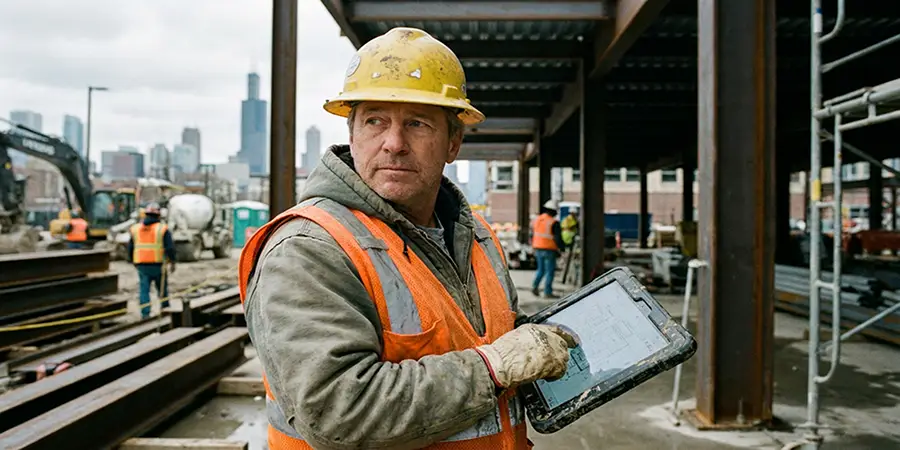
Construction sites are dynamic, hazardous ecosystems that require constant vigilance to avoid accidents. This perpetual state of high alert can lead to significant psychological fatigue over time. When you combine this physical danger with demanding project deadlines, unpredictable weather conditions, and the complexities of coordinating with multiple specialized teams, the cognitive load becomes immense.
Furthermore, the construction industry often operates within a culture that prioritizes toughness and stoicism. Workers may feel pressured to push through pain, ignore exhaustion, or remain silent about stress to avoid appearing weak. This stigma significantly compounds the mental toll, isolating individuals who are struggling to keep up with the grueling pace of modern development projects.
Without deliberate stress management, this daily pressure can easily manifest as burnout, distraction, or complacency. In a high-risk setting, complacency is the ultimate enemy of safety. A distracted worker is a danger to themselves and everyone around them. Recognizing the signs of mental fatigue—such as irritability, chronic exhaustion, or a lack of focus—and actively taking steps to decompress after a shift ensures that you return to the site the next day fully alert and capable of performing your duties safely.
Practicing Assertiveness on Site
Safety on a construction site is a collective responsibility, but it relies heavily on individual action and accountability. One of the most important professional traits a worker can develop is assertiveness. Being assertive does not mean being aggressive, confrontational, or difficult to work with; it means having the confidence to speak up clearly and respectfully when something is wrong.
If a safety protocol is being ignored, a trench lacks proper shoring, or heavy equipment appears faulty, you must be willing to address the hazard immediately, even if it means halting production. Many workers fear retribution or mockery for holding up a project, but true professionalism requires prioritizing human life over scheduling conveniences.
Assertive communication allows you to raise concerns with site managers, foremen, or supervisors without creating unnecessary conflict or sounding insubordinate. Use "I" statements and focus on observable facts rather than accusations. For instance, instead of shouting, "You're trying to get us killed," an assertive professional would say, "I am not comfortable proceeding with this lift until we double-check the rigging." By refusing to compromise on safety standards, you protect not only yourself but your entire crew, fostering a workplace culture rooted in mutual respect and professionalism.
Effective Communication in the Midst of Chaos
A typical construction site is a symphony of noise. Jackhammers, backup alarms, shouting, and heavy machinery create an environment where miscommunication is incredibly easy and highly dangerous. Navigating this chaos requires a mastery of both verbal and non-verbal communication skills.
Standardized hand signals, clear eye contact, and active listening are non-negotiable tools for survival. When a crane operator is moving tons of steel overhead, there is no room for ambiguity. Before a complex task begins, professional crews utilize "toolbox talks" to ensure every single member understands their specific role, the sequence of operations, and the identified hazards. If you are unsure of an instruction, asking for clarification is a sign of competence, not incompetence.
Building Personal and Professional Resilience
Setbacks are inevitable in any career, but they are a daily reality in construction. Supply chain delays, sudden structural challenges, failed inspections, and unpredictable weather can derail even the most meticulously planned projects. Bouncing back from these daily frustrations requires actively developing psychological resilience.
Resilience allows professionals to view obstacles as problems to be solved rather than insurmountable failures or personal attacks. A highly resilient worker maintains their composure when a project goes off track, adapting quickly to changing instructions or redesigned blueprints. This adaptability marks the difference between an average laborer who complains about changes and an indispensable professional whom managers rely on when the pressure mounts.
Building this resilience requires a holistic approach. It starts with physical health—ensuring adequate sleep, proper hydration, and nutrition to fuel your body for grueling shifts. But it also requires cultivating a growth mindset. When mistakes happen, resilient individuals analyze the failure objectively, extract the lesson, and apply it to the next task without harboring lingering resentment or self-doubt.
Navigating Interpersonal Conflict
Construction requires the seamless integration of dozens of different trades—electricians, plumbers, framers, and HVAC specialists—all working in close proximity, often on overlapping schedules. It is highly common for one trade's progress to impede another's, leading to territorial disputes and elevated tempers.
Handling these clashes professionally is a vital career skill. Resorting to shouting matches or passive-aggressive sabotage only delays the project further and damages your professional reputation. Instead, approach these conflicts collaboratively. Seek to understand the constraints the other trade is facing, clearly communicate your own needs, and work together to find a sequence that allows both teams to proceed efficiently.
Protecting Your Future When the Worst Happens
Even with the highest levels of professionalism, assertiveness, and rigorous site safety protocols, catastrophic accidents can still happen. The intense physical nature of the work means that when things go wrong—whether due to a scaffolding collapse, an electrical fault, or a machinery malfunction—the physical consequences are often severe and life-altering.
If you suffer a workplace injury, your personal resilience will be tested in entirely new ways as you navigate emergency medical recovery, the labyrinth of workers' compensation claims, and the terrifying potential of a long-term loss of income. In the immediate aftermath of an accident, your cognitive bandwidth will be overwhelmed by pain and trauma, making it incredibly difficult to make strategic, long-term decisions.
In these high-stakes, adversarial situations, it is vital to know your rights and secure professional, objective guidance to protect your future and your family's financial stability. The entities responsible for your injury will immediately deploy teams of investigators and lawyers to minimize their liability; you must level the playing field. Consulting a Chicago construction accident attorney ensures that you have expert advocacy on your side from day one. Having a legal professional manage the overwhelming complexities of liability, evidence preservation, and financial compensation allows you to focus all your mental and physical energy exactly where it belongs: on your recovery.
Conclusion
The construction industry is the backbone of modern infrastructure, built by individuals who possess incredible physical endurance and technical skill. However, to truly thrive in this demanding career, workers must cultivate a robust toolkit of soft skills.
By actively developing your personal resilience, mastering assertive communication to enforce safety boundaries, and learning to manage the chronic stress of a high-risk environment, you transform yourself into a consummate professional. And when the unexpected occurs, applying those same principles of proactive problem-solving to secure expert legal representation ensures that your livelihood, your health, and your future remain protected, no matter what challenges the job site throws your way.
About the Author
Sammie Goodwin is a communication strategist and behavioral writer dedicated to helping individuals navigate high-stakes, unpredictable situations. Specializing in the intersection of emotional intelligence, conflict resolution, and personal resilience, they write for SkillsYouNeed to equip readers with the practical soft skills required to manage everything from sudden accidents to complex legal disputes.