

How Learning New Technologies Strengthens Essential Workplace Skills
See also: Career Management SkillsTechnology is evolving at an incredible pace, transforming the way people work across nearly every industry. New software, automation tools, cloud services, and digital platforms are becoming a normal part of daily business operations.
While technical knowledge certainly helps professionals stay competitive, employers increasingly recognize that long-term success depends on much more than technical expertise alone. Skills such as adaptability, communication, teamwork, problem-solving, and emotional intelligence continue to distinguish outstanding employees from the rest.
Learning new technologies offers an excellent opportunity to strengthen these essential workplace skills. Even if a person never becomes a technical expert, the process of learning unfamiliar concepts encourages personal growth, resilience, and confidence. Developing the habit of continuous learning prepares professionals to face new challenges while building the qualities that remain valuable throughout an entire career.
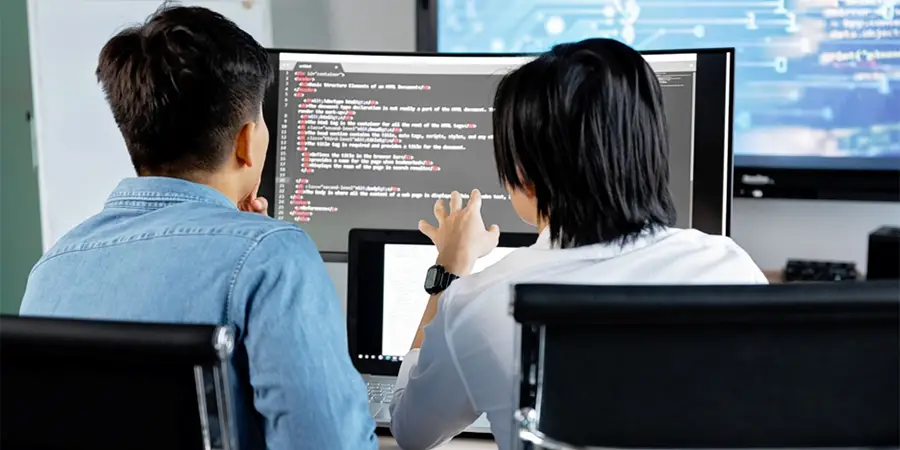
Adaptability Becomes a Career Advantage
Modern workplaces rarely remain the same for long. Businesses introduce new systems, update workflows, and respond to changing customer expectations on a regular basis. Employees who are comfortable adapting to these changes become valuable assets because they help organizations move forward instead of resisting progress.
Adaptability begins with a willingness to learn. Instead of viewing change as a disruption, successful professionals see it as an opportunity to improve their knowledge and expand their capabilities. They understand that every new experience teaches something useful, whether it involves learning a new application, understanding an updated business process, or exploring an unfamiliar industry trend.
For example, understanding concepts like hyperconverged infrastructure introduces learners to modern approaches for managing computing, storage, and networking resources. While the technology itself is technical, the learning process develops adaptability, analytical thinking, and the confidence to approach unfamiliar challenges with a positive mindset.
Continuous Learning Builds Better Problem-Solvers
Problem-solving is one of the most important soft skills in any profession. Every workplace encounters obstacles, whether they involve meeting deadlines, managing customer expectations, improving efficiency, or resolving unexpected issues.
People who regularly learn new skills naturally become stronger problem-solvers because they become comfortable working through uncertainty. Instead of becoming frustrated when faced with something unfamiliar, they develop a habit of researching information, asking thoughtful questions, and testing possible solutions.
This mindset extends beyond technical environments. Strong problem-solving skills improve project management, customer service, business planning, and leadership. Professionals who think critically often make better decisions because they evaluate different options before taking action.
Rather than searching for immediate answers, they learn how to analyze situations carefully, identify root causes, and develop practical solutions that benefit both their teams and their organizations.
Communication Remains Essential
No matter how knowledgeable someone becomes, their expertise has limited value if they cannot communicate effectively. Strong communication allows professionals to explain ideas clearly, provide useful feedback, and collaborate successfully with colleagues from different backgrounds.
Effective communication involves much more than speaking confidently. It also includes active listening, asking thoughtful questions, respecting different viewpoints, and adjusting communication styles depending on the audience.
Professionals who continue learning often become better communicators because they frequently encounter unfamiliar concepts that require explanation. They practice translating complex information into language that others can easily understand, making collaboration smoother and reducing misunderstandings.
Strong communication also builds trust. Colleagues appreciate individuals who share information openly, explain challenges honestly, and contribute positively during discussions.
Teamwork Encourages Shared Success
Today's workplace depends heavily on collaboration. Most successful projects require employees from multiple departments to contribute their knowledge and expertise toward a common objective.
Working effectively within a team requires patience, empathy, respect, and accountability. Team members must be willing to share ideas, support one another, and remain open to constructive feedback.
Learning new skills often creates opportunities to collaborate with others. Whether participating in workshops, completing online courses, or contributing to workplace projects, professionals develop stronger interpersonal relationships through shared learning experiences.
Successful teams understand that every individual brings different strengths to the table. Appreciating those differences creates an environment where innovation and creativity can flourish.
Confidence Develops Through Experience
Confidence rarely appears overnight. Instead, it grows through consistent effort and repeated success over time.
Every new skill mastered demonstrates that personal growth is possible. Even small achievements contribute to greater self-confidence, encouraging professionals to accept larger responsibilities and pursue more challenging opportunities.
Learning something unfamiliar also teaches resilience. Mistakes become valuable learning experiences rather than reasons to quit. Individuals gradually become more comfortable asking questions, seeking guidance, and experimenting with new approaches.
This confidence influences every aspect of professional life, from presenting ideas during meetings to applying for promotions and taking leadership roles.
Emotional Intelligence Strengthens Professional Relationships
Technical ability may solve problems, but emotional intelligence helps people work effectively with others.
Professionals with strong emotional intelligence understand their own emotions while recognizing how their actions affect colleagues, clients, and managers. They remain calm during stressful situations, respond thoughtfully instead of reacting emotionally, and resolve disagreements respectfully.
Continuous learning often strengthens emotional intelligence because it requires patience, humility, and persistence. Accepting that there is always something new to learn encourages a growth mindset instead of an ego-driven approach.
These qualities improve workplace relationships and contribute to healthier, more productive teams.
Building a Growth Mindset
One of the greatest benefits of learning new technologies is developing a growth mindset—the belief that abilities improve through consistent effort and practice.
People with a growth mindset welcome feedback because they view it as an opportunity for improvement rather than criticism. They remain curious, ask questions, and continue developing their skills throughout their careers.
This attitude makes professionals more adaptable during periods of change. Instead of fearing new responsibilities, they approach unfamiliar situations with curiosity and confidence.
Organizations increasingly value employees who demonstrate initiative and a willingness to keep learning because these individuals often contribute innovative ideas and help businesses adapt to changing markets.
Lifelong Learning Creates Long-Term Career Success
Career development is no longer about earning one qualification and relying on it for decades. Industries continue evolving, making lifelong learning an essential part of professional success.
Fortunately, learning does not always require formal education. Reading professional articles, attending webinars, participating in workshops, earning certifications, and learning from experienced colleagues all contribute to personal growth.
More importantly, every learning experience strengthens transferable skills that remain useful regardless of career changes. Communication, leadership, adaptability, collaboration, and resilience are valuable in every profession and every stage of a career.
Professionals who commit to continuous learning remain prepared for future opportunities while maintaining the flexibility to adapt as industries continue evolving.
Final Thoughts
Technical knowledge may open doors, but soft skills determine how far professionals progress once those doors are open. Adaptability, communication, teamwork, emotional intelligence, problem-solving, resilience, and continuous learning remain essential qualities in every modern workplace.
Developing these abilities does not happen overnight. They grow through curiosity, practical experience, and a willingness to embrace change. By investing in lifelong learning and maintaining a positive growth mindset, professionals can build rewarding careers while remaining prepared for whatever opportunities the future may bring.
About the Author
Sammie Goodwin is a technology writer and workplace learning advocate who explores how emerging technologies can support professional growth beyond technical expertise. They write about lifelong learning, adaptability, communication, and other essential workplace skills, helping readers build the confidence and resilience needed to thrive in an ever-changing world of work.