


10 Soft Skills to Cultivate
to Become a Better Marketer
See also: Marketing Skills
Becoming a truly successful marketer requires much more than just a firm grasp of search engine optimization, paid advertising platforms, and content calendars. While technical capabilities will get you in the door, it is the intangible qualities—your soft skills—that will ultimately determine your long-term success in the industry.
These interpersonal and cognitive abilities are what empower marketers to genuinely connect with customers, build deep brand trust, navigate complex team dynamics, and translate raw data into compelling stories.
To help you elevate your career and become a more effective, well-rounded professional, here are ten essential soft skills that every marketer should actively cultivate:

10 Essential Soft Skills for Marketers
-
Empathy and Customer Centricity
Empathy is arguably the most critical soft skill in a modern marketer's toolkit. It serves as the vital link between a brand and its audience. Empathy allows marketers to step outside their corporate bubble and genuinely understand their consumers' emotions, daily frustrations, and desires.
When you can see the world from the customer's perspective, you stop creating aggressive sales pitches and start crafting messages that genuinely resonate. By integrating deep empathy into your strategies, you can communicate with your audience in a way that feels personal and supportive, leading to highly memorable brand experiences and long-lasting customer loyalty.
-
Clear and Persuasive Communication
In marketing, clear communication is an absolute necessity. A marketer's core job is to take a complex product or service and present it to diverse audiences in an easily digestible, compelling format. You must be able to convey your ideas flawlessly across various mediums, whether you are writing a persuasive email campaign, drafting an engaging video script, or presenting a quarterly strategy to your executive board.
Furthermore, internal communication is just as vital. Articulating your creative vision to graphic designers, or explaining lead quality to the sales team, ensures that the entire organization remains aligned and collaborative.
-
Creative Thinking
Marketers with highly developed creative thinking skills are the ones who capture market attention and disrupt the status quo. Creativity in marketing is not just about designing pretty graphics; it is about finding innovative ways to solve business problems and presenting ordinary products in extraordinary ways.
Exploring diverse perspectives, running open brainstorming sessions without judgment, and seeking inspiration from outside your specific industry can dramatically enhance your creative output. Great marketers take calculated creative risks that help their brands stand out in increasingly crowded digital markets.
-
Active Listening
Marketing is often viewed as a "broadcast" profession, but the best marketers spend just as much time listening as they do speaking. Active listening involves paying close attention to what your target audience is saying on social media, reading between the lines of customer support tickets, and truly hearing the feedback provided by your sales team.
By actively listening to the market's organic chatter, you can identify shifting consumer trends and unaddressed pain points long before your competitors do, allowing you to pivot your messaging proactively.
-
Analytical Interpretation (Data Storytelling)
While data analysis is a hard skill, analytical interpretation—the ability to look at a spreadsheet and extract a meaningful human narrative—is a profound soft skill. Marketers need the ability to collect, understand, and conclude from data to ensure their decisions are grounded in reality rather than assumption.
Successful marketers do not just report numbers to their bosses; they translate data into actionable insights and strategic narratives. They look at a drop in website traffic and understand the psychological or environmental reasons behind the behavior shift.
-
Adaptability and Agility
The marketing landscape is notoriously volatile. Search engine algorithms change overnight, new social media platforms emerge, and global events can render a carefully planned six-month marketing strategy instantly obsolete. For marketers, the ability to remain calm and pivot quickly is imperative.
You must embrace continuous professional development, stay abreast of industry trends, and foster a mindset that welcomes change rather than resisting it. Adaptable marketers view sudden shifts not as crises, but as unique opportunities to capture new market share.
-
Time and Project Management
Marketing departments are fast-paced environments where professionals are frequently required to juggle multiple campaigns, product launches, and editorial calendars simultaneously. Without exceptional time management, burnout is inevitable.
Marketers must be able to prioritize tasks, set realistic deadlines, and allocate the appropriate mental energy to high-impact projects. Successfully balancing urgent daily tasks (like responding to a PR mention) with important, long-term tasks (like writing a comprehensive eBook) ensures consistent, high-quality output without immense personal stress.
-
Problem-Solving
No marketing campaign ever executes perfectly according to plan. Problem-solving helps you tackle unexpected challenges effectively and creatively. It involves identifying the root cause of an issue—such as a sudden decline in email open rates or an advertising budget being slashed in half—and devising an efficient workaround.
A proactive, level-headed approach to problem-solving relies on critical thinking and a readiness to try unconventional strategies to keep campaigns moving forward.
-
Collaboration and Teamwork
Marketing does not happen in a vacuum. A successful campaign requires the seamless coordination of copywriters, designers, SEO specialists, paid ad buyers, and web developers. Effective teamwork is the engine of a productive marketing department.
This requires mutual respect, the ability to leave your ego at the door, and a willingness to compromise. Great marketers know how to champion their own ideas while simultaneously elevating the contributions of their peers.
-
Emotional Intelligence (EQ)
Emotional Intelligence is the ability to recognize and manage your own emotions, as well as the emotions of those around you. In a high-pressure creative field, EQ is vital. It dictates how you handle constructive criticism on a piece of content you poured your heart into, or how you manage team morale when a major launch underperforms.
Marketers with high EQ navigate complex workplace dynamics with grace, foster highly positive environments, and use their emotional awareness to forge deeper, more authentic connections with their target consumers.
Further Reading from Skills You Need
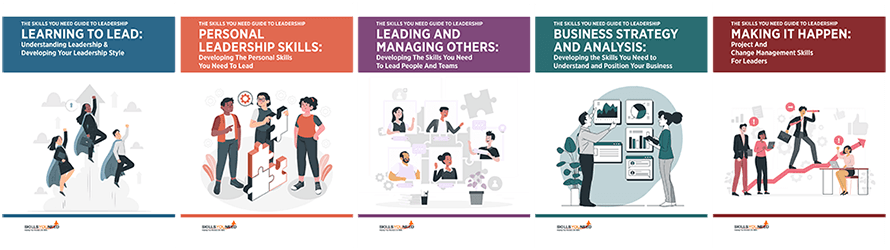
The Skills You Need Guide to Leadership eBooks
Learn more about the skills you need to be an effective leader.
Our eBooks are ideal for new and experienced leaders and are full of easy-to-follow practical information to help you to develop your leadership skills.
Conclusion
In the marketing industry, technical platforms and algorithms will constantly evolve. The software you use today will likely be obsolete in five years. However, soft skills—the interpersonal, emotional, and cognitive abilities that determine how we interact with others and process the world—are timeless.
Cultivating these ten skills is what separates a competent tactician from a truly successful marketer. These skills allow you to navigate workplace challenges, collaborate effectively, and create resonant, human-centric campaigns that drive genuine business growth. By actively investing in your personal development, you will secure a significant, enduring edge in an increasingly competitive professional landscape.
About the Author
Elaine Cohen is a brand strategist with over a decade of experience leading creative teams. She specializes in the intersection of behavioral psychology and digital marketing, helping brands build deeper, more empathetic connections with their audiences. When she isn't writing or consulting, Elaine hosts workshops on developing emotional intelligence in high-pressure corporate environments.