


Essential Marketing Soft Skills
Every Business Owner Should Have
See also: Strategic Marketing
When entrepreneurs and founders think about marketing, their minds usually gravitate toward hard skills and technical metrics: search engine optimization, pay-per-click advertising, conversion rates, and email funnels. While these technical elements are undeniably important, they can easily be outsourced to an agency or a talented employee.
However, the foundational vision behind the marketing strategy cannot be outsourced. As a business owner, your ability to convey your ideas, understand your target audience, and lead your marketing team directly dictates your company's growth trajectory. This is where soft skills become your most valuable competitive advantage.
Soft skills—the interpersonal, emotional, and cognitive abilities that govern how you interact with the world—are the true engine of authentic brand building. By cultivating these essential marketing soft skills, business owners can navigate the dynamic landscape of modern entrepreneurship with confidence, building resilient brands that naturally attract and retain fiercely loyal customers.

6 Essential Marketing Soft Skills for Business Owners
-
The Role of Empathy in Understanding Your Market
Empathy goes far beyond simply understanding someone's point of view; it is about genuinely feeling and anticipating their needs. In the realm of business and marketing, empathy is what separates an aggressive, forgettable sales pitch from a resonant, trust-building brand message.
A business owner with high empathy can step out of their corporate mindset and view their products through the lens of the consumer's daily struggles. When you empathize with your clients, you tailor your marketing approaches to suit their emotional state, solving their actual pain points rather than just pushing product features.
Identify the Core Problem: Before launching a new marketing campaign, ask yourself: What keeps my ideal customer awake at night? How does my service alleviate that specific anxiety?
Map the Emotional Journey: Understand the emotional highs and lows of your customer's purchasing journey. Empathy allows you to provide reassurance exactly when they feel hesitant, and celebrate with them when they achieve success using your product.
-
Mastering Clear and Persuasive Communication
Effective communication forms the absolute foundation of every successful business. As a founder, you are the chief evangelist for your brand. If you cannot clearly articulate why your business matters, you cannot expect your marketing team or your customers to understand it either.
Clear messaging is about getting to the heart of what you want to say and sharing it in a universally understandable way. Implement these tactics for crystal-clear communication in your marketing:
Be Concise: The modern consumer has an incredibly short attention span. Use fewer words to express your ideas, ruthlessly editing out unnecessary fluff from your website copy and social media posts.
Ditch the Jargon: Choose words that are highly appropriate for your specific audience. It is a common mistake for owners to use dense business jargon that makes them sound smart to their peers, but completely alienates and confuses their actual customers.
Persuasive, Ethical Dialog: Persuasion is a skill that leads to better business outcomes, but it is not about manipulation. Combine logical arguments (data, case studies) with an emotional appeal (relief, joy, security) to create a compelling, ethical marketing message that naturally drives action.
-
The Power of Active Listening
Marketing is often mistakenly viewed as a one-way broadcast. In reality, the best marketing is a continuous loop of listening and responding. Active listening involves fully concentrating on the speaker, understanding their underlying message, and responding thoughtfully.
As a business owner, you must actively listen to the market. This means paying close attention to customer support tickets, reading every online review (both positive and negative), and monitoring industry conversations on social media.
Focus on the Unsaid: Sometimes the most valuable marketing data is found in what customers aren't saying. If they constantly ask for a feature you already offer, it means your current marketing communication is failing to highlight it effectively.
Reflect and Clarify: When interacting directly with clients, paraphrase their concerns back to them. This not only ensures you grasp their full intent but also makes the customer feel deeply valued and understood.
-
Emotional Intelligence (EQ) in Leadership
In business, emotional intelligence is the backbone that supports your ability to manage your own emotions and influence the emotions of your target market. It sharpens your strategic thinking and prevents you from making rash, reactive marketing decisions.
For example, if a competitor launches a highly aggressive marketing campaign against your brand, a founder with low EQ might launch an angry, defensive counter-campaign that damages their own reputation. A founder with high EQ recognizes their initial stress, steps back, and formulates a calm, strategic response that reinforces their brand's high standards.
Emotional intelligence also dictates relationship management. It allows you to navigate through conflicts, inspire your internal marketing team when a campaign underperforms, and cultivate a network of passionate advocates for your brand.
-
Adaptability in a Shifting Digital Landscape
In the ever-changing landscape of digital marketing, adaptability and flexibility are your greatest superpowers. Algorithms change, new social platforms explode in popularity overnight, and global economic shifts can instantly alter consumer spending habits.
Viewing change as an opportunity rather than a threat keeps you a step ahead of slower, more rigid competitors. To remain adaptable, you must adopt a mindset of continuous personal development.
Learn, Unlearn, Relearn: You must be willing to learn new technologies (like AI marketing tools), unlearn outdated practices (like spammy email blasts), and relearn strategies to suit current, modern market demands.
Versatile Communication: You must be flexible in how you present your brand. You need to tailor your approach depending on the context: a social media video might require a casual, energetic tone, while a B2B proposal demands absolute professional formality.
-
Collaboration and Effective Delegation
As your business scales, you cannot manually write every tweet, design every brochure, and analyze every ad metric yourself. You must transition from being a marketing doer to a marketing leader. Effective teamwork and collaboration involve harmonizing your overarching vision with the specialized skills of your employees, freelancers, or hired agencies.
Building trust within your marketing team starts with reliability and clear expectations. You must foster an inclusive environment where creative brainstorming is encouraged without the fear of immediate judgment. When a campaign succeeds, share the credit generously. When a strategy fails, approach it as a collective problem-solving exercise rather than an opportunity to assign blame. By mastering collaboration, you multiply your marketing output exponentially.
Further Reading from Skills You Need
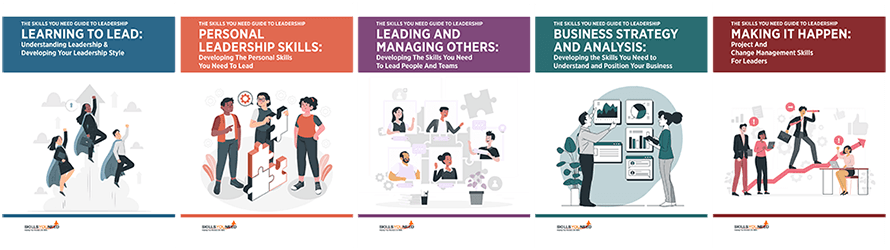
The Skills You Need Guide to Leadership eBooks
Learn more about the skills you need to be an effective leader.
Our eBooks are ideal for new and experienced leaders and are full of easy-to-follow practical information to help you to develop your leadership skills.
Conclusion
The technical tools of marketing will perpetually evolve, but the human elements of business remain constant. Nurturing soft skills like empathy, adaptability, clear communication, and emotional intelligence is absolutely indispensable for every modern business owner.
These skills not only enhance the effectiveness of your external marketing strategies but also foster profoundly meaningful connections with your clients and your internal team members. By intentionally incorporating these essential interpersonal skills into your leadership toolkit, you can navigate the highly dynamic landscape of entrepreneurship with confidence, resilience, and a proactive mindset, ultimately paving the way for sustainable, long-term business growth.
About the Author
Bailey Hudson is a small business strategist who loves helping founders find their authentic brand voice. After spending her early career in high-pressure corporate PR, she realized her true passion was working directly with passionate entrepreneurs to build companies rooted in empathy and real human connection. When she isn't writing or consulting, Bailey can usually be found attempting to bake the perfect sourdough loaf or chasing after her rescued greyhound, Buster.