


The Hidden Classroom: 6 Life Skills You Learn from the Driver's Seat
See also: Emotional IntelligenceWe often talk about driving as if it's a purely mechanical skill. You learn how to check your mirrors, how to merge into traffic, and how to parallel park without hitting the curb while everyone watches. But if you spend enough time behind the wheel, you'll realize that driving is actually a masterclass in life skills. It requires patience, quick decision-making, and a high level of emotional intelligence.
Whether you're a daily commuter or an occasional road tripper, the way you handle yourself on the road says a lot about how you handle life in general. Honestly, the driver's seat is a bit of a mirror for the soul.
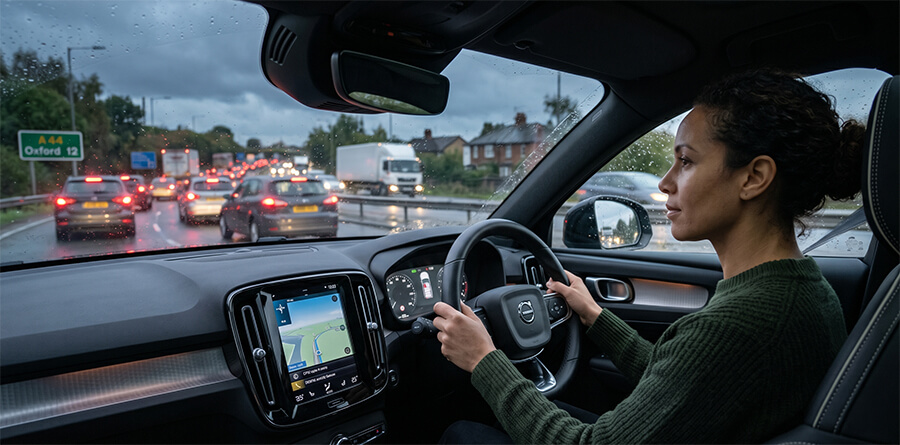
The Psychology of the Driver's Seat
One of the most overlooked parts of driving is the mental discipline it demands. When someone cuts you off in traffic, your immediate physical reaction might be a sharp spike in adrenaline.
Your heart rate climbs, and your grip on the steering wheel tightens. But have you ever stopped to wonder why we let a stranger's bad lane change ruin our entire morning?
This is where emotional intelligence comes into play. The ability to regulate that frustration and stay calm is a skill that translates directly to the workplace and your personal relationships. We forget that the person in the other car is just as stressed as we are.
It's about control.
Patience isn't just a virtue on the road; it's a safety requirement. When we rush, we make mistakes. We miss signs, we misjudge distances, and we lose our ability to anticipate what others are going to do. Developing a "calm cabin" mindset, even when the kids are screaming or the radio is too loud, helps you navigate the chaos of a busy highway with the same grace you'd use to navigate a high-stakes meeting.
Financial Literacy and Ownership
Being a responsible adult means understanding the logistics of the tools we use every day. A car is likely one of the most expensive things you'll ever own, and managing it requires more than just filling up the gas tank. It involves a deep dive into personal finance and risk management. And that's the point.
Part of this responsibility is understanding how to protect your assets. Most people view paperwork as a total chore, but knowing the nuances of your coverage is a vital life skill. For instance, when you look into the details of your auto insurance, you're practicing proactive financial planning. It's about more than just legal compliance.
Is it possible that being "under-insured" is actually just a lack of foresight?
It's about understanding liability, protecting your savings from unexpected events, and making informed choices about premiums versus deductibles. This kind of analytical thinking is exactly what builds long-term financial stability. You know, the kind of stability that lets you sleep better at night.
The Art of Technical Maintenance
In a world where we can tap a screen to solve almost any problem, there's something deeply grounding about basic mechanical knowledge. You don't need to be a professional mechanic to understand the fundamentals of your vehicle. Knowing how to check your oil, monitor tire pressure, and understand what those dashboard lights actually mean is an exercise in self-reliance.
When you take the time to learn these basics, you move from being a passive consumer to an active owner. This shift in mindset fosters a sense of agency. If a tire goes flat on a lonely stretch of road, the person who knows how to use a jack is in a much better position than the person who only knows how to call for help.
Self-reliance is a quiet kind of confidence.
Maybe it's the smell of the garage or the grease on your hands, but there's a real satisfaction in fixing things yourself. Technical literacy is a confidence builder that reminds us we're capable of solving physical problems in a digital age.
Situational Awareness and Anticipation
Expert drivers aren't just watching the car right in front of them. They're watching the car three vehicles ahead. They're scanning the shoulders for movement. They're noticing the change in pavement texture as soon as it starts to rain. And that's the definition of situational awareness.
But how often do we apply that same level of focus to our non-driving lives?
In a professional setting, situational awareness allows you to read the room and anticipate needs before they're even voiced. In social settings, it helps you pick up on non-verbal cues. On the road, it keeps you safe. By practicing active scanning and constant assessment, you train your brain to process information faster and more accurately. It is like having a sixth sense for trouble.
Effective Communication Without Words
Communication isn't always about speaking. On the road, we communicate through signals, positioning, and sometimes just a simple wave of the hand. Misunderstandings in traffic often happen because of "lazy" communication. If you fail to use a turn signal, you're effectively cutting off the information flow to everyone around you.
So, are we being clear in our intentions elsewhere, or are we leaving people guessing?
Practicing clear, predictable behavior on the road reinforces the importance of clarity in all forms of interaction. When you're predictable, you're safe. When you're safe, the entire system functions better. This lesson applies perfectly to team projects or family dynamics. Being clear about your intentions reduces friction and prevents unnecessary conflict.
Managing Stress and Fatigue
Finally, driving teaches us our limits. We've all experienced that moment of heavy eyelids or the creeping fog of highway hypnosis. Recognizing when you're no longer at your best is a sign of maturity. Choosing to pull over and rest isn't a sign of weakness; it's a sign of high-level risk assessment.
In our "always on" culture, we're often encouraged to push through burnout. But driving teaches us that pushing through has real, physical consequences. Learning to listen to your body and prioritize safety over speed is a life lesson that can prevent health crises and professional errors down the line. Sometimes, the best thing you can do is stop for a coffee and breathe.

Further Reading from Skills You Need
The Skills You Need Guide to Personal Development
Unlock your potential with our comprehensive guide to personal growth. Learn how to set effective personal goals and find the motivation to achieve them. Dive into personal development, a suite of essential skills designed to help you thrive in your career, studies, and personal life.
Building on the success of our bestselling eBook, this updated third edition is perfect for anyone looking to enhance their skills and learning capacity. Filled with practical, easy-to-follow advice, the guide empowers you to take charge of your development journey.
Conclusion
Driving is often seen as a routine task, but it quietly develops some of the most important skills we rely on every day. From managing emotions under pressure to making quick decisions and communicating clearly, the lessons learned behind the wheel extend far beyond the road.
By becoming more aware of these skills, we can apply them more intentionally in other areas of life—whether at work, in relationships, or in personal decision-making. In this way, the driver's seat becomes more than just a place to get from one destination to another; it becomes a space for continuous growth and self-improvement.
About the Author
Jordan Reed is a strategic consultant who focuses on the intersection of organizational leadership and the practical life skills that drive success. With a background in commercial project management, Jordan translates high-level strategy into the everyday habits required for a safe and focused drive. Outside of professional consulting, Jordan can be found exploring the latest in sustainable design or recharging on a mountain trail.