


Essential Soft Skills for Global Learners:
Building Confidence, Adaptability, and
Lifelong Success
See also: Critical Reading and Reading Strategy
Across the world, millions of learners - whether adult students returning to education, young people exploring new opportunities, or professionals shifting fields - share one challenge: the growing need for soft skills. While technical knowledge often opens doors, it is soft skills that determine whether a learner can walk confidently through them.
Soft skills shape how individuals manage themselves, communicate with others, and adapt to new or uncertain environments. For international learners, these skills are especially vital, because studying across borders often requires navigating unfamiliar systems, cultures, and expectations.
This article explores the most important soft skills global learners need today, why they matter, and how anyone can begin developing them - no matter their background or previous education.

Why Soft Skills Matter More Than Ever
The modern world of work and study is changing at remarkable speed. Digital learning, remote collaboration, and multicultural classrooms are now standard rather than exceptional. As a result, the most in-demand abilities are increasingly human, rather than technical.
Soft skills help learners:
Overcome language or cultural barriers
Manage time and responsibilities effectively
Build confidence while adapting to new environments
Solve problems independently
Work successfully with diverse peers and colleagues
Stay motivated through long-term goals and challenges
For many adult learners, especially those navigating global education systems or returning to study after a long break, the process of developing these skills is often intertwined with finding accessible learning pathways. Onsego GED Prep, an online study program designed specifically for adult learners, makes this path clearer, simpler, and more achievable for students around the world. It illustrates how structured, flexible learning environments can support the development of self-management, resilience, and confidence - core soft skills that shape long-term success.
Adaptability: Thriving in New and Changing Environments
Adaptability is one of the most valuable soft skills a learner can have. Studying internationally or pursuing new qualifications often involves unpredictable schedules, competing responsibilities, and changes in expectations.
What Adaptability Looks Like
Adjusting study habits when life circumstances shift
Learning new digital tools quickly
Being comfortable asking questions or seeking help
Keeping an open mind in unfamiliar educational settings
“Adaptability is not about being perfect in new situations; it is about being willing to learn in them.”
How to Build Adaptability
Reflect on past challenges. Think about moments when you adjusted successfully.
Practice flexibility. Try studying at different times or using new learning formats.
Set realistic expectations. Accept that change takes time and effort.
Stay curious. Ask why processes work the way they do, especially in new systems.
Self-Management: The Backbone of Adult Learning
For learners balancing work, family, or international moves, self-management may be the single most important skill. It involves organising time, focusing attention, and regulating emotions - a combination that makes long-term learning sustainable.
Key Self-Management Abilities
Time management
Goal setting
Stress regulation
Self-discipline
Confidence in one’s ability to learn
Quick Self-Management Strategies
- Use a simple weekly planner
- Break large tasks into smaller steps
- Track progress visibly (checklists, digital trackers)
- Build small, consistent study habits
- Prioritise rest and mental well-being
Self-management is particularly important for global learners who may be studying in different time zones, navigating new systems, or balancing education with demanding work schedules.
Communication Skills: Connecting Across Cultures and Contexts
Communication is more than language proficiency - it is the ability to listen, ask questions, express ideas clearly, and collaborate respectfully with others.
Why Communication Skills Matter Globally
Academic expectations vary from one country to another
Group work is common in many educational programs
Misunderstandings can arise when communication styles differ
Effective communication builds confidence in academic and professional settings
How to Strengthen Communication Skills
Practice active listening. Focus fully on the speaker, not just the words.
Clarify instead of assuming. Ask: “Do I understand correctly that…?”
Learn culturally neutral communication techniques, such as using clear, concise sentences.
Engage in reflective writing, which strengthens clarity of thought.
Seek feedback from peers, teachers, or colleagues.
Resilience: Staying Motivated Through Challenges
Resilience is not about avoiding difficulties; it is about developing the mindset and tools to recover from them. International learners - especially those returning to education after a long break - often face academic uncertainty, financial pressure, or life transitions.
Signs of Resilience
Maintaining motivation despite setbacks
Viewing mistakes as learning opportunities
Revisiting goals, not abandoning them
Believing in one’s capacity to improve
Simple Ways to Build Resilience
- Keep a learning journal to celebrate progress
- Surround yourself with positive influences
- Break emotional overwhelm with short, restorative breaks
- Celebrate small wins (finishing a lesson, passing a quiz, improving comprehension)
Resilience grows with each obstacle overcome. Learners who persist despite early difficulties often develop deeper confidence and long-lasting study habits.
Critical Thinking: Making Sense of Information in a Complex World
Global learners frequently encounter new study formats, assessment styles, and content areas. Critical thinking helps make sense of unfamiliar material and supports informed decision-making.
Critical Thinking Skills Include:
Analyzing information
Identifying key arguments
Evaluating evidence
Comparing ideas across contexts
Drawing independent conclusions
How Learners Can Strengthen Critical Thinking
Ask why and how questions instead of only what
Read articles from multiple perspectives
Question assumptions - including your own
Apply concepts to real situations
Critical thinking is also essential in everyday global life, where information comes from many sources and cultures. The ability to evaluate credibility and context is a powerful lifelong skill.
Cultural Intelligence: Navigating a Diverse Learning Landscape
Cultural intelligence (CQ) refers to the ability to understand, respect, and adapt to cultural differences. This is particularly important in international education, where classmates and instructors may come from varied backgrounds.
Elements of Cultural Intelligence
Awareness of one’s own cultural norms
Respect for different communication styles
Willingness to adapt to unfamiliar expectations
Curiosity about global perspectives
Practical Ways to Build Cultural Intelligence
Read or watch content from different regions
Join multicultural study groups
Ask open-ended questions about others’ viewpoints
Reflect on how cultural upbringing shapes your own study habits
Cultural intelligence helps create meaningful connections and reduces misunderstandings in both education and the workplace.
Lifelong Learning: A Mindset for Continued Growth
Soft skills do not develop overnight - they grow through consistent practice, reflection, and openness to learning. The most successful global learners adopt a lifelong learning mindset: the belief that growth is always possible.
How to Foster a Lifelong Learning Mindset
Approach challenges with curiosity
Seek feedback proactively
View learning as a continuous journey, not a single achievement
Celebrate personal development alongside academic results
“Lifelong learning is not a requirement; it is a habit that transforms uncertainty into possibility.”
Putting It All Together: A Global Learner’s Toolkit
Below is a simple toolkit summarizing the soft skills discussed and how they support global learners:
Global Learner Soft Skills Toolkit
Adaptability – Manage change confidently
Self-Management – Balance responsibilities effectively
Communication – Build clarity and connection across cultures
Resilience – Stay motivated through challenges
Critical Thinking – Evaluate information effectively
Cultural Intelligence – Navigate diverse environments wisely
Lifelong Learning – Continue growing beyond any single qualification
These skills are universal - valuable to learners in every country, field, or stage of life.
Further Reading from Skills You Need
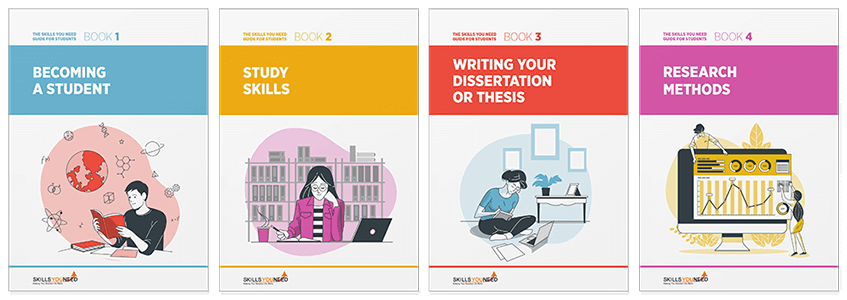
The Skills You Need Guide for Students

Develop the skills you need to make the most of your time as a student.
Our eBooks are ideal for students at all stages of education, school, college and university. They are full of easy-to-follow practical information that will help you to learn more effectively and get better grades.
Conclusion
No matter where a learner begins - whether returning to education after many years, navigating international systems, or pursuing new academic or professional goals - soft skills provide a reliable foundation for success. They strengthen confidence, open doors to opportunity, and help individuals adapt to an increasingly global and interconnected world.
While academic qualifications remain important, it is the development of human-centered skills such as adaptability, resilience, communication, and self-management that empowers learners to create meaningful, sustainable progress in both study and life.
Soft skills are not merely helpful; they are essential - and they are within reach for anyone willing to learn, grow, and embrace the journey ahead.
About the Author
Craig Lebrau is the CMO of Media Insider, a Wyoming-based PR company that aims to disrupt the way companies communicate their brand in the digital era.