


What Skills Help You Respond
Effectively After an Accident
See also: Developing Resilience
Being involved in an accident is a highly stressful and disorienting experience, but your immediate response can significantly impact your physical safety, long-term recovery, and legal position.
In the chaotic moments following a collision or workplace incident, it is easy to let panic dictate your actions. However, by developing a core set of practical communication, organisational, and emotional skills, you can minimise the chaos of the situation, make clearer decisions under pressure, and navigate the aftermath with far greater confidence.
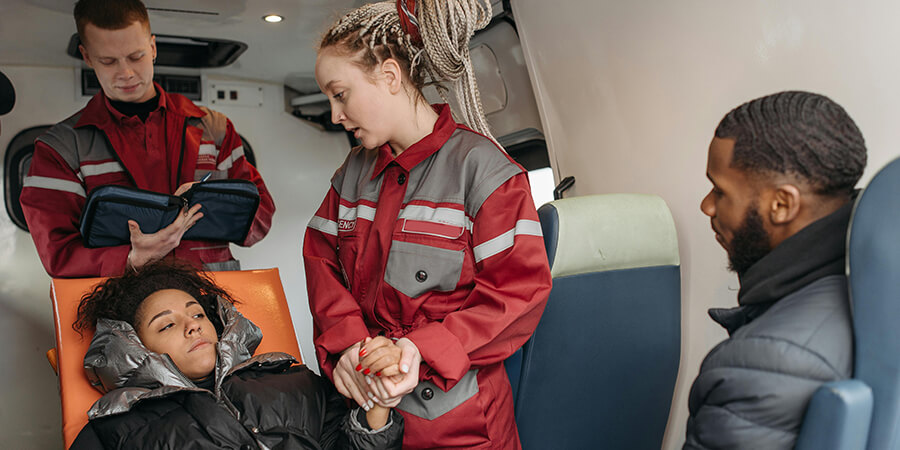
Staying Calm: The Foundation of Crisis Response
In the immediate aftermath of a sudden accident, your body naturally triggers a "fight or flight" response. This sudden surge of adrenaline and cortisol can cloud your judgement, making it difficult to think rationally. Panic often leads to poor, impulsive decisions, whereas maintaining your composure allows you to take charge of the situation safely.
Staying calm enables you to accurately assess any injuries, check on others involved, and determine the safest course of action. This emotional regulation is a critical component of personal development and crisis management. If you feel panic setting in, take a moment to pause. Focus on your breathing—inhaling slowly through your nose and exhaling through your mouth—to help regulate your nervous system before you take any action.
Effective Communication Under Pressure
Confusion and disorientation are common following an incident. Your ability to communicate clearly and concisely becomes your most vital tool. Whether you are speaking with emergency services, bystanders, or other involved parties, effective and targeted communication prevents dangerous misunderstandings and ensures help arrives promptly.
Speaking with Emergency Responders: First responders operate on facts. They require accurate, objective details to triage the situation correctly. When you call for help, clearly describe the exact location, the nature and severity of the injuries, and any ongoing current hazards (such as leaking fuel or blocked traffic). Speak slowly and answer their questions directly.
Exchanging Details with Others: Tensions can run extremely high after a crash, and blame is often thrown around in the heat of the moment. Use calm, neutral, and strictly factual language when swapping insurance and contact information. Do not admit fault or apologise at the scene, as this can be legally binding. Focus entirely on gathering details to avoid communication mistakes or unnecessary conflict.
Articulating Your Needs to Professionals: Later in the process, you will need to explain your physical and emotional state to medical professionals and insurers. Being precise about your symptoms, pain levels, and emotional state ensures you receive appropriate care. Vague communication can lead to delayed diagnoses or undervalued insurance claims.
Decisive Action and Scene Assessment
In a chaotic environment, every second counts. Decision-making must be fast, objective, and prioritised around physical safety. You must assess the scene for ongoing danger before doing anything else.
First, evaluate if it is safe to remain where you are. If you are involved in a minor collision on a busy road and the vehicles are drivable, traffic laws usually dictate that you should move the vehicles to the hard shoulder or a safe lay-by to prevent secondary accidents. However, if there are serious injuries, vehicles should generally not be moved until emergency services arrive.
Gathering and Documenting Evidence
Gathering evidence is another time-sensitive decision that requires a methodical approach. If it is safe to do so, document the scene comprehensively before vehicles are towed or debris is cleared.
Photographic Evidence: Take clear photographs of all vehicles involved from multiple angles, highlighting the points of impact. Photograph the wider road conditions, weather, traffic signs, and any visible damage to public property.
Witness Details: Independent witnesses are crucial. Collect contact details from anyone who saw the incident occur, as they often leave once emergency services arrive.
Written Records: As soon as you are safely able to do so, write down your own account of exactly what happened while the memory is fresh. This factual record is invaluable for insurance claims and helps prevent disputes over liability weeks or months later.
Navigating the Administrative Aftermath
Once the immediate physical danger has passed and you have returned home, the focus shifts to recovery and administrative tasks. Dealing with insurance companies, claims adjusters, and medical evaluations requires immense patience and strong organisational skills.
Seeking Prompt Medical Attention
Never ignore the need for a comprehensive medical evaluation, even if you feel perfectly fine in the hours following the accident. As mentioned earlier, adrenaline can effectively mask the pain of underlying injuries, such as whiplash, concussions, or internal trauma. Symptoms for these conditions often do not present themselves until 24 to 48 hours later.
A prompt medical assessment not only protects your physical health but also provides a vital official record of your condition immediately following the incident. This documentation forms the foundation of any future personal injury claims.
Understanding Your Rights and Negotiating Insurance
Navigating insurance claims can be a complex and highly bureaucratic process. You must understand exactly what you are entitled to regarding vehicle repairs, medical coverage, rehabilitation costs, and potential lost wages due to time off work.
Create a dedicated file to keep meticulous records of all correspondence, receipts, medical reports, and travel expenses related to the accident. Insurance companies are businesses, and their initial settlement offers are frequently lower than what you may be entitled to. When discussing compensation, strong negotiation skills are essential. Do not feel pressured to accept the first offer, and consider seeking independent legal counsel if the claim is complex or involves severe injuries.
Building Emotional Resilience for Long-Term Recovery
The psychological impact of an accident can last far longer than the physical injuries. Processing the traumatic event is a vital, yet often overlooked, part of your overall recovery journey.
Acknowledge Your Feelings: It is completely normal to experience a wide range of intense emotions, including shock, anxiety, anger, or survivor's guilt. Recognising and validating these emotions, rather than suppressing them, is the first critical step toward managing them effectively.
Utilise Proactive Coping Strategies: If you experience flashbacks or panic when getting back behind the wheel, practical techniques such as deep breathing, mindfulness meditation, or guided journaling can help ground you when anxiety spikes. These consistent practices are fundamental to looking after your mind and slowly rebuilding your confidence.
Seek Professional Support: You do not have to navigate post-accident trauma alone. If you find yourself struggling with persistent anxiety, sleep disturbances, or intrusive thoughts that interfere with your daily life, do not hesitate to consult a therapist or counsellor. Professional support can provide structured coping mechanisms, such as Cognitive Behavioural Therapy (CBT), to help you process the trauma safely.
Further Reading from Skills You Need

The Skills You Need Guide to Life
This two-part guide is an easy-to-read summary of the essential skills you need for a healthy mind and body.
The first eBook, Looking After Yourself, covers some of our most popular content and will help you to live a happier, healthier and more productive life.
The second eBook, Living Well, Living Ethically, considers how you can live your best life all the time. It helps you to answer the question: how can I avoid having too many regrets about my life?
Conclusion
While you cannot always predict or prevent an accident from occurring, you retain complete control over how you respond to the aftermath. By applying clear communication, objective decision-making, meticulous organisation, and proactive emotional resilience, you can navigate both the immediate crisis and the subsequent long-term recovery process effectively. Healing takes time, but equipping yourself with these practical skills ensures you are in the strongest possible position to regain your routine and protect your well-being.
About the Author
Adam Mark is a communications specialist and content strategist who focuses on practical life skills, crisis management, and personal resilience. Outside of his professional work, he enjoys long-distance walking and exploring local history.