

Leading the Deskless: 7 Skills for Managing a Frontline Workforce
See also: Leading PeopleAround 2.7 billion people worldwide work without a desk. Roughly 80% of the world's employed population work in frontline or deskless roles. Leading them well takes a specific kind of skill.
These people may be on factory or shop floors, hospital wards, delivery routes, or outside. They move all day, and they rarely open an inbox.
Yet they carry your brand, your service, and your reputation in every single shift.
As their leader, the skills that matter most are your soft skills, and you can build these starting today.
Here are the seven soft skills that make the biggest difference.

7 Essential Soft Skills Every Frontline Manager Needs
-
Listen With Real Empathy
Your team sees problems before you do. The customer complaint, the worn-out machine, the safety risk: they spot it first. Empathy turns those early signals into information you can act on.
Make space for what your team carries:
- Ask open questions about their shift, then stay quiet and let them answer fully.
- Watch the unspoken signs, like a shift in tone, body language, or a quieter than usual crew.
- Follow up on what you hear, so people know their words led somewhere.
When people feel heard, they tell you more. And the more they tell you, the better you lead.
-
Adapt Your Approach to the Moment
Frontline work changes by the hour. A calm morning can turn into a rush, a staffing gap, or an equipment failure before lunch. Managers who lead well read the moment and shift their style to match it.
Situation Adaptive response Sudden rush or surge Step in beside the team, give short clear directions, praise the effort once it settles New or nervous team member Slow down, pair them with a steady peer, check in often Repeated process error Pause, ask what is getting in the way, fix the system before the person Low morale on a hard shift Acknowledge the effort openly, share the reason behind the work
Reading these moments and responding appropriately can help build trust more effectively than policies alone.
-
Communicate So Every Shift Hears You
Frontline communication breaks down fast when it leans on email or a break-room notice board. Only 10% of frontline workers say they have good access to the tools, tech, and opportunities they need to connect and advance at work. Strong managers close that gap with channels built for people on the move.
Build communication habits that travel with your team:
- Send short, specific updates that fit a 30-second read between tasks.
- Confirm the message landed by asking for a quick reply or a thumbs-up.
- Repeat the day's priorities out loud at the start of every shift.
Sometimes a message needs a voice, not a notification. Push-to-talk services such as Peak PTT let a manager talk to one teammate or the entire floor through a single button on a phone or rugged handset. The range covers a single building or a fleet spread across the region, which makes it a fit for drivers, field crews, and multi-site teams alike.
When you can be heard the moment you speak, decisions reach the front line while they still make a difference.
-
Build Trust by Delegating Real Ownership
Frontline managers cannot be everywhere at once. The strongest leaders hand real decisions to their team and step back.
Give a shift lead authority over the floor. Let a senior nurse mentor the new hire. Trust people with outcomes, not only tasks.
Ownership grows confidence, and confident teams solve problems without waiting for you. Start small, set a clear boundary, and widen the responsibility as trust builds.
Each time someone rises to a challenge you handed them, your whole team gets stronger.
-
Recognize Good Work in a Way That Lands
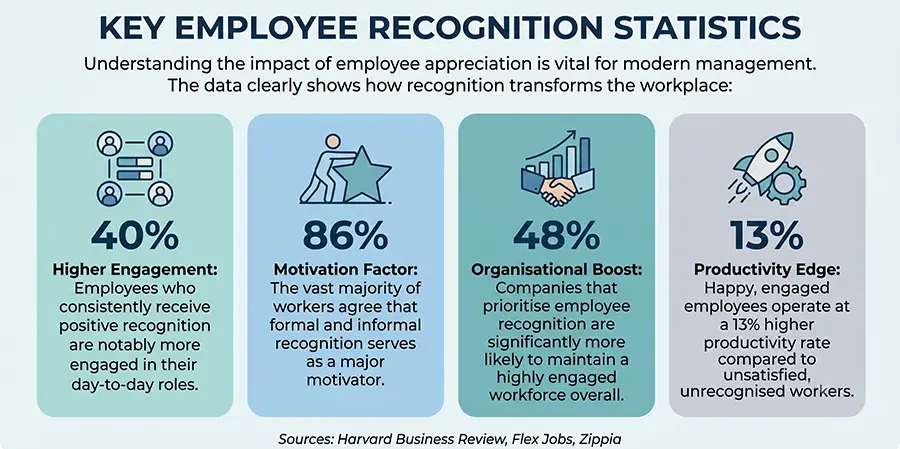
Recognition fuels frontline teams, yet it often slips through the cracks. Only 43% of deskless workers feel seen and appreciated at work. Closing that gap costs little and returns a lot.
Make appreciation specific and timely:
- Name the exact action, like "you calmed that customer beautifully," rather than a vague "good job."
- Recognize people in front of peers when it suits them, and privately when it suits them more.
- Tie praise to the values you want repeated, so the behavior spreads across the team.
Small, honest recognition delivered often beats a grand gesture once a year.
-
Resolve Conflict Before It Spreads
Tight spaces, long shifts, and high pressure naturally create friction. A skilled frontline manager steps toward conflict early, calmly, and fairly. Hear both sides fully before you weigh in. Focus on the behavior and the fix, never the person's character.
Keep the conversation private, keep your tone even, and agree on a clear next step everyone understands. Handled well, a resolved disagreement leaves the team more united than before. Handled late, the same friction quietly drains morale across every shift.
-
Stay Calm and Decisive Under Pressure
When something breaks mid-shift, your team looks to you first. Your steadiness sets the tone for the entire floor. Take a breath, gather the key facts quickly, and make the call.
A clear, timely decision beats a perfect decision that arrives too late. Explain your reasoning in a sentence so the team understands the why, then move forward together. Each decisive moment you handle with composure teaches your people that the floor stays steady, even when the day does not.
Conclusion: Your Frontline Mirrors the Leader You Choose to Be
Leading a deskless team rewards the manager who shows up with these seven skills shift after shift. Clear communication, real empathy, adaptability, trust, recognition, fair conflict resolution, and calm decisions form a foundation your people feel every day. None of them require a fancy title or a big budget. They require attention, practice, and care.
Start with one skill and work it until it feels natural. Then add the next. Your team will rise to meet the leader they see, and your whole operation grows stronger for it.

About the Author
Ben Hadley doesn’t buy into “the way it’s always been done.” He’s spent his career challenging hiring norms and rethinking how remote work should feel. At Remployee, he helps create honest tools and opportunities for people tired of the gig economy’s empty promises.