


Enhancing Soft Skills Through
Creative Expression in the Digital Age
See also: Understanding Creative Thinking
Nowadays in the active labor market, mere technical knowledge is insufficient. Today, employers place increasing value on soft skills such as communication, emotional intelligence, problem-solving, and adaptability. Creative expression, in particular the use of digital mediums, is one of the most underutilized ways to enhance these competencies.
Creativity may not have always been accessible to all, previously having been confined to the arts studio, but digital technology brings the pathway of self-expression closer than ever to more people. Tools powered by AI provide a convenient means through which users can visualize their ideas, express emotions, and improve the process of their personal development.
This article explores the potential of digital creativity tools as a means of promoting and developing essential soft skills in the modern workplace.

How Digital Creative Expression Enhances Soft Skills
Creativity as a Gateway to Better Communication
Effective communication is a requirement in any workplace scenario. Whether it's writing clear emails, giving a presentation, or working in a group, the skill of presenting ideas is crucial. Visual communication plays a massive role in this process.
Tools like an AI photo generator provide an intuitive way to visually represent abstract thoughts or concepts. For example, a facilitator can use generated visuals to demonstrate complex themes like resilience or strategic vision during a leadership training session. This process of creating thought-stimulating images from simple text prompts allows teams to initiate more vivid and reflective conversations than could possibly be achieved through text alone.
Because these tools are smooth and simple to operate across devices, they can be easily used during spontaneous brainstorming or collaborative workshops. Within seconds, professionals can create visuals that steer meaningful conversations and enhance storytelling.
Emotional Intelligence: Seeing Beyond Words
Emotional intelligence is another essential soft skill, requiring individuals to perceive, regulate, and understand not only their own emotions but also those of other people. Creative tools offer a unique approach to expressing emotions graphically, especially when words fall short.
Facilitators can utilize a free AI art generator to support group exercises on emotional self-awareness. By typing a phrase that describes a complex mood—such as feeling "uncertain but hopeful"—the tool responds by generating expressive artwork that serves as a visual representation of those feelings. These visual indicators facilitate intense, constructive communication within teams, promoting vulnerability, empathy, and open dialogue.
Unlike conventional painting or designing, which might require specialist expertise, digital generative tools let the user concentrate entirely on expressing the emotion rather than worrying about technical execution. This directly aids in expansion and self-reflection; two important pillars of emotional intelligence.
Collaboration and Visual Problem-Solving
Working together implies an open interchange of communication, showing respect towards other opinions, and finding joint solutions. This collaborative process can be vastly simplified by the use of visual aids, particularly during team-building or creative workshops.
In a remote teamwork exercise, for example, a group might be tasked with creating a brand identity for a hypothetical startup. Using digital prototyping or generative design tools, team members can quickly turn their rough ideas into visual drafts. This assists the group in weighing the contributions of others in a practical way and making joint decisions in a shorter time span. It also raises self-esteem, especially among members who are not traditionally design-savvy.
This rapid iteration confirms the benefits of visual collaboration tools in speeding up the exchange of ideas, making decisions, and reaching compromises—all of which are key soft skills in any work environment.
Building Adaptability Through Hands-On Experimentation
One of the most important soft skills in a rapidly changing world is adaptability, or the capacity to cope with change and navigate new challenges. Digital creativity platforms are ideal settings in which to experiment without fear of failure.
When learning to use these tools, individuals must experiment with various concepts on a trial-and-error basis. This cycle is the very essence of adaptability: make a move, evaluate the results, improve the method, and iterate.
Because modern digital tools provide incredibly fast feedback loops, they facilitate agile learning. Users become accustomed to crossing between ideas and platforms easily, proving their comfort with rapid changes and honing their ability to become quick thinkers.
Confidence and Self-Empowerment
A healthy dose of confidence applies to quite a number of soft skills, from public speaking to persuasion and negotiation. When individuals invent something out of nothing and eventually get to see it realized on a screen, there is an immediate boost in their perceived capacity.
By engaging with digital creation tools, individuals who frequently feel inadequate about their so-called "artistic" capabilities can still create something unique and visually appealing. Such achievements contribute to an increased disposition for risk-taking, encouraging them to actively contribute to meetings or initiate novel projects.
By dissolving systemic limitations to creative expression, digital technologies foster a growth mindset, which acts as the foundation for strong interpersonal and leadership abilities.
Practical Applications for Professional Growth
The integration of digital creativity is not just hypothetical. Forward-thinking organizations are actively utilizing these toolsets in corporate workshops, leadership training, and team-building sessions to support the development of soft skills:
Generative imagery helps teams visualize abstract corporate concepts such as trust, cross-functional collaboration, and strategic innovation.
Digital art platforms serve as an intellectual and emotional icebreaker during team wellness check-ins, allowing staff to express complex sentiments visually.
Rapid prototyping tools empower employees to pitch ideas boldly, backing up their proposals with professional-looking mockups that demand to be taken seriously.
Further Reading from Skills You Need
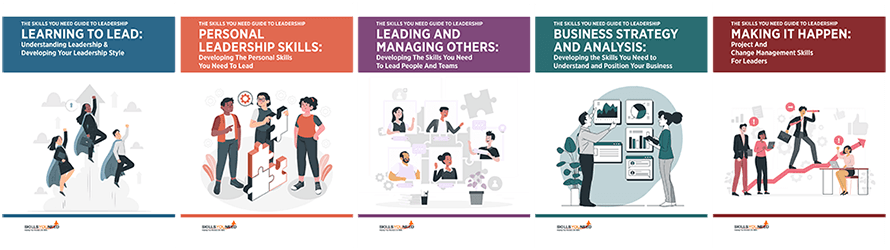
The Skills You Need Guide to Leadership eBooks
Learn more about the skills you need to be an effective leader.
Our eBooks are ideal for new and experienced leaders and are full of easy-to-follow practical information to help you to develop your leadership skills.
Conclusion
Soft skills are not just theoretical concepts; they are built through experience, communication, and self-expression. Modern digital creativity platforms provide a highly accessible, innovative means of cultivating these essential attributes.
By giving individuals the opportunity to visualize ideas, play with concepts, and share their perspectives in a safe, judgment-free environment, these tools add immense value to both professional and personal growth. Whether you are a corporate coach, an educator, a team leader, or a professional interested in brushing up on the skills that matter most, embracing digital creative expression can open entirely new avenues for enhancement.
Let your soft skills develop by following your creative instinct.
About the Author
Julian Court is a Corporate Training Facilitator and organizational psychologist with 8 years of experience in talent development. He specializes in designing innovative, tech-enabled workshops that help teams build emotional intelligence, adaptability, and collaborative problem-solving skills in the digital age.