

Tai Chi And Developing Balance And Body Awareness
See also: The Importance of ExerciseMovement that previously seemed to be automatic might demand increased attention as you grow older. Rotating, walking on an uneven surface, or standing on a single foot can occasionally feel less stable. Balance changes can also cause you to be more cautious in day-to-day activities. Over time, that caution can affect how freely and confidently you move.
Tai Chi provides a relaxing means of exercising physical control while involving the mind. Tai Chi movements are typically slow and controlled, prompting you to observe your posture, weight distribution, breathing, and body movement. As a result, balance, body awareness, concentration, mindfulness, confidence, and general well-being can be supported by regular practice.
Here are five ways Tai Chi can help you develop better balance and body awareness while supporting physical and mental well-being.
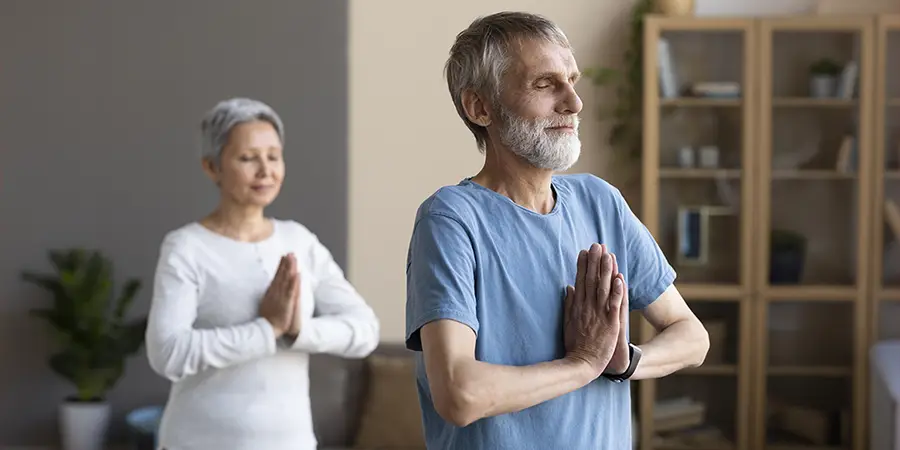
How Tai Chi Supports Balance and Body Awareness
-
Improve Balance and Stability
Tai Chi involves slow, coordinated forms of action that make you carefully shift your weight. You can also lift one foot up and bring another down without changing your position. The slower pace gives you time to notice how your body responds to each change. With regular practice, you can become more familiar with the adjustments that help you maintain stability.
Weight shifting is an important part of balance. When you change direction or move from one place to another, your body must adjust. Tai Chi enables you to practice those adjustments at your own pace. In addition, the way your feet and legs support your body is another aspect to which you can become more attentive.
For older adults, Tai Chi for seniors can be part of a broader approach to maintaining mobility and confidence. Tai Chi does not guarantee that you will avoid falls. However, regular practice may help you become more attentive to balance, posture, and controlled movement during everyday activities.
-
Build Body Awareness and Control
Body awareness means recognizing where your body is positioned and how different parts move. Tai Chi encourages you to focus on each movement instead of completing a sequence as quickly as possible. You may notice your shoulder position, foot placement, breathing, or the way your weight moves through your legs.
Proprioception also supports body awareness. Your muscles and joints send information to your brain about the position and movement of your body. Tai Chi challenges your ability to use that information through changes in stance, weight shifts, and coordinated movements. With consistent practice, you may become more conscious of how your body responds to different positions.
Greater body awareness can support better movement control outside your practice sessions. You may notice when your footing feels uncertain or when your posture has changed. That awareness gives you an opportunity to slow down and adjust. You can apply the same skill when walking, reaching, sitting, standing, or changing direction.
-
Strengthen Focus and Concentration
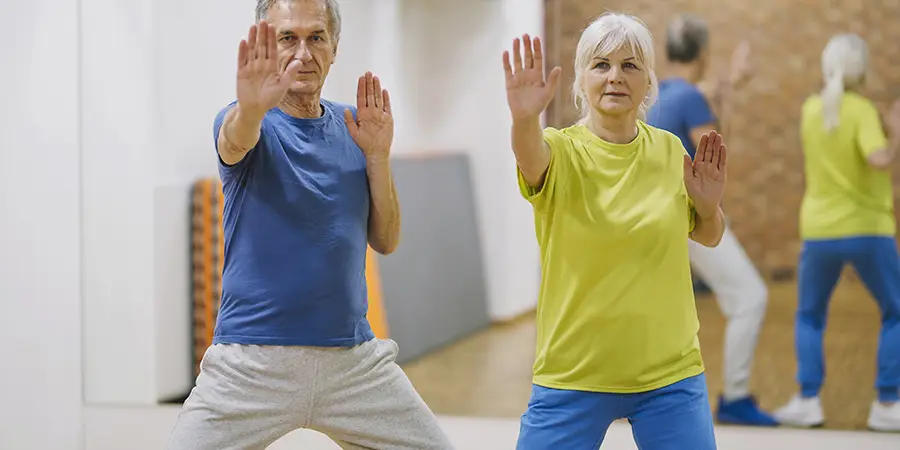
Tai Chi requires more mental attention than its gentle pace might suggest. You need to remember movement sequences, follow instructions, coordinate different parts of your body, and maintain a steady rhythm. Each movement gives you another opportunity to practice sustained concentration.
Focus can also help you recognize small changes in your physical state. You may notice when your shoulders become tense, your breathing changes, or your weight shifts too quickly. Paying attention to these signals allows you to adjust your movement rather than continuing automatically. That connection between attention and movement can strengthen your overall body awareness.
Tai Chi may also encourage patience with the learning process. You do not need to master every movement during your first few sessions. You can focus on one sequence at a time and gradually improve your control. That approach can help you develop greater attention to detail while making physical activity feel manageable and rewarding.
-
Support Mindfulness and Calm
Tai Chi often combines slow movement, controlled breathing, and focused attention. Instead of thinking about several distractions at once, you can concentrate on your current position and movement. This present-moment focus is closely connected with mindfulness and can make your practice feel both physically and mentally engaging.
Mindfulness can also help you recognize how your body feels while you move. You may notice muscle tension, fatigue, discomfort, or changes in breathing. Recognizing those signals can encourage you to adjust your pace and avoid pushing yourself unnecessarily. You can also become more aware of when your body feels relaxed and comfortable.
A calm movement routine can support emotional well-being as part of a healthy lifestyle. Tai Chi does not eliminate stress or guarantee a particular mental health outcome. However, setting aside time for slow movement, breathing, and concentration can give you a useful break from daily distractions. You can use that time to reconnect with your body and settle your attention.
-
Build Confidence and Independence
Balance, body awareness, concentration, and mindfulness can work together to support greater confidence. When you understand how your body moves and responds, you may feel more comfortable performing everyday activities. Greater awareness can also help you recognize your limits and make sensible choices about when to slow down or ask for assistance.
Tai Chi can form part of an active lifestyle that supports independence. You can combine it with walking, suitable strength exercises, stretching, and other activities that match your abilities. Staying physically active can help you remain engaged with daily life, while activities that require focus can give you opportunities to practice sustained attention.
Safety should remain part of your approach to staying active, especially if you live alone or have concerns about falls. Practice Tai Chi in a clear, stable space and choose movements that match your current abilities. If you have significant balance concerns, consider seeking professional advice before beginning a new exercise routine, and if an unexpected emergency occurs, a medical alert system can provide an additional layer of support.
Conclusion
Tai Chi can support more than physical fitness. Its controlled movements give you opportunities to practice balance, body awareness, posture, and movement control. Focused sequences can also encourage concentration and mindfulness. Even a short daily session can help the movements and attentional habits become more familiar. Together, these physical and mental benefits can support confidence, independence, and overall well-being as you age.
You can start with a few minutes in a clear, comfortable space. Focus on slow movements, steady breathing, and how your body responds rather than trying to move perfectly. Choose instructions that match your abilities, and speak with a healthcare professional if you have significant balance or health concerns. With regular practice and sensible safety measures, Tai Chi can become a valuable part of your healthy-aging routine helping you to pay attention to your body, regulate movement and remain focused—skills that can be useful beyond the exercise itself.
About the Author
Rebecca Smith is a writer and content contributor who focuses on topics related to healthy aging, wellness, and personal independence. She enjoys exploring practical approaches that support physical and mental well-being, including gentle activities such as Tai Chi, and can often be found unwinding with a strong cup of green tea after a long outdoor walk.