


Skills You Need to Succeed with
Project Management and 10 Essential
Dashboards to Boost Efficiency
See also: Project Management Skills
Managing multiple projects simultaneously can be overwhelming. With deadlines looming, data scattered across different platforms, and stakeholders needing constant updates, it's easy to lose track of progress. While project management dashboards are designed to help you stay organised, simply having the right tools is not enough—you must also cultivate the right skills to use them effectively.
A project management dashboard consolidates your essential project details into easy-to-read visuals, allowing you to manage tasks, allocate resources, and collaborate more efficiently. However, to truly harness their power, a project manager must blend these technical tools with well-honed soft skills like communication, analytical thinking, and leadership. This guide explores ten essential types of project management dashboards and the critical skills you need to master each one, transforming them from simple displays of data into powerful drivers of project success.
What Makes an Effective Project Management Dashboard?
Before diving into specific examples, it's important to understand what a good dashboard should offer. At its core, an effective project management dashboard provides clarity. It should be customisable to your unique project needs, offer interactive visualisations for deeper insights, and facilitate seamless team collaboration. When these features are combined with your own skills, they become a powerful combination for boosting efficiency.
Success hinges on the soft skills you bring to the table. For example, a customisable dashboard requires adaptability to adjust the display as project priorities shift. Interactive visuals are only useful if you have the analytical skills to interpret the data. And collaborative features are wasted without strong communication to keep everyone aligned.
-
Project KPI Dashboard
A Key Performance Indicator (KPI) dashboard provides a high-level, at-a-glance view of the most critical metrics for your project. This often includes KPIs like Budget vs. Actual Spend, Schedule Variance (are you ahead or behind?), and Task Completion Rate. Its purpose is to give you and your stakeholders a quick, clear snapshot of the project's overall health without getting lost in the details.
The Skill You Need: Analytical Thinking. This dashboard is more than a report card; it's a diagnostic tool. To use it effectively, you need strong analytical skills to interpret the data. Don't just see that the budget is overspent; ask *why*. Is it due to a single unexpected cost, or a systemic issue with your initial estimates? The ability to see beyond the numbers, identify patterns, and draw actionable insights is what makes this dashboard a powerful tool for proactive management, not just reactive reporting.
-
Time Tracking Dashboard
A time-tracking dashboard provides a detailed breakdown of how your team's time is being spent across various projects, clients, and tasks. It helps you monitor billable hours, understand where effort is being concentrated, and identify potential inefficiencies in your workflow. This is crucial for managing project profitability and ensuring your team's workload is balanced.
The Skill You Need: Leadership and Empathy. In the wrong hands, a time-tracking dashboard can feel like a tool for micromanagement. A great project manager uses it with leadership and empathy. Instead of just monitoring hours, use the data to support your team. If you notice someone is consistently spending more time on a task than expected, it might not be a performance issue; it could be a sign that they need more training or that the task itself is more complex than anticipated. Use this data to start supportive conversations, not to cast blame.
-
Project Risk Management Dashboard
This dashboard is essential for proactively identifying, assessing, and managing potential project risks. It provides a centralised overview of potential issues, their likelihood of occurring, their potential impact, and the status of any mitigation plans. It allows you to move from a reactive "firefighting" mode to a proactive state of risk management.
The Skill You Need: Problem-Solving. A risk dashboard is a list of problems waiting to happen. To master it, you need strong problem-solving skills. It is not enough to identify a risk; you must be able to analyse its root cause, brainstorm potential solutions, and develop a clear, actionable mitigation plan. This dashboard gives you the early warning you need, but your problem-solving abilities are what will ultimately drive the solutions that keep your project on track.
-
Project Budget Dashboard
This dashboard provides a clear, real-time comparison of your project's planned budget versus its actual spending. It helps you track expenditures, monitor for budget deviations, and analyse spending patterns to ensure your project remains financially healthy. This is a critical tool for project managers and finance teams alike.
The Skill You Need: Commercial Awareness. To use this dashboard effectively, you must have a strong sense of commercial awareness. This means understanding not just *what* is being spent, but *why*. Are you getting good value from your suppliers? Is a particular phase of the project costing more than expected, and what does that mean for the profitability of the overall project? A manager with commercial acumen can use this dashboard to make smart financial decisions that protect the project's bottom line.
-
Issue Tracker Dashboard
This dashboard helps you track and manage the resolution of specific project issues as they arise. It monitors the number of issues created, their status (open, in progress, resolved), and the time it takes to resolve them. It is perfect for teams that need to focus on quick problem-solving and maintaining project health.
The Skill You Need: Organisation and Prioritisation. When issues arise, it can be easy to get overwhelmed. An issue tracker dashboard requires excellent organisational skills to ensure that nothing falls through the cracks. It also requires the ability to prioritise. Not all issues are created equal; you must be able to quickly assess which issues are critical blockers and which can be addressed later, ensuring that your team's energy is always focused on the most important problems first.
-
Multiple Project Management Dashboard
For managers overseeing several projects at once, a multiple project (or portfolio) dashboard is essential. It provides a high-level, "bird's-eye" view of all your projects, allowing you to track their overall status, identify which ones are at risk, and allocate resources effectively across the entire portfolio.
The Skill You Need: Strategic Thinking. This dashboard requires you to think like a strategist, not just a manager. You must be able to look across all your projects and make high-level decisions. For example, if two projects are competing for the same limited resource, which one is more critical to the company's overall goals? The ability to zoom out from the day-to-day details and make strategic choices is what makes this dashboard a powerful tool for portfolio management.
-
Executive Dashboard
An executive dashboard offers a simplified, high-level view of project performance specifically designed for senior leadership. It focuses only on the most critical metrics and progress milestones, allowing executives to make informed decisions quickly and efficiently without getting bogged down in operational details.
The Skill You Need: Stakeholder Communication. The key to using this dashboard effectively is understanding your audience. Executives are time-poor and need information presented in a clear, concise, and easily digestible format. You must be able to synthesise complex project data into a simple narrative that answers their key questions: Are we on track? Are we on budget? What are the biggest risks? The ability to communicate progress to stakeholders in this way is a vital leadership skill.
-
Google Analytics Dashboard
For marketing, web development, or any project with a digital component, a Google Analytics dashboard is crucial. It provides an overview of key website metrics such as sessions, users, new users, and average engagement time, helping you track the performance of your digital assets in one central place.
The Skill You Need: Data Literacy. To make the most of this dashboard, you need to be data literate. This means not just reading the numbers, but understanding what they represent and how they connect to your project's goals. For example, an increase in website sessions is good, but if the average engagement time is low, it might indicate that the content is not resonating with your audience. The ability to interpret digital metrics correctly is essential for making smart, data-driven decisions.
-
Google Calendar Dashboard
Meetings are a significant part of any project, and a Google Calendar dashboard can help you analyse how your and your team's time is being spent. It can track recurring and ad-hoc meetings, break down the time spent in different types of meetings, and help you assess their overall effectiveness.
The Skill You Need: Time Management. This dashboard is a powerful tool for improving your own and your team's time management. Use it to ask critical questions: Are we spending too much time in status update meetings that could be an email? Are the right people in the right meetings? By analysing this data, you can make strategic changes to your meeting culture, freeing up valuable time for more productive work.
-
Team Collaboration Dashboard
Modern dashboards often integrate with communication tools like Slack or Microsoft Teams, creating a central hub for collaboration. This type of dashboard can show task assignments, comment threads, and file sharing activity, helping to keep everyone on the same page.
The Skill You Need: Fostering a Collaborative Culture. A tool can facilitate collaboration, but it cannot create it. To make this dashboard effective, you must actively foster a culture of open communication and teamwork. This means encouraging team members to share updates, ask questions, and offer help within the platform. Your role as a project manager is to lead by example, using the tool consistently and creating an environment where everyone feels comfortable contributing.
Further Reading from Skills You Need
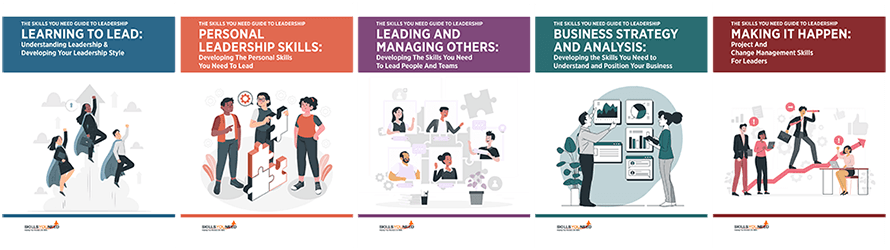
The Skills You Need Guide to Leadership eBooks
Learn more about the skills you need to be an effective leader.
Our eBooks are ideal for new and experienced leaders and are full of easy-to-follow practical information to help you to develop your leadership skills.
Conclusion
Project management dashboards are powerful tools that can dramatically enhance efficiency by providing clear, real-time insights into your projects. However, they are only as effective as the person using them. By consciously developing the critical soft skills that correspond to each type of dashboard—from analytical thinking and leadership to strategic communication and problem-solving—you can elevate these tools from simple displays into powerful engines for project success.
By blending the right tools with the right skills, you can streamline your workflow, empower your team, keep stakeholders informed, and ensure success across all your projects.
About the Author
Stefan Jovanovic is a Marketing Specialist at Coupler.io, a data analytics and reporting platform. Passionate about exploring various marketing tactics and outreach strategies, he has demonstrated his ability to craft successful marketing initiatives that drive engagement, generate leads, and increase conversion rates. Stefan is also a multifaceted creative interested in photography, social media, and writing.