

Demonstrating Negotiation Skills
Before Buying a Car:
The Real Test of Smart Purchasing
See also: What is Negotiation?
A handshake used to seal the deal. Now, it's strategy, psychology, and timing. When purchasing a vehicle, you're not just choosing between horsepower and hybrid—you're stepping into one of the most revealing real-life scenarios for your successful negotiation skills and negotiation strategies. And the stakes? Thousands of dollars.
But still, how to demonstrate negotiation skills? Let's be honest. Most buyers hesitate. They fear confrontation, don't want to appear cheap, or simply lack the tools to confidently engage. But imagine having the upper hand—not by being aggressive, but by mastering essential negotiation skills rooted in clarity, confidence, and empathy.
The Mechanics of Car Buying as a Negotiation Arena
The successful negotiation process for a car is different. It's immediate, high-stakes, and involves two or more parties each with financial and emotional investments. Sellers aim for maximum profit. Buyers hunt for value. The dance between these objectives creates space for mutually beneficial solutions—if you know how to navigate it.
Before even speaking with the other party, get armed with facts. Sites like VINgurus.com allow you to scan vehicle history reports using the VIN. These insights expose hidden damage, mileage inconsistencies, and ownership records—turning your position from passive to powerful in a single click.
When conflict arises, strong negotiation strategies transform tension into win-win solutions. Below are the foundational steps to gaining the upper hand:
-
Build Rapport Before You Talk Price
Enter the lot, not with your wallet first, but your curiosity. Strong communication skills start with showing interest in the car and the seller's story. Learn to build rapport—it's your first move toward a positive outcome.
Ask open questions. Show genuine attention. Many skilled negotiators use relationship building as their foundation. Why? Because once trust is built, negotiated agreement comes easier—the other party feels heard.
-
Active Listening: A Secret Weapon in the Price War
Active listening doesn't mean nodding while plotting your counteroffer. It's about absorbing the other party's perspective. Mirroring their concerns, acknowledging their position, and asking clarifying questions can unlock doors no discount ever could.
Listen actively to catch verbal cues: urgency to sell, emotional attachment, or subtle flexibility. A business manager may hint at quarterly targets. A private owner may signal personal urgency. This emotional layer influences the final number far more than MSRP.
-
Body Language Speaks Louder Than Bold Offers
Step back. Watch the feet. Are they facing the exit? Crossed arms? Shifty eyes? Reading their body language gives you a nonverbal advantage.
Your posture matters too. Sit upright, relaxed. Make steady eye contact. Don't rush the handshake. Even silence—when used strategically—can act as a powerful negotiation tactic.
Key Competencies for a Successful Deal
To navigate the complexities of a dealership or private sale, you must balance analytical data with interpersonal intuition.
-
Hard Skills vs. Soft Skills: Which Matters More?
You've crunched the numbers, calculated depreciation, and studied residual value. That's your hard skills package—factual, measurable, analytical. Empathy, timing, and intuition represent your soft skills—the difference between a negotiation that works and one that falls apart. Balance both; without soft skills, your spreadsheet becomes sterile. Without hard skills, your charm lacks backbone.
-
Emotional Intelligence Turns Talks into Triumphs
The best negotiators feel the room. They know when to push and when to pause. This is emotional intelligence. Spot frustration in a tight-lipped seller or sense eagerness in their readiness to throw in extras. Staying calm when tension rises shows you're more than just logical—you're strategic.
-
Uncover the Other Party's Motivation
Every car has a story and every seller has a reason. Are they upsizing? Leaving the country? Flipping cars for vendor agreements? Understanding their motive changes how you steer the negotiation. A family man upgrading to a minivan is not the same as a dealer clearing inventory. Adjust your tone, timing, and offer accordingly.
-
Prepare Before You Step into the Ring
Good negotiation skills begin long before the first conversation. Prepare your negotiation techniques. Know your numbers—not just price, but taxes, registration, and insurance. Check the going price for similar cars and come equipped with alternatives. Your best alternative to a negotiated deal is walking away, and that should always be an option.
-
When Creative Solutions Seal the Deal
Smart solutions aren't tricks. One buyer offered to finalize the sale the same day in cash when they couldn't match the asking price; the seller agreed. Another offered a referral to a client. This is evidence that problem solving is a key negotiation tool when both parties want the sale but on different terms.
Real-Life Negotiation Principles in Action
Imagine a buyer enters a dealership armed with research. Rather than diving into price, they initiate a conversation about the vehicle's condition, then subtly shift toward value. Understanding core principles—like knowing your alternatives and focusing on interests—elevates negotiation from instinct to strategy.
-
Conflict Resolution, Without Conflict
Disagreements don't end the deal—they open up opportunities. If a seller won't budge on price, suggest including a service plan. If the car has minor damage, propose a fee adjustment or tire replacement. Embrace objections as part of a problem-solving journey. Show the other party that you're here to solve, not just to win.
-
Effective Negotiation Means Knowing When to Pause
Rushing kills deals. Skilled negotiators know the power of silence. Ask a question, then wait. Pauses invite the other party to reveal more—their hesitation, their flexibility, or their urgency. This moment is where effective negotiation takes root. It's not always about speaking more; it's about listening better.
-
When Past Negotiations Teach Future Lessons
Past negotiations become the blueprint for future ones. Reflect on what worked and what didn't. Were your negotiation tactics clear? Did you read the other party well? This feedback loop makes you sharper, ensuring you don't repeat the same mistakes in the next transaction.
-
Alternative to a Negotiated Deal: Walk Away Power
Don't be afraid to use your leverage. If the seller won't meet your bottom line, the best outcome might be walking. Mention another vehicle you're considering or an upcoming car auction. Let them know you're prepared—not pressured. That's the hallmark of a confident negotiation.
Constructive Feedback and Closing the Loop
In rare cases, feedback can soften a rigid seller. "I like the car, but it's $1,000 above comparable listings." This isn't confrontation—it's structural feedback. People are more likely to revise their stance when they don't feel attacked. This closes the loop—transforming resistance into possibility.
Creative Tactics for First-Time Buyers
New to car negotiation? Use checklists. Bring a friend with experience. Role-play the negotiation process before arriving. Practice phrasing like: "What's the best you can do on this?" These tools train your brain to stay sharp and present during high-pressure interactions.
From Emotion to Logic: Making Informed Decisions
Avoid buying on impulse. The paint job or the leather seats can distract you. Return to logic. Ask yourself: Does the car meet your needs? Is the price right after inspection and VIN verification? That's how you make decisions—not from pressure, but through analysis and clarity. Combine facts with emotion for precision.
The Role of Human Resources and Interpersonal Growth
While negotiation impacts HR departments and executive leaders, here it's about personal growth. Every negotiation sharpens your empathy, decision-making, and ability to see another perspective. From dealership deals to vendor arrangements, mastering negotiation helps in life, business, and relationships because it's fundamentally about people.
Conclusion
Buying a vehicle reveals more than financial planning; it's a crash course in psychology, persuasion, and poise. Whether you're using active listening, showing emotional intelligence, or reading the other side's perspective, each decision shapes the final successfully negotiated agreement.
Next time you're at the lot, see it as more than a transaction. It's a moment to test and grow your successful negotiating skills—not just for car buying, but for life.
Further Reading from Skills You Need
The Skills You Need Guide to Interpersonal Skills eBooks.
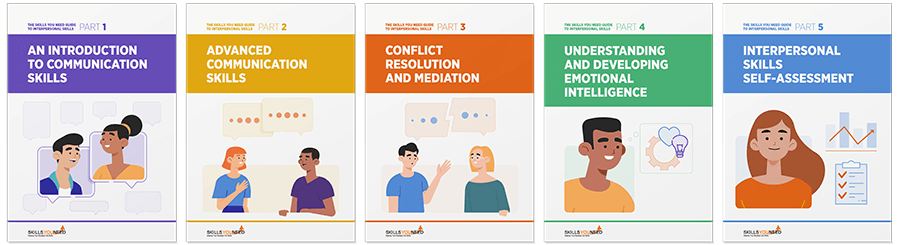
Develop your interpersonal skills with our series of eBooks. Learn about and improve your communication skills, tackle conflict resolution, mediate in difficult situations, and develop your emotional intelligence.
FAQ
Can good negotiation skills really lower the price of a car?
Absolutely. Strategic negotiation backed by data and empathy often leads to better deals, add-ons, or fee waivers.
How can I practice negotiation before buying a car?
Use mock scenarios with friends or mentors. Research common negotiation techniques, role-play, and gather feedback.
What's the biggest mistake during a negotiation?
Focusing only on price. Smart buyers explore trade-ins, warranties, and long-term costs, not just the sticker.
How do I know when to walk away from a deal?
If the seller resists transparency or your best alternative offers more value, walk away. Confidence matters.
Can introverts be strong negotiators?
Yes—often better than extroverts. Their strength lies in active listening, thoughtful pauses, and effective communication.