

Lifelong Learning Through Hobbies: How Collecting Coins Expands Your Knowledge
See also: Effective Decision MakingPeople who collect coins often know much more than you might expect. Much more. Some of their skills would even look good on a CV.
Patience. An eye for detail. A habit of checking what you are told before you repeat it. Nobody sets out to learn any of that. These skills develops through practice, and can then extend beyond the hobby into everyday life.
Can you picture losing something so important that an entire nation ends up with a new coin? This happened in Canada in 1986. A shipment of master dies for the new one-dollar coin never reached Winnipeg. Originally, the design showed a voyageur in a canoe. The Royal Canadian Mint replaced it with a common loon because of concerns about counterfeiting. That's how the “loonie” got its name.
I love stories like this. You see a bird on a coin and wonder why it's there and before you know it you are reading about a lost shipment from the 1980s. That’s the joy of coin collecting. One small question leads to an unexpected twist.
Coin collecting can give you opportunities to practise skills such as patience, critical thinking and attention to detail, but those benefits don't happen automatically. The real learning comes when you recognise the skills you're using, reflect on what you've learned, and deliberately apply the same approach elsewhere, whether you're solving a problem at work, making an important decision or learning something new.
Self-Motivation: Learning Without a Grader
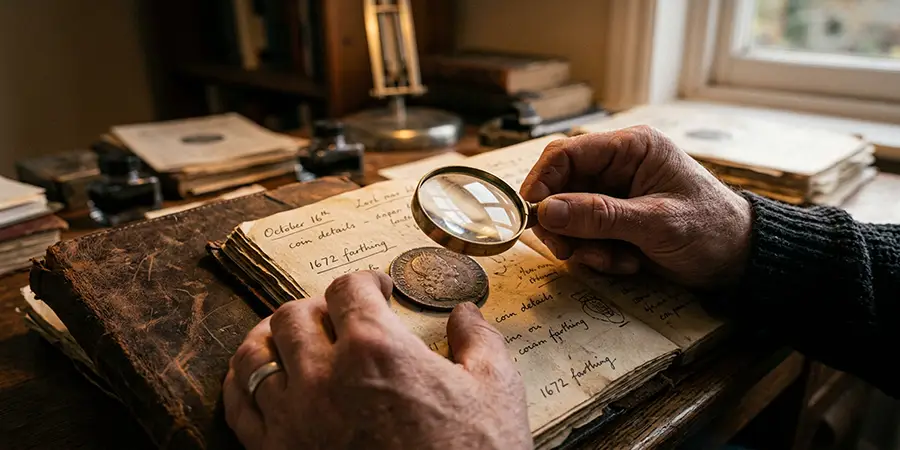
We go to school because we have an exam coming up. Sometimes, you have a deadline to meet at work. A hobby is something else. No one’s going to ask you if you remember the date on a Victorian penny.
You learn because you want to. For decades now motivation researchers have distinguished working for a reward and working for the love of the activity itself. This second kind of motivation can keep curiosity alive throughout life.
There’s no one way to build a collection. A grandfather hands someone a vintage tin of loose change. Someone develops a passion for ancient Greek coins. Others have moved to modern commemorative coins such as Royal Canadian Mint collector coins honouring everything from Arctic wildlife and Indigenous art to national anniversaries.
Where you begin doesn't really matter. The main thing now is what comes next. You see it. You pose a question. You follow where it takes you.
Find three things you do not know about it.
The same thing shows up at work in whoever picks up a new tool without being told to. Nobody scheduled that either. Pick one thing you have never properly understood and give it twenty minutes this week.
Learning is a beautiful thing because no one can ever take that from you.
— B.B. King
Patience Is A Virtue
Ask a coin collector which coin they want most. They probably have been looking for it for years. And when it does appear? Usually right after they’ve blown their money on something else.
You learn to be patient. Maybe the coin is in bad shape or the price is too much. And so you let it be. That’s the same kind of patience you need when you’re saving up for something big or resisting the urge to send that angry email.
Wait a week before buying the next thing you really want and see whether you still want it.
Critical Thinking: How to Fact Check Yourself
Found a rare coin on the internet? Never accept the first price offered to you. One seller wants £200, another says it’s worth £20 and someone on a forum swears it’s priceless. So you look in an old catalogue, compare a few sources and ask questions. That coin, is it that rare? How do you know? And are they trying to flog it?
This critical thinking is a good habit to get into, especially when you are fact-checking a dubious headline. Check your sources and verify answers with at least two other trustworthy and independent sources.
Attention to Detail: The Little Things That Most People Don’t See
Have you ever examined a coin closely? That little letter may tell you the place where it was made. A doubled number could be a minting error worth hundreds of times the coin’s face value. Even the scratches tell a story.
What most of us walk right past, collectors see. And that eye for detail comes in handy for other things, like reviewing a contract or finding a mistake in a spreadsheet.
Check the edges and both sides too. "What are you seeing?" Are there scratches, or signs of use?
Then do the same with something you signed recently. A contract, a tenancy agreement, a phone bill.
Decision-Making When Information Is Incomplete
Is that a real coin? Is that the right price? Or do you want it because someone else is selling it? These are the kind of questions coin collectors always ask. Sometimes you take a chance and get it wrong. I have certainly talked myself into buying things I didn’t really need. The trick is remembering that feeling next time.
These same decision making skills are vital whenever you pick a tradesman from three quotes, or take a job without really knowing what the team is like. You decide on what you have in front of you, not on what you wish you had.
For one week, cap your small decisions at ten minutes. On Friday, check how many of them actually went wrong.
A Word of Wisdom
Don’t go out coin collecting thinking you are going to get rich. Prices go up and down and a lot of collections are worth less than their owners paid for them.
Buy coins that you like. If they're worth something one day, great. If not, you have a collection you like, anyway.
Perspective: Seeing It From Another Side
The Roman denarius was more than just a coin. The emperor's portrait reminded people who ruled the empire. It also had financial problems, as seen in Nero’s devaluation of Roman silver coinage in the 60s AD.
Take a look at the steel pennies produced in the US in 1943. Steel was used as copper was needed for the war effort. Then there's the hole in the Japanese 5 yen coin, or the designs on the back of euro coins. Each one is a story from the land that issued it.
That’s one of the things I really love about collecting. You pick up an everyday object and start thinking about the people who used it. What could they have bought with it? Who carried it? What was going on in their country at the time?
Try to link the coin to something bigger, such as a historical event, a specific person or an economic choice. Then take the same approach to a person, maybe someone at work whose decisions puzzle you. Try to see the world through their eyes and what their life and week looks like. Small practices like this can help develop your empathy and shed new light on the people and world around you.
Organisation: Keeping Track of What You Have
A dozen coins will fit easily in a shoebox. But a few hundred is a different story. Most collectors will need some type of system at some time. They begin to record dates, mint marks and where each coin was found. Some use spreadsheets, some catalogues or even handwritten notes. Some have a list of coins they hope to find in the coming year.
They’re learning basic organising skills without even knowing it. The Royal Canadian Mint's introductory collecting resources explain some common collecting terms, different ways to build a collection and how to care for coins.
Start a list of what you own. One line each, and keep it where you will actually find it.
Communication: Introduce Yourself to People You Likely Won’t Speak to Otherwise
Coin collecting can be solitary, but it need not be lonely. You may meet people at a coin fair you would not normally have anything in common with. Bankers compare their results with those of bus drivers. Retired teachers speak with students. A collector with 40 years of experience teaches you something new.
You learn to ask the right questions. Listen to someone who knows more than you do. You can even learn to haggle for a price without it becoming a fight. And if you are not comfortable meeting new people it is much easier to make conversation if you have something in common.
Most jobs require good communication skills as you rarely get to pick the people you work with.
Conclusion
Coin collecting can be much more than a way to build a collection. It can provide opportunities to practise patience, critical thinking, attention to detail, organisation, decision-making and communication. These skills become even more valuable when you recognise how you use them and deliberately apply them beyond the hobby. The patience involved in researching a coin can help you avoid rushing an important decision; the habit of checking a coin’s history can encourage you to question information before accepting it; and keeping accurate collection records can strengthen your approach to organising work or managing everyday responsibilities.
The key is to reflect on what each experience teaches you. When you encounter a challenge, ask yourself which skills helped you respond, what you could improve, and where else you might use the same approach. You do not need to collect coins to benefit from these lessons, either. Any hobby that encourages curiosity, problem-solving and steady practice can support lifelong learning. By recognising and applying the skills you develop through your interests, you can turn enjoyable activities into opportunities for personal growth that extend into your working life, relationships and everyday decisions.
About the Author
Lena Tabnert is an English copywriter with a love for well-told stories, curious details and the kind of facts that make you stop and look twice. She writes about everyday topics with a clear, engaging style and enjoys exploring the unexpected connections between history, culture and modern life.