

The Best Way to Decide Where to Go to College
See also: Online LearningFor many young adults and returning mature students, choosing which college or university to attend is one of the first major life choices they will ever make. It is a decision that will profoundly shape your academic future, influence your professional network, and define your personal growth for the next several years.
However, with thousands of higher education institutions available globally—ranging from massive state universities to intimate liberal arts colleges and specialized technical institutes—the sheer volume of options can feel entirely overwhelming. The pressure to make the "perfect" choice often leads to decision paralysis.
Fortunately, the process of selecting a school does not have to be stressful. By breaking down your priorities into manageable categories and systematically evaluating your options, you can effectively filter out the noise and identify the institutions that truly align with your goals. From analyzing financial aid packages to assessing the campus culture, here are ten essential steps to help you confidently decide where to go to college.

10 Steps to Finding Your Ideal College
-
Make a List of Your Core Needs
Before you ever look at a university ranking list, you must sit down and explicitly define what you want out of your college experience. Deciding your non-negotiable needs early on will help you ruthlessly narrow down your choices. For example, is a highly active, social campus vital to you? If so, you might want to target a larger institution with a prominent student union and multiple clubs.
Another critical thing to factor in is your personal support requirements. For example, will you require specific classroom accommodations for a learning difference, or outside mental health support? Check to see what robust support services the schools offer, such as accessible tutoring centers or on-campus counseling. Write down this list of needs, and ensure that any university on your shortlist genuinely checks your most important boxes.
-
Visit the Campus in Person
While you can accomplish a tremendous amount of research online, nothing replaces the visceral experience of visiting a campus in person. A physical tour gives you a highly accurate feel for the overarching atmosphere and daily rhythm of the school. It provides you an invaluable chance to connect face-to-face with professors, speak candidly with current students, and assess the actual condition of the facilities—from the laboratories to the dormitories.
Try to attend several different campus visits so you have a realistic baseline to compare your experiences against. During the tour, take meticulous notes of the things you liked and disliked; this will make it significantly easier to remember specific details when you are making your final decisions months later. Be sure to have targeted questions ready for your tour guide, such as inquiries about average class sizes or weekend campus life.
-
Take Time to Do Thorough Research
Even though your current academic schedule is likely incredibly busy, you must dedicate the necessary time to deeply research different schools. Look far beyond the glossy marketing brochures. Read independent online student reviews, actively engage in virtual college tours if you cannot travel, and scrutinize the graduation and employment rates of their alumni.
Furthermore, familiarize yourself with the specific application processes for your target schools, as they can be lengthy and complex. In the United States, for example, you generally apply through centralized portals like the Common App or directly via the school's website. Keep in mind that this process will also include application fees that can add up quickly if you are applying to a dozen different institutions.
-
Carefully Consider Your Financial Budget
Higher education is a massive financial investment. For context, attending college in the US can cost tens of thousands of dollars annually even for an in-state public college—and international or private tuition can be substantially higher. Keep in mind that your baseline tuition does not cover textbooks, meal plans, housing, and transportation.
Therefore, practicing smart money management is essential. Look for schools that have a strong reputation for offering generous financial aid packages and merit-based grants. Depending on your region, you may secure government funding (such as the FAFSA in the US or Student Finance in the UK). Always compare these final financial aid offers meticulously so you understand exactly what your out-of-pocket expenses and future debt burden will be.
-
Pay Close Attention to the Location
Deciding geographically where you want to study is a monumental lifestyle decision. You want a place that suits both your climate preferences and your social needs. For example, do you thrive in a bustling, cosmopolitan city with endless nightlife and professional networking opportunities? Or do you prefer a traditional, enclosed "college town" that fosters a tight-knit, localized sense of community?
Keep in mind that your location will directly impact your overarching costs. Going to a school far out of state or internationally will usually raise your baseline tuition drastically and introduce heavy travel expenses for holidays. Conversely, staying somewhat local can save you thousands in housing and travel.
-
Research the Available Academic Programs
If you have already firmly decided on your major or intended career path, this immediately helps narrow down your choices. Look exclusively for colleges that boast highly ranked departments in that specific subject. Read peer-reviewed literature about the professors, check their industry accreditations, and verify the quality of their specialized facilities.
However, if you are currently undecided, you can still make a highly strategic choice. In this case, consider a comprehensive liberal arts school or a larger university with a vast array of available majors. That way, you can freely explore your career interests before committing. In addition to traditional programs, online options offer phenomenal flexibility—especially for students seeking a non-traditional path. Programs such as the online Associate of Arts in Liberal Arts, which covers a broad mix of subjects like humanities, social sciences, and natural sciences, provide a highly flexible way to sample different areas and earn foundational credits toward a degree without the rigid requirement to attend classes on campus.
-
Consider the Average Class Size
The average class size of an institution heavily influences its overall academic vibe and your personal learning experience. For example, smaller schools and boutique colleges often cap their classes at twenty students. These intimate environments allow you to build deep, personal relationships with your professors and peers, making it much easier to secure personalized recommendation letters and mentorship.
On the other hand, larger state universities often feature massive lecture halls with hundreds of students. While this environment requires more self-discipline and independence, these larger schools typically offer a vastly wider variety of niche majors, hundreds of extracurricular clubs, and high-quality, heavily funded research facilities.
-
Notice the Campus Environment and Culture
Visiting the campus—or extensively browsing student-run forums—is an excellent way to gauge the overarching cultural environment. You need to determine if you genuinely align with the overarching values and social pace of the student body. Think deeply about what you want to do outside of your scheduled classes.
For example, if you are highly athletic and crave school spirit, look for a college with a prominent, well-funded sports program and weekend tailgates. If you are highly artistic, seek out a college that heavily encourages creative expression, hosts local gallery nights, and features thriving theater societies. The culture outside the classroom is just as important as the curriculum inside it.
-
Look into Career Services and Resources
Ultimately, going to college is a strategic stepping stone designed to help you secure a fulfilling career or advance to a higher degree. Therefore, you must find a school equipped with an aggressive, well-connected career center. Research exactly what professional services are available to undergraduates.
Do they frequently host massive on-campus job fairs featuring top-tier recruiters? Do they offer resume workshops and rigorous mock interviews? A university is only as good as the networking opportunities it provides. Check if they have direct pipelines to prestigious internships and a highly active, fiercely loyal alumni network willing to hire recent graduates.
-
Trust Your Intuition and Instincts
Choosing a college requires careful, logical planning and meticulous spreadsheet comparisons. However, once you have narrowed down your list to the top three or four schools that meet all your academic and financial criteria, the final decision often comes down to your gut feeling. If you step onto a campus and immediately feel a profound sense of belonging and excitement, that is a highly positive indicator.
Remember, this is ultimately your life and your education. Try not to let the loud, outside opinions of well-meaning friends, parents, or high school guidance counselors sway you away from a school that feels intrinsically right for you. Balance your logical research with your personal intuition to find your perfect academic home.
Further Reading from Skills You Need
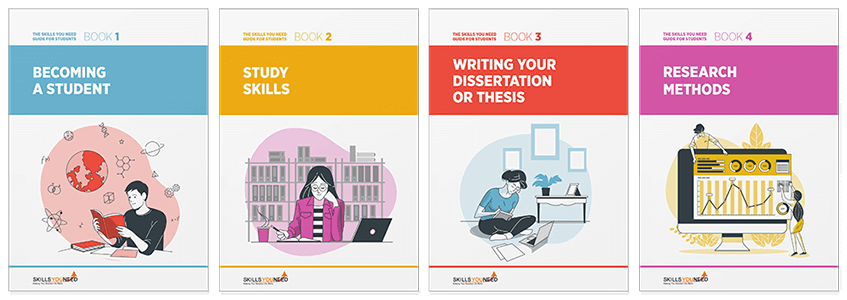
The Skills You Need Guide for Students

Develop the skills you need to make the most of your time as a student.
Our eBooks are ideal for students at all stages of education, school, college and university. They are full of easy-to-follow practical information that will help you to learn more effectively and get better grades.
Conclusion
Choosing a college is a big decision that will undoubtedly shape the trajectory of your adult life. It is entirely normal to feel a degree of anxiety as application deadlines approach. However, by transforming this massive, intimidating choice into a systematic series of actionable steps, you regain absolute control over your future.
By defining your core needs, aggressively researching financial aid, touring diverse campuses, and critically evaluating career support systems, you strip away the marketing hype and focus on what truly matters. Take a deep breath, trust the meticulous research you have conducted, and listen closely to your intuition. The right college is out there waiting for you, ready to help you unlock your fullest potential.
About the Author
Amy Roman is an independent higher education consultant and former university admissions officer. She specializes in helping prospective students navigate the complex college application process, secure vital financial aid, and discover academic programs that align with their long-term career goals. When she isn't touring university campuses or reviewing application essays, Amy enjoys practicing vinyasa yoga and testing out new plant-based recipes in her kitchen.