


What If SOPs Were Built Like Lego Sets
for Human-Centered Work?
See also: Critical Thinking Skills
Standard Operating Procedures often get a bad reputation. They can feel like rulebooks designed to constrain rather than guide. But what if SOPs were built with the same intuitive logic as a Lego set? Just like each Lego piece has a shape, a function, and a place, an SOP can be broken into interlocking steps that support action and understanding.
Reframing SOPs in this way positions human needs at the center of procedural design. Soft skills such as communication, empathy, and problem-solving become the connective tissue between modular steps, enabling each process to serve people—not just systems. When procedures reflect how people actually work and collaborate, they promote better outcomes across roles and departments.
Modular Design Reinforces Clear Thinking
A modular SOP allows processes to be split into clear, actionable chunks. This approach supports both consistency and adaptability. When one step changes, only that module needs adjustment—not the entire workflow.
Encouraging Process Awareness and Change Management
Segmenting SOPs teaches team members to think critically. Understanding what each module achieves promotes clarity and fosters autonomy. During onboarding, for instance, a module like “Compliance Briefing” often requires staff to convert onboarding PDFs to editable Office docs, making interaction with the process smooth and error-free.
Thinking in modules also nurtures pattern recognition—a soft skill that enhances the ability to apply old knowledge to new problems. The ability to trace cause and effect across modular processes builds organizational insight and sharpens focus on outcomes.
When processes evolve, modular SOPs allow teams to revise one element without disrupting the whole. By applying emotional intelligence and empathy, team leaders can manage change with less resistance and more understanding. Creating space for feedback during updates ensures buy-in and invites reflection—a key component of adaptive team cultures.
Visual SOPs Foster Communication and Learning
SOPs that rely solely on text risk overwhelming or confusing the reader. Introducing diagrams, decision trees, or step-by-step visuals simplifies complex processes. These visual enhancements reduce onboarding time and reinforce accuracy.
Making Information Intuitive Strengthens Mentorship and Knowledge Transfer
A visual SOP bridges the gap between knowledge and action. It empowers team members to make decisions confidently because the expectations are clear. Visual content reduces misinterpretation, supporting trust and reducing the need for constant supervision.
Clarity in communication is one of the most foundational soft skills—especially when processes require collaboration between departments or individuals with different experience levels. Practicing this clarity in visual documentation encourages a mindset of transparency and intentionality.
When visual SOPs are used as teaching tools, they also double as mentorship frameworks. Senior team members can use them to coach less experienced staff, developing communication and empathy in both directions. This reinforces intergenerational knowledge transfer and cultivates a learning-oriented workplace.
Shared Systems, Shared Success
Reusability improves more than efficiency—it strengthens team alignment. When SOP modules are shared across teams, expectations become transparent and consistent.
Strengthening Cross-Functional Trust with Role Clarity and Accountability
Shared SOPs promote shared language. A team that handles customer service might use the same “Escalation Protocol” module as a technical support team. This consistency builds trust and reduces miscommunication.
Designing SOPs with soft skills like active listening and collaboration in mind ensures they remain practical—not theoretical. Encouraging interdepartmental workshops to review and improve shared SOPs builds confidence and encourages diverse perspectives to shape best practices.
Reused SOP modules clarify roles and responsibilities. When each person sees where their task fits in, they're more likely to commit to excellence. SOPs designed with role clarity in mind support accountability without micromanagement, encouraging team members to take ownership.
Intelligence Built into the Workflow
SOPs improve when the inputs driving them are timely and relevant. Automation tools that pull enriched data into workflows reduce manual errors and speed up execution. Businesses increasingly rely on using AI to streamline business processes and decision-making to make these enhancements possible.
Adapting SOPs with Discernment
While automated inputs improve accuracy, interpreting their output still depends on human judgment. SOPs should guide users on how to act on data, not just how to collect it. Making sense of enriched information requires analytical thinking and decisiveness—skills that can’t be automated.
Encouraging discussion around conditional decision points in an SOP fosters critical thinking. Team debriefs that review how automated outcomes were handled help reinforce a feedback culture rooted in analysis and humility.
Culture Shapes the SOP Ecosystem
No SOP framework can thrive without a culture that values process and participation. Teams must feel safe sharing feedback and contributing new modules. When people are part of the system’s evolution, they’re more likely to respect and use it.
Transparency, Elevating Psychological Safety and Trust
Building a visible, accessible SOP library allows everyone to understand how things work and why. Transparency fosters accountability, while a collaborative editing process encourages ownership. Soft skills like humility, adaptability, and clarity help maintain that momentum.
Trust is the foundation of any adaptable SOP culture. When teams are encouraged to ask questions and voice concerns without fear of judgment, improvements become more inclusive. Emotional intelligence, patience, and supportive listening all serve as the scaffolding for this type of open exchange.
Coaching SOP Use for Professional Growth
Beyond execution, SOPs serve as platforms for development. Teaching someone how to follow an SOP is an opportunity to strengthen their ability to learn, communicate, and reflect.
Building Communication Through Process Fluency
Training staff on SOPs provides a chance to practice articulating thought processes, asking clarifying questions, and giving peer feedback. These interactions develop clarity, persuasion, and interpersonal tact—skills that support growth far beyond the task at hand.
Encouraging employees to take part in SOP creation or revision helps them develop initiative and strategic awareness. When you connect day-to-day processes to professional skill-building, SOPs become instruments for empowerment.
Further Reading from Skills You Need
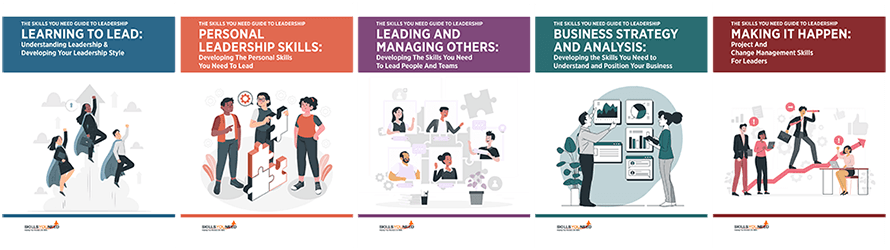
The Skills You Need Guide to Leadership eBooks
Learn more about the skills you need to be an effective leader.
Our eBooks are ideal for new and experienced leaders and are full of easy-to-follow practical information to help you to develop your leadership skills.
Conclusion: SOPs as Dynamic Tools for Human-Centered Work
A SOP isn’t just a checklist—it’s a shared understanding. When SOPs are built like Lego sets—modular, visual, and flexible—they support a culture of clarity, confidence, and cooperation. They help employees move beyond compliance and into collaboration, creativity, and growth.
By aligning structure with soft skills, teams create systems that don’t just function, but evolve. With the right foundation, your procedures can become more than steps to follow—they become tools that support learning, trust, and excellence at every level.
About the Author
Adam Mark is a passionate writer and expert in blogging niche with a keen interest in education, content strategy, SEO, and emerging tech. With 4 years of experience, he enjoys sharing actionable insights to help others grow and succeed.