


The Skills of a Good IT Staff Augmentation Team
See also: Effective Team-Working SkillsIn today’s fast-moving digital environment, many organisations rely on IT staff augmentation to access the right expertise at the right time. While technical proficiency remains essential, it is no longer the only factor that determines whether an augmented professional will integrate successfully with an existing team. Modern workplaces are increasingly distributed, fast-paced, and collaborative, which means soft skills now play a central role in how effectively people communicate, adapt, and contribute.
The ability to build rapport, manage expectations, navigate cultural differences, and work productively with new colleagues often determines the success of a project just as much as technical knowledge.
As a result, soft skills have become a defining strength for IT specialists working in flexible and diverse environments.
Why Soft Skills Are Essential in Distributed and Hybrid Teams
Along with technical knowledge, soft skills are crucial in IT staff augmentation because these skills allow seamless integration and collaboration in distributed and hybrid teams. Soft skills like adaptability, communication, time management, and teamwork enhance productivity and enable the business to achieve its goals.
How Soft Skills Influence Productivity, Communication, and the Speed of Onboarding
Soft skills are very important in IT augmentation as they ensure that the augmented staff will function efficiently with the existing team to deliver a project successfully. Technical skills are important, but they are incomplete without key soft skills. An IT professional who cannot explain their ideas properly or collaborate with the team will struggle. Soft skills will amplify technical capabilities and make the workplace more productive. Employees with soft skills will improve their prospects and contribute to the growth of the organization.
The Role of Flexible Skills When Working with External Teams, Clients, and Internal Stakeholders
Flexible skills are extremely important when working with diverse stakeholders and teams. These skills help professionals adapt to changing situations. According to newwavedevs, a leading IT staff augmentation company, adaptability, communication, a problem-solving mindset, emotional intelligence, and a flexible attitude allow people to integrate better with teams, build trust, and resolve conflicts, which eventually leads to better project outcomes.
Why Companies Choose Specialists Not Only For Their Technical Skills
Modern-day businesses realize the importance of hiring the best technical help for digital transformation and to fulfill projects successfully. Most of them also realize that having the right soft skills is as important as technical knowledge, academic background, and experience.
When finding specialists, businesses often select professionals not just for their technical skills, but also for the valuable soft skills they bring to a team or project.
According to the findings of this report, 67% of employers felt that they value soft skills more than educational qualifications when hiring. The study was carried out among 500 employers in the UK. This is what Kevin Fitzegerald, UK managing director of Employment Hero, had to say: “A candidate could have the world’s most impressive educational background, but if they are unable to communicate their own potential, think creatively to solve problems, work effectively with colleagues, or even turn up on time for meetings, they are not the right fit.”
Further, in a Wall Street Journal survey that was conducted among 900 executives, 92% felt that soft skills are as important as technical skills.
Key Soft Skills Required For Effective Work
Here are some of the most valued soft skills that can improve teamwork, enabling the success of the project.
Communication & Collaboration – Effective communication skills can greatly improve workplace productivity. They reduce the chance of a misunderstanding and enhance decision-making. For example, clear communication in a team setting will ensure alignment of the responsibilities and goals and prevent overlooked tasks and the duplication of efforts. Both written and verbal communication will help in explaining complicated tasks, brainstorming, and the proper alignment of the team with the overall project and business goals. Effective communication will create a more collaborative and efficient work environment.
Adaptability & Flexibility – These character attributes allow individuals to make the necessary adjustments and respond to unexpected changes, new information, or evolving needs. The person will be able to adjust to project changes, learn new systems and processes quickly, and become an expert in new tools. This will allow the professional to manage and benefit from new opportunities.
A Problem-Solving Mindset – There can be complicated situations when professionals have to work with different teams. Problem-solving skills will be very useful here. A good problem solver will be able to analyze issues from different angles and come up with innovative and creative solutions.
Responsibility & Self-Discipline – Self-discipline and responsibility are key traits for success. A sense of responsibility enables the professional to own choices, actions, and their outcomes, which are all very important in the workplace. Self-discipline provides control over thoughts, behavior, and impulses. It also helps us overcome procrastination.
Team Culture Awareness – Modern-day IT businesses have professionals working in remote and hybrid teams where the members come from varied backgrounds. Respecting and understanding the diverse backgrounds, underlying cultural nuances, social norms, and communication styles within a group fosters inclusion and collaboration. This ultimately reduces misunderstanding and improves morale. Recognizing differences and similarities in how people communicate and work creates the foundation for success.
Feedback Skills – The ability to accept feedback involves listening and managing the emotional reaction. An open-minded attitude, listening to different points of view, and the ability to take rejection or constructive criticism positively can be the cornerstone of growth in the long term. These skills are particularly important in the workplace. All employers value professionals who are open to taking constructive feedback positively.
Conflict Management – There are bound to be disagreements. Conflict resolution skills will help in finding the underlying issues, managing the stakeholders, and focusing on solutions, instead of pinning the blame on someone.
Why Soft Skills Are Important for Clients
Most clients realize the importance of soft skills as they build trust, enable effective communication, problem-solving, empathy, and turn transactions into loyalty. The clients feel valued and heard, and not just served. Soft skills bridge the gap between human connection and technical abilities, making interactions smoother. Issues are resolved faster, and referrals and repeat business are encouraged.
How an IT Specialist Can Develop Soft Skills
Soft skills are essential in the modern-day workspace, especially in the IT staff augmentation area. IT specialists can develop these skills through conscious practice in daily tasks, by focusing on communication, problem-solving, developing emotional intelligence, and targeted training. They will all contribute towards building stronger relationships.
Some ways to develop these skills include:
Ask for and apply feedback – Seek feedback from peers and managers regularly.
Practice communication – Explaining technical issues to non-technical people improves clarity. Join public speaking events to build confidence.
Embrace teamwork – Join group projects, focus on listening at meetings, and build positive relationships.
Improve problem-solving skills – Take on unfamiliar new tasks. Break down complicated problems into small parts.
Emotional intelligence – Employers value professionals with a high EQ. Try to understand the perspective of a colleague to practice empathy. Journaling regularly can help in managing emotions and building self-awareness.
Observe and learn – See how experienced colleagues handle and adapt to different situations and learn from them.
Role-play – Practice presentations and conversations with trusted colleagues in a low-pressure situation.
How Companies Can Assess Soft Skills during the Hiring Process
Businesses can analyze soft skills during the hiring process through behavioral/situational interviews, psychometric/personality tests, practical role-playing exercises, and through structured questions that will measure the applicant’s adaptability, teamwork skills, emotional intelligence, and problem-solving abilities. There are many AI tools now that can help employers gauge their soft skill efficiency.
Successful IT staff augmentation should always blend soft and technical skills. Asking direct questions, psychometric/personality tests, and carrying out routine background checks are always a good idea. Remember, technical knowledge, experience, attitude, and expertise in soft skills are all equally important.
Further Reading from Skills You Need
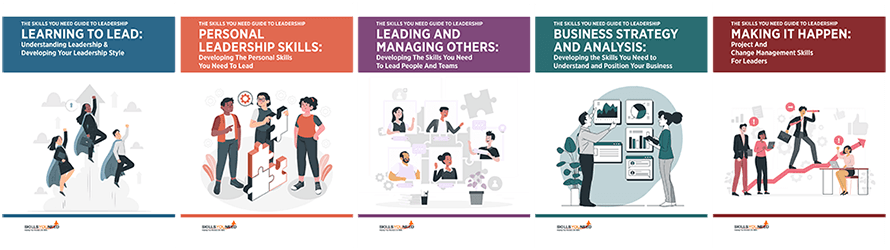
The Skills You Need Guide to Leadership eBooks
Learn more about the skills you need to be an effective leader.
Our eBooks are ideal for new and experienced leaders and are full of easy-to-follow practical information to help you to develop your leadership skills.
About the Author
Roman Oliinychenko is the CEO of New Wave Devs, a software development company specializing in IT staff augmentation and dedicated team solutions. With hands-on experience in matching technical talent with client requirements across fintech, e-commerce, and SaaS sectors, Roman helps businesses scale their development capabilities efficiently.