


Remote Onboarding:
8 Essential Skills for HR Professionals
See also: Selecting and Recruiting Skills
The rise of remote and hybrid work has fundamentally shifted how companies operate, placing unprecedented emphasis on how we welcome and integrate new employees.
Remote onboarding is no longer a temporary fix; it is a permanent cornerstone of modern talent acquisition. However, integrating staff from afar presents human resources teams with a complex set of unique challenges.
These challenges range from ensuring new hires feel genuinely connected to the company culture to providing them with the exact digital tools and knowledge they need to succeed. If not managed with precision, remote workers can quickly feel isolated, disengaged, or overwhelmed.
To successfully integrate a new employee, HR professionals must help them rapidly navigate digital workflows, understand unwritten cultural norms, and feel immediately valued. Here are the eight essential skills required to design and execute a flawless remote onboarding experience.

What is Remote Onboarding?
Remote onboarding is the structured process of integrating new employees into a company entirely through digital channels.
Rather than a makeshift protocol, modern remote onboarding is a highly strategic initiative. It involves familiarising new staff with company policies, practices, and culture using video conferencing, collaborative workspaces, and automated workflows. The primary purpose of remote onboarding is to ensure the employee quickly becomes a confident, effective, and fully contributing team member without ever needing to step foot in a physical office.
What Skills Do HR Professionals Need?
Executing a remote induction requires a delicate blend of high-level emotional intelligence and technical proficiency. Here are the eight critical skills you must develop.
-
Effective Digital Communication
Communication is the bedrock of remote onboarding. Without physical cues or the ability to ask a quick question across a desk, new hires can easily feel lost in a sea of generic orientation documents.
HR professionals must clearly articulate the onboarding roadmap. Actionable advice: Do not rely solely on email. Use a mix of synchronous communication (like Zoom check-ins) and asynchronous communication (like recorded Loom videos or Slack updates). Provide the new hire with a visual 30-60-90 day plan so they know exactly what is expected of them and who to contact for specific issues.
-
Technological Adeptness
Remote onboarding is entirely dependent on technology. You are no longer just handing over a printed employee handbook; you are curating a comprehensive digital ecosystem.
HR professionals must be comfortable navigating Learning Management Systems (LMS), HR Information Systems (HRIS), and digital signature platforms. Actionable advice: Conduct a "tech dry-run" before the employee's official start date to ensure their logins, email accounts, and software access are fully operational. Nothing stalls momentum faster than an employee spending their first three days locked out of the company intranet.
-
Empathy and Emotional Intelligence
It can be incredibly easy to forget how intimidating joining a new organisation can be, especially when doing so alone from a kitchen table. HR professionals must possess exceptional emotional intelligence to bridge this physical gap.
Remote onboarding can trigger imposter syndrome or feelings of isolation. Actionable advice: Implement "virtual coffee roulettes" or assign a dedicated peer buddy who is not their direct manager. Check in frequently with specific questions like, "What has been the most confusing part of your first week?" rather than a generic "How is it going?" This proactive empathy helps build psychological safety and trust.
-
Cultural Awareness and Inclusive Practice
When conducting remote inductions, making the new staff member feel like they truly belong—regardless of their location, background, or time zone—is an ongoing operational challenge.
It is vital to embed inclusivity practices from day one. Actionable advice: Ensure that your onboarding materials represent diverse voices within the company. Accommodate different learning styles by providing written guides, video tutorials, and live interactive Q&A sessions. Avoid scheduling mandatory training at hours that are unreasonable for employees logging in from different global time zones.
-
Advanced Organisational Skills
Onboarding is a multi-layered logistical puzzle involving IT, payroll, direct managers, and the new hire. Without rigorous organisation, crucial steps will inevitably be missed.
HR professionals must create meticulously structured plans. Actionable advice: Move away from messy email threads and utilize dedicated employee onboarding software to automate repetitive tasks like compliance tracking and document management. Use Kanban boards (like Trello or Asana) so the new hire can visually track their own onboarding progress and celebrate small wins.
-
Time Management and Prioritisation
Balancing the onboarding needs of multiple remote employees across different departments requires the ability to ruthlessly prioritise tasks and manage your own calendar effectively.
You must know when to step in and when to delegate responsibilities to line managers. Actionable advice: Batch your onboarding tasks. Dedicate specific windows in your week solely to reviewing new hire progress rather than reacting to ad-hoc messages all day. This ensures that all necessary steps are completed within the critical first month without overwhelming your own schedule.
-
Adaptability and Troubleshooting
Remote work environments are highly dynamic. Wi-Fi connections drop, software updates fail, and unexpected scheduling conflicts arise. HR professionals must remain highly adaptable under pressure.
Being adaptable means having contingency plans ready at a moment's notice. Actionable advice: If a live orientation session is disrupted by technical issues, ensure you already have a pre-recorded version of the presentation available to send out. Displaying agility in these moments prevents the new hire from feeling like the company is chaotic or disorganised.
-
Strong Relationship-Building Skills
Perhaps the most essential skill is the ability to forge genuine human connections through a screen. Building rapport is difficult when you cannot rely on casual office interactions by the water cooler.
Actionable advice: Facilitate structured virtual meet-and-greets during the first week. Create an onboarding cohort if multiple people are starting at the same time, giving them an immediate peer network. Small, tangible gestures, like sending a company welcome package (swag, a coffee mug, or a handwritten note) to their home address before their start date, make a massive impact on their sense of belonging.
Summary
Mastering remote onboarding is no longer an optional skill for HR professionals; it is a critical driver of employee retention, engagement, and long-term operational success. By combining technological proficiency with deep empathy and rigorous organisation, HR teams can transform a potentially isolating digital experience into a welcoming, highly structured introduction to the company culture. When new hires feel supported and connected from day one, they are empowered to contribute their best work, regardless of where their desk happens to be located.
Further Reading from Skills You Need
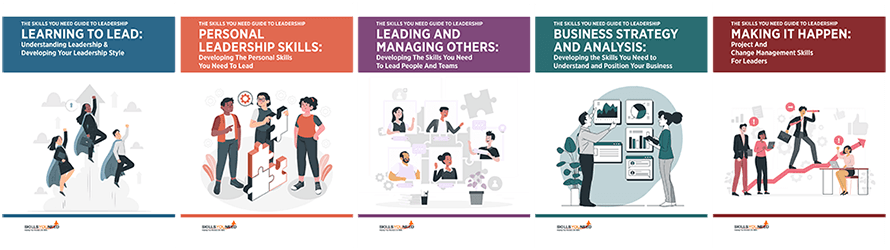
The Skills You Need Guide to Leadership eBooks
Learn more about the skills you need to be an effective leader.
Our eBooks are ideal for new and experienced leaders and are full of easy-to-follow practical information to help you to develop your leadership skills.
About the Author
Sarah Jenkins is a HR consultant with over a decade of experience designing remote-first workplace cultures. Passionate about employee wellbeing and digital integration, Sarah helps tech startups build onboarding programs that prioritise human connection over bureaucratic checklists. She spends her weekends attempting to master urban gardening and exploring local trails with her husband.