


4 Simple Ways to Motivate Retail Staff
Building a Motivational EnvironmentMotivating staff in any environment is a challenge, but the fast-paced, customer-facing nature of the retail industry can be particularly taxing.
The dramatic peaks and troughs in footfall—from chaotic Saturday afternoons to painfully slow Tuesday mornings—can make it incredibly difficult to maintain team momentum. However, the benefits of cultivating a happy, engaged workforce are well-documented. Highly motivated retail employees do not just drive more sales; they exhibit higher retention rates, reducing the time and financial strain of constantly recruiting and training new team members.
Beyond the bottom line, employee morale directly impacts the customer experience. With research indicating that nine out of ten consumers will abandon a purchase after receiving poor service, ensuring your team is upbeat and proactive is critical.
With that in mind, here are four practical, highly effective strategies to motivate your retail staff.
Break the Routine
First, take a moment to observe your team and identify what specific scenarios sap their motivation the most.
Different environments trigger different stress responses. For some teams, the overwhelming rush of a weekend shift causes anxiety, leading them to work less effectively. For others, the agonizingly slow pace of a quiet weekday morning leads to boredom and lethargy.
Once you identify the trigger, formulate a plan utilizing small, unexpected gestures to break the negative routine. For example, if busy Saturdays drain the team, introduce a "Saturday Sweet Treat" rota where staff take turns bringing in low-cost snacks to boost energy and team morale. If your budget allows, occasionally surprising the team with coffees during a peak rush can have a disproportionately positive impact on their mood.
Conversely, if your team struggles when footfall is low, use the downtime proactively. Challenge them to redesign a specific retail display or reorganize a problematic stockroom area. Pair staff members up to foster teamwork and give them a tangible project to complete by the end of the shift. This provides a sense of purpose and ensures they leave work feeling they have achieved something, rather than simply "clock-watching" all day.
Encourage (and Act On) Employee Ideas
Whether you hold formal brainstorming sessions or simply keep an open-door policy, it is vital that your employees feel their ideas are genuinely listened to and considered.
Retail staff are on the front lines; they often see inefficiencies in the supply chain, store layout, or customer flow long before management does. When an employee suggests a new way to process returns or a better layout for the till area, provide immediate, constructive feedback.
Naturally, not every idea can be implemented. If an idea is impractical, explain why clearly and respectfully, demonstrating that you have given it genuine consideration. If the idea is good but resources are tight, set a realistic, concrete date for when the project can begin. By taking their suggestions seriously, you empower your staff and make them feel invested in the store's overall success.
Offer Opportunities for Cross-Training and Growth
It is incredibly easy for retail employees to stagnate if they feel trapped doing the exact same tasks every day. To combat this, you must offer opportunities for continuous learning and professional growth.
Start by identifying the unique strengths within your current team. If one employee has a fantastic eye for visual merchandising, ask them to lead a brief, 10-minute "masterclass" before the store opens to share their tips with colleagues. This simultaneously validates the experienced employee while upskilling the rest of the team.
Furthermore, actively ask your staff what areas of the business they are interested in learning about. A cashier might want to learn how back-office stock ordering works, or a sales floor assistant might be curious about how the store selects its seasonal product ranges. Schedule time to let them shadow you or cross-train them in these new areas. You will benefit from having a more flexible, multi-skilled workforce, and they will feel intellectually challenged and valued.
Demonstrate That Hard Work is Rewarded
Motivation is contagious, but unfortunately, so is apathy. When motivated team members see consistently lazy or disengaged colleagues facing no repercussions, their own drive will quickly plummet. It is highly demoralizing when staff believe management is oblivious to who is actually carrying the workload.
While firing underperforming staff is not always the immediate or best solution, you must make it abundantly clear that consistent, hard work is recognized and rewarded. Implement fair, transparent reward systems that are accessible to everyone, not just your top salesperson. Reward excellent customer feedback, proactive problem-solving, or a willingness to cover difficult shifts.
Ensure your praise is specific and public when appropriate, reinforcing a culture where effort directly correlates with recognition.
Further Reading from Skills You Need
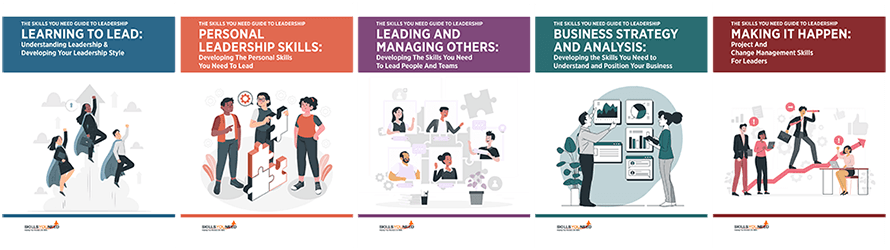
The Skills You Need Guide to Leadership eBooks
Learn more about the skills you need to be an effective leader.
Our eBooks are ideal for new and experienced leaders and are full of easy-to-follow practical information to help you to develop your leadership skills.
Conclusion
Motivating a retail team requires far more than just financial incentives or setting sales targets. It requires a nuanced, empathetic approach to leadership that acknowledges the unique daily pressures of the shop floor.
By breaking the monotony of difficult shifts, actively listening to front-line feedback, providing opportunities for skill development, and ensuring that hard work is visibly recognized, you transform your staff from mere employees into active stakeholders in your business. When your team feels respected, valued, and intellectually engaged, that positive energy directly translates to the shop floor, resulting in happier customers and a more profitable, resilient store.
About the Author
Ali Newton is a Marketing Executive with a background in psychology and market research. She specializes in helping retailers drive sales through effective team management and bespoke store display strategies.