


Maximizing Efficiency: Unveiling the
Power of Datacenter Proxies
with Soft Skills Development
See also: Transferable Skills
In the modern professional landscape, the stereotype of the isolated IT professional working quietly in a server room is entirely outdated. Today’s technology specialists are at the forefront of business operations, managing complex digital infrastructure that powers global connectivity, market research, and corporate security.
However, successfully managing this sophisticated technology requires more than just knowing how to write code or configure a server. As network architectures become increasingly complex, the human element becomes the deciding factor in operational success. To truly maximize the efficiency of enterprise-grade tools, IT professionals must blend their technical mastery with robust interpersonal abilities.
Understanding how to bridge the gap between high-level network infrastructure and daily business needs is what separates a standard technician from an invaluable technology leader. Let us explore how developing key soft skills allows tech professionals to unlock the full potential of complex systems like datacenter proxies.
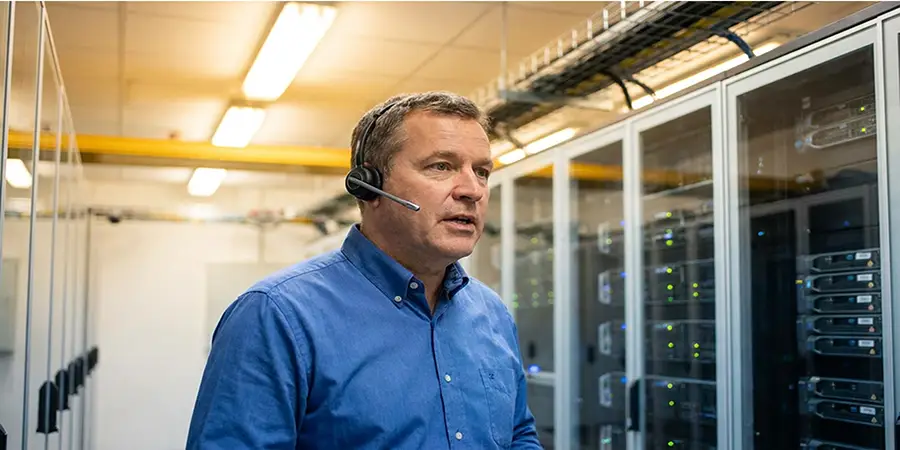
The Technical Landscape: Understanding Network Infrastructure
To understand why soft skills are necessary, we must first look at the complexity of the tools modern IT teams manage. For instance, ensuring online security, facilitating web scraping, and bypassing geographical restrictions often require robust server intermediaries. Datacenter proxies are intermediary servers hosted in data centers, serving as a high-speed gateway between users and the internet. They allow businesses to mask IP addresses and conduct vital market research anonymously.
Unlike residential proxies that use IP addresses associated with standard home internet connections, datacenter proxies leverage the massive scalability and affordability of enterprise data center infrastructure. They are valued for their exceptional speed and cost-effectiveness. However, utilizing them successfully requires navigating complex technical challenges, such as avoiding IP bans and optimizing load distribution—tasks that inherently require cross-departmental coordination.
Why IT Professionals Need Soft Skills
Managing this level of infrastructure is rarely a solo endeavor. Soft skills, encompassing communication, teamwork, adaptability, and emotional intelligence, have become increasingly crucial for technology professionals. While technical expertise builds the network, the ability to effectively collaborate and navigate complex corporate dynamics determines how well that network serves the business.
Employers increasingly recognize that individuals who prioritize soft skills development contribute to a much stronger workplace culture and drive rapid innovation. As automation and artificial intelligence reshape the repetitive aspects of IT roles, uniquely human attributes—like explaining a complex server outage to a non-technical CEO—cannot be replicated by technology.
Communication: Bridging the Tech Divide
Clear communication is arguably the most vital soft skill for an infrastructure manager. In the dynamic environment of managing proxy servers, firewalls, and data routing, concise communication is crucial for addressing user requirements and coordinating with non-technical team members.
For example, if a company is utilizing proxy networks for ad verification or to mitigate potential cyber threats, the IT team must be able to explain the return on investment (ROI) of these tools to the finance department. The ability to translate technical jargon into clear business value requires exceptional effective communication and deep professional empathy.
Problem-Solving and Adaptability in Server Management
Technology rarely functions perfectly 100% of the time. When a datacenter proxy goes down, or a target website updates its security protocols to block automated traffic, panic can quickly set in across the marketing or data analysis departments. Strong problem-solving abilities allow IT professionals to remain calm, isolate the root cause, and implement a rapid solution.
Furthermore, troubleshooting is drastically improved by active listening. By truly listening to the frustrations and specific needs of the end-users experiencing the outage, technicians can tailor server configurations to better suit actual workflows. Adaptability ensures that professionals can proactively adjust setups to meet new demands in the ever-changing landscape of datacenter operations.
Collaboration Across Departments
The successful deployment of complex network tools often spans multiple departments. In a global e-commerce company, the digital marketing team relies heavily on the IT team’s datacenter proxies to gather competitive intelligence and monitor regional pricing without being blocked.
Building positive interpersonal relationships between these siloed departments prevents operational friction. When a cybersecurity professional uses their collaborative skills to sit down with the marketing team and design a secure, highly efficient web-scraping architecture, the entire organization benefits. This nimble response showcases how integrating human empathy with technical capability fosters a secure and collaborative corporate environment.
Conclusion
The integration of advanced technological tools—like datacenter proxies—and highly developed soft skills plays a pivotal role in shaping success across the modern tech industry. While proxies provide the speed, reliability, and anonymity required for data-driven business strategies, it is the human professional who ensures these tools are deployed effectively, securely, and in alignment with corporate goals.
In the dynamic landscape of IT operations, the harmonious convergence of technical expertise with effective interpersonal skills is the ultimate key to success. From translating complex cybersecurity threats into plain language, to actively listening to departmental needs, soft skills elevate a technician into a strategic leader. As professionals navigate the evolving challenges of the digital landscape, investing equally in technological infrastructure and human communication emerges as the ultimate formula for sustained career success.
About the Author
Vikram Sharma is a Cybersecurity Consultant and IT Infrastructure Specialist with over a decade of experience bridging the gap between complex network systems and human-centric business operations. He specializes in helping enterprise clients optimize their data operations securely while fostering cross-departmental collaboration. When he is not fine-tuning server architectures or conducting team communication workshops, Vikram enjoys restoring vintage audio equipment and trail running.