


Developing Advanced Learning Skills
for Academic and Career Success: A Guide
See also: Top Tips for Studying
Strong learning skills aren't something students are born with—they're developed over time. Thanks to the help of structured revision techniques and reflection-based strategies, you could find it easier to retain information.
Additionally, learning how to manage time, retain information, and apply ideas in new contexts can help support success at every stage.
Ready to learn how to develop your skills to help with further career success? Keep reading to find out!
Why Learning Skills Influence Long-Term Achievement
Good grades may show knowledge, but learning habits reveal much more. For example, a student who can manage their time, break down complex tasks, and adapt their approach over time is building skills that stay useful well after exams are finished.
However, as mentioned earlier, these learning skills are not something people are born with, nor do they develop overnight – unfortunately! Instead, they take practice and reflection. Each slight improvement adds up. It shows when learning becomes smoother and more rewarding.
If you are balancing coursework and part-time work, you will want to know how to organise tasks and absorb new information efficiently. Doing so will help you change how manageable things feel. As such, if you focus on improving how you learn, not just what, you tend to grow more confident. Approaching unfamiliar topics, dealing with feedback, and moving from basic understanding to deeper knowledge becomes easier.
The Differences Between Passive and Active Learning
Sitting through lessons or reading over notes might feel productive, but those methods rarely lead to strong recall. Passive learning gives the illusion of progress without much depth. Sure, the material might be covered, but it often isn't understood or retained.
As such, active learning takes a different approach. Unlike passive learning, active learning involves doing something with the material. This could be solving problems, teaching them to someone else, or applying them in a new way. Making the smallest of shifts, like asking questions while reading or summarising after a study session, can help to improve your understanding. As you can see, it doesn't require massive changes to your current study techniques, but it could make a difference to how much you are able to retain.
However, it's worth remembering that we all have different learning styles and what works for some people, might not work for others. As such, track what works well for you and what doesn't. Some learners benefit from flashcards, but you might find that discussion or diagrams help more. And so, whichever you choose, remember what matters is engaging with the content on a level that forces the brain to do more than observe.
Improving Retention Through Practical Study Techniques
Short, focused revision sessions work better than long, drawn-out ones. Spacing topics out over several days or weeks helps ideas stick. Revisiting older material in between new topics also strengthens memory.
Practice testing is one method that consistently shows results. Trying to recall answers without notes builds confidence and highlights areas that need extra attention. Writing short summaries, speaking aloud, or creating mock exam questions can all help turn short-term memory into longer-term knowledge.
The Role of Focused Attention and Reduced Distraction
As you can imagine, making progress is hard when attention is scattered. The constant switching between tasks breaks concentration and wastes time. Even short interruptions can reset focus, making it harder to return to deep thinking.
Simple changes can make a difference, so choosing a consistent study space, turning off unnecessary notifications, and setting a clear time limit for sessions all help protect your focus. Some people find background noise helpful, while others prefer complete silence. The key is finding an environment that supports concentration, not works against it.
Attention is also tied to energy. Studying while tired or distracted often leads to frustration. Taking short breaks, eating well, and sleeping enough all support sharper focus and better results over time.
Developing Critical Thinking Through Subject Exploration
Learning deeply involves more than remembering facts. Critical thinking encourages learners to ask how and why things work, not just what happens. It invites curiosity, doubt, and reasoning.
Subjects like psychology encourage this kind of thinking by default. Whether analysing case studies or exploring theories of behaviour, students are often required to weigh different viewpoints and use evidence to support ideas.
However, if you have been considering further study, you might want to use a course comparison site. You can filter through different psychology degrees and choose the best fit. Say you're exploring academic options and want to find the best psychology course for you. Using a course comparison site means you can compare course content, teaching style, and future career routes to find one that appeals to you the most. If you can match your goals with the right programme, you will find it makes learning more focused and rewarding.
Transferrable Learning Habits for Career Development
Remember, skills built and developed through effective learning in a classroom are still useful outside the walls of said classroom. Skills such as time management, focus, critical thinking, and the ability to give and receive feedback are all valuable. And, each one can translate directly into workplace environments.
When you begin applying for roles, employers will look to see if you can adapt, solve problems, and communicate clearly. As such, if you are able to refine these habits through consistent learning practice, you could put yourself in a better position when the time comes to apply for job roles.
Think about it - writing structured reports, working in groups, and managing competing deadlines are all tasks likely found in a variety of professional roles. Someone who has built strong habits through their course will likely approach a training session, presentation, or client project with more structure and calm.
Further Reading from Skills You Need
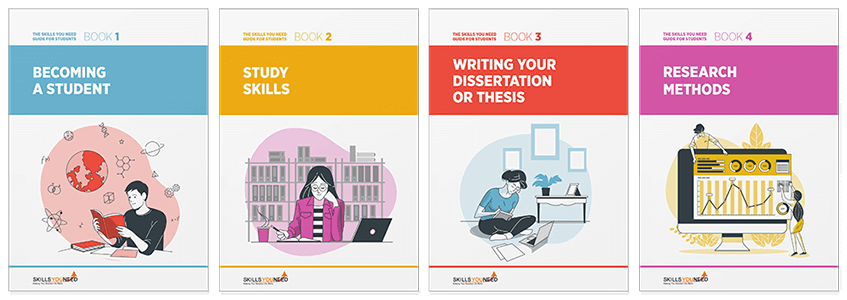
The Skills You Need Guide for Students

Develop the skills you need to make the most of your time as a student.
Our eBooks are ideal for students at all stages of education, school, college and university. They are full of easy-to-follow practical information that will help you to learn more effectively and get better grades.
The Bottom Line
Ultimately, developing and nurturing strong learning skills will help you boost your confidence and resilience. Of course, building those habits takes time and consistency, but the benefits stretch across every part of study and work life. The tools, habits, and choices made now can continue to bring value well into the future.
About the Author
Jessica Daykin is a writer who has always been interested in a wide range of passions and discovered that writing was one of the best ways to explore those. Jessica covers a wide range of lifestyle and newsworthy topics depending on her current interests.