

The Skills Behind Great Teamwork
(That Most People Ignore)
See also: Effective Team-Working Skills
Great teamwork isn't just about getting along or having good communication. Those are surface-level traits that often mask deeper issues. Beneath them lies a layer of subtle, often ignored skills that truly separate average teams from exceptional ones.
These are the quiet strengths — like emotional self-regulation, giving others space to lead, or knowing how to bring calm during chaos — that don't usually show up in training manuals or team-building exercises. Yet, they are the glue that holds everything together when the pressure is high, timelines are tight, or conflict arises.

-
The Ability to Disagree Productively
Most teams believe that harmony equals success. But in reality, teams that avoid conflict often miss the opportunity to grow. Productive disagreement is not about arguing, it's about challenging ideas without attacking people. It's about being able to say "I see it differently" without the conversation turning into a personal offense.
This skill requires emotional control, curiosity, and a willingness to be wrong. It's not glamorous. It's uncomfortable. But it's what keeps a team from falling into groupthink and repeating the same mistakes.
-
Reading the Room
Most people focus on what's being said. Fewer pay attention to what's not. Reading the room is about sensing tension, silence, or unspoken hesitations. It's a skill rooted in emotional intelligence and non-verbal communication. It allows someone to step in before a conflict erupts or to speak up when an idea hasn't landed well. Some of the best team players are not the loudest voices but the most observant ones. They notice who's feeling unheard or when the team needs a breather. They act as a silent glue that keeps things cohesive, even when things feel chaotic on the surface.
"The best collaborators are often quiet connectors," explains Dan Mogolesko, Owner of JD Buys Homes. "They spot the cracks before anyone else even sees the floor shaking."

-
Knowing When to Lead and When to Step Back
Everyone talks about leadership, but few talk about followership. In truly effective teams, leadership rotates. Different people take charge depending on the situation, and others step back without ego. Knowing when to let others lead is a sign of trust and maturity. It signals that the person cares more about the outcome than about credit. It requires humility, awareness, and the ability to see the bigger picture. This ebb and flow of leadership allows the team to adapt quickly. Instead of rigid hierarchies, there's a flexible structure where skill, not title, guides the next move.
-
Clarity in the Face of Ambiguity
Every team hits moments where no one is sure what to do next. Maybe the roadmap is unclear. Maybe the client changed direction. This is where a rarely mentioned skill shows up — the ability to create clarity in the fog.
This doesn't mean having all the answers. It means asking the right questions. It means helping the team pause, zoom out, and refocus. It also means simplifying the complex into something actionable. People with this skill bring stability when things feel uncertain.
-
The Willingness to Do the Boring Stuff
Not all teamwork is exciting. Behind every successful campaign, launch, or sprint is someone doing the unsexy work — documenting decisions, keeping track of small tasks, and double-checking details. These actions rarely get praise but are vital to execution.
What makes a great team isn't just the flashy wins. It's consistency. People who willingly handle the boring bits are what make teams dependable. They bring reliability, and over time, this builds trust. "Reliable teams are built by people who do the work that no one claps for," says Drew Wiard, Owner of Clear Sky Properties.
-
Repairing Trust When It's Damaged
No team avoids missteps. Someone forgets a deadline. A harsh word is said in frustration. What matters most is not perfection but repair. The skill of rebuilding trust is one of the most ignored, and most essential, in teamwork.
It requires courage to say, "I was wrong." It requires grace to say, "I forgive you." And it requires emotional literacy to navigate those hard conversations without making things worse.
When people on a team know how to repair ruptures — instead of pretending they never happened — the bond strengthens. It creates a culture where people feel safe being human.
-
Creating Psychological Safety
Google's Project Aristotle famously found that the number one predictor of team success is psychological safety — the feeling that you can speak up without fear of punishment or embarrassment. But most people don't know how to create it.
This skill shows up in how people respond to each other's ideas. Do they scoff or stay curious? Do they interrupt or make space? Psychological safety is built in moments, not policies.
"You don't need a handbook to make a team feel safe," notes Jesse Morgan, Affiliate Marketing Manager at Event Tickets Center. "You need daily habits of respect, listening, and encouragement."
A teammate who says, "That's a good point, let's explore it more," even if the idea seems off-base, is building safety. Over time, this encourages more people to share ideas freely, and that's where innovation lives.

-
The Discipline of Follow-Through
Talk is cheap. Follow-through is what gives teamwork credibility. When someone says they'll do something and then actually does it — without reminders or excuses — they build a foundation of trust. Overlooked? Yes. But absolutely essential.
The discipline of doing what you say, and doing it well, removes friction from a team. It allows others to focus on their tasks without micromanagement. It reduces delays. It creates a sense of rhythm and reliability.
"A team that delivers consistently doesn't need heroes," says Lacey Jarvis, COO at AAA State of Play. "It needs people who follow through every time."
-
Managing One's Own Emotions
Every team has pressure points. Things go wrong. Deadlines slip. Feedback stings. In those moments, the ability to manage your own emotional reactions becomes critical.
This skill isn't about suppressing feelings. It's about recognizing them, understanding where they come from, and choosing how to respond. Someone who snaps under pressure or shuts down after criticism can derail progress.
Emotionally regulated team members can stay grounded. They process frustration without lashing out. They know how to take a beat, breathe, and come back with a clear head. Their stability helps everyone else settle, too.
-
Making Others Feel Seen
In high-performing teams, people feel valued, not just for what they do, but for who they are. The skill of making others feel seen is not about compliments. It's about acknowledgement. It's about noticing effort, celebrating progress, and being present in conversations.
"When people feel truly seen, they offer more than effort. They offer loyalty," says Brandy Hastings, SEO Strategist at SmartSites. "Genuine appreciation is what keeps teams connected and thriving."
These moments build bonds that go beyond task lists. They foster loyalty, collaboration, and trust.
-
Asking Better Questions
We often think great team players are the ones with answers. But more often, they're the ones with the right questions. Questions like "What do you need right now?" or "What's missing here?" can unlock new insights and smooth friction.
Asking good questions takes practice. It means listening fully. It means setting aside your own assumptions. But once someone on the team starts doing it, others follow. It changes the quality of the conversations and drives deeper understanding.
"Great teams are curious teams," says Edward White, Head of Growth at beehiiv. "They ask questions, explore possibilities, and resist the urge to assume."
Better questions lead to better decisions, and they prevent costly assumptions.
-
Resisting the Urge to Take Credit
In insecure teams, people fight for visibility. In secure teams, people pass the spotlight. The skill of deflecting credit and sharing wins may sound minor, but it has a major effect on morale. It tells your teammates, "I see you." It builds an atmosphere where everyone feels part of the success, not just a cog in the machine. It also reduces unhealthy competition and protects the team's collective energy.
People want to be on a team where humility is respected and where individual ego doesn't overshadow collective achievement.
-
Being Comfortable with Silence
Silence makes people nervous. In meetings, someone always rushes to fill the gap. But great teamwork includes the ability to sit in silence. To let a thought breathe. To allow reflection before jumping in.
This subtle skill shows respect for thinking time. It opens space for quieter voices to enter. And it leads to more considered decisions.
"The pause between ideas is often where the gold is," explains Jonah Reyes, executive facilitator. "Teams that can sit in silence are usually the ones making better decisions."
Silence is not the enemy of collaboration. It's the doorway to deeper thinking and inclusivity.
-
Not Needing to Win Every Time
Winning every argument, being right, or always getting your way — these are not markers of a great teammate. They're often the opposite. One of the most overlooked skills in teamwork is the ability to let go.
Letting someone else's idea lead, even if yours is also good. Letting a decision move forward, even if it's not your preferred choice. These aren't signs of weakness. They're signs of trust.
When people learn to let go of the need to "win," the team starts to win more often.
Further Reading from Skills You Need
The Skills You Need Guide to Interpersonal Skills eBooks.
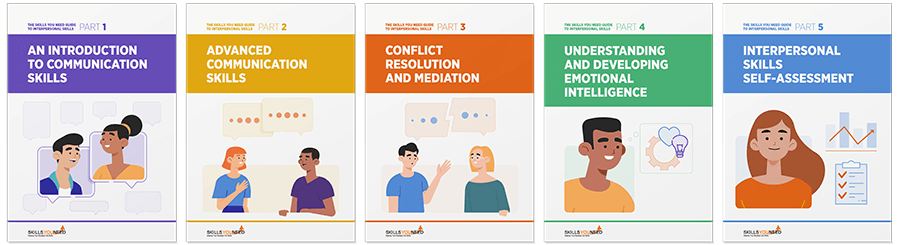
Develop your interpersonal skills with our series of eBooks. Learn about and improve your communication skills, tackle conflict resolution, mediate in difficult situations, and develop your emotional intelligence.
Conclusion: It's the Small Skills That Make the Biggest Difference
The flashiest skills in teamwork tend to get all the spotlight. Communication, leadership, and strategy are the ones often listed on resumes and praised in performance reviews. But the real strength of a great team often comes from the quieter, less celebrated skills like emotional intelligence, patience, humility, self-awareness, and consistency. These traits aren't always visible, but they shape how people show up for one another every day.
They help teams navigate stress, adapt to change, and stay united through setbacks. These skills don't just boost productivity. They build a culture of trust, respect, and real connection. When things get tough, it's not charm or confidence that holds a team together. It's steady support, clear effort, and the ability to listen without ego.
If you want to build a strong team, don't just watch what people say. Pay attention to how they act when no one's watching.