


E-Learning Evolution: Tips for
Effective Digital Content Localization
See also: Online Education and Learning
The e-learning industry is currently experiencing a period of unprecedented global expansion. As remote work becomes the norm and educational borders dissolve, organizations are no longer training local teams; they are educating a global workforce.
However, simply translating a course from English into Spanish or Mandarin is no longer sufficient. Learners expect content that feels native to their experience, respecting their cultural context, technical constraints, and linguistic nuances.
If your digital content feels "foreign," engagement drops, and retention rates plummet. To truly connect with a diverse audience, you must move beyond translation and embrace full localization. This article explores practical, high-level strategies for effectively localizing digital content, ensuring your educational programs are accessible, relevant, and impactful for learners around the world.
The Difference Between Translation and Localization
Before diving into the strategies, it is vital to distinguish between these two concepts. Translation is the conversion of text from one language to another. Localization is a more comprehensive process that involves adapting the entire learning experience to a specific locale.
This includes changing currencies, date formats, and units of measurement, but also adapting colour schemes, images, humour, and even the instructional design itself to fit the target culture and enhance cross-cultural competence. Effective localization makes the learner feel as though the course was originally created for them.
10 Tips for Effective Content Localization
Know Your Audience Beyond the Language
Before writing a single line of code or translating a word, you must conduct a deep dive into your target demographic. "Spanish speakers" is not a monolith; the cultural and linguistic differences between a learner in Madrid and a learner in Mexico City are significant.
You need to understand:
Technological Maturity: Does this region have high-speed broadband, or is mobile data the primary connection?
Cultural Learning Styles: Some cultures prefer self-directed, autonomous learning (common in Western markets), while others expect a more hierarchical, instructor-led approach.
Visual Literacy: How are symbols and icons interpreted in this region? A "thumbs up" might be positive in the US but offensive in parts of the Middle East.
Conducting thorough research ensures that you are solving the right problems for the right people.
Collaborate with Native Experts
Machine translation has come a long way, but it cannot replace human nuance. Engaging native speakers and subject matter experts (SMEs) early in the process is non-negotiable for high-stakes training.
Native experts do more than check grammar; they check for tone and intent. They can flag idioms that don't translate ("hit the ball out of the park" means nothing to a culture that doesn't play baseball) and suggest metaphors that will resonate locally. This human touch ensures your content is not just accurate, but culturally fluent.
Focus on Cultural Relevance and Sensitivity
Context is king. When localizing content, you must audit your imagery and case studies. If you are training a team in Tokyo, using stock photos of a boardroom in New York may create a subtle cognitive dissonance that alienates the learner.
Visual Localization: Ensure that the people featured in your videos and images reflect the demographics of the target region. Pay attention to dress codes, body language, and even the office environments depicted.
Scenario Adaptation: Modify case studies to feature local businesses, local currency, and culturally significant scenarios. For example, a negotiation training module should reflect the negotiation etiquette of the target culture, which might be vastly different from the source culture.
Adapt Learning Formats to Local Preferences
Different cultures consume information differently. In high-context cultures (like Japan or Arab nations), learners may prefer rich, detailed context before getting to the main point. In low-context cultures (like the USA or Germany), learners often prefer direct, bulleted information.
You may need to adapt your media mix. In regions with high literacy rates but expensive data, long-form text or audio might be preferred over high-definition video. In younger markets, gamification and micro-learning on mobile apps might be the only way to secure engagement. A "one-size-fits-all" instructional design rarely works globally, so exploring different technology-based learning approaches can help you meet learners where they are.
Optimize for Mobile and Bandwidth Constraints
In many emerging markets, the smartphone is the primary—and often only—device used for learning. Localization must therefore include a rigorous technical audit of your mobile performance.
Ensure your Learning Management System (LMS) is fully responsive. Test your content on older devices and slower 3G networks. If your course relies on heavy 4K video streams, you may be unintentionally excluding a vast segment of your audience who simply cannot load the content. Providing downloadable, offline versions of your course is a key localization strategy for regions with unstable internet connectivity.
For mobile-first markets, pair your LMS’s offline modules with a translation platform optimized for low bandwidth and batch workflows. Tools like Youdao Translate deliver multi-language neural MT, bulk PPT/PDF/Doc translation, and terminology support—ideal when localizing slide decks and handouts at scale.
Maintain Consistency with Style Guides
When you are localizing into ten different languages simultaneously, brand consistency can fracture. To prevent this, you must establish a centralized "Localization Kit" or Style Guide before you begin.
This guide should define key terminology that must remain in English (such as product names), the preferred tone of voice (formal vs. informal), and formatting rules for dates and numbers. This ensures that whether a learner is in Berlin or Brazil, they are experiencing the same brand identity, just adapted for their local lens.
Implement Rigorous Quality Assurance (QA)
QA in localization is twofold: Linguistic QA and Functional QA.
Linguistic QA involves a native speaker reviewing the final build to ensure the text fits the context. (e.g., Did the button text "Home" get translated to "House" instead of "Homepage"?)
Functional QA checks the layout. Translated text can expand or contract significantly. German text often expands by 30% compared to English, which can break navigation buttons or cause text to overlap images. Languages like Arabic or Hebrew read Right-to-Left (RTL), which requires flipping the entire interface layout. Testing these functional elements is critical to a professional user experience.
Leverage Professional Localization Partners
Localization is a complex logistical machine. Attempting to manage it in-house with spreadsheets often leads to version control nightmares and delayed product launches.
To streamline the process, consider partnering with specialized professional localization agencies. These dedicated services bring both the robust technological infrastructure (such as Translation Management Systems) and the extensive human network of native linguists required to successfully scale your e-learning programs globally.
Furthermore, certified translation services can ensure that highly technical, medical, or legal content retains its precise accuracy, which is absolutely vital for compliance training. Outsourcing this heavy lifting allows your internal Learning & Development team to focus on overarching curriculum strategy rather than tedious file management.
Create Feedback Loops
Localization is not a "fire and forget" process. Once the content is deployed, you must actively seek feedback from the local learners. Do not just look at completion rates; look at qualitative feedback.
Did they find the examples relevant? Was the navigation intuitive? Was the translation natural? Use surveys and focus groups to gather this data. This feedback loop is essential for continuous improvement, allowing you to refine your glossaries and design templates for future updates.
Stay Agile and Updated
The e-learning landscape evolves rapidly. New tools for AI-driven dubbing and automated subtitling are emerging every month. Staying informed about these trends allows you to produce localized content faster and cheaper.
However, technology should support, not replace, the cultural strategy. Keep your localization efforts aligned with the broader trends in your industry, such as the shift toward personalized, adaptive learning paths. By remaining agile, you ensure your global training program remains a competitive advantage rather than a legacy burden.
Further Reading from Skills You Need
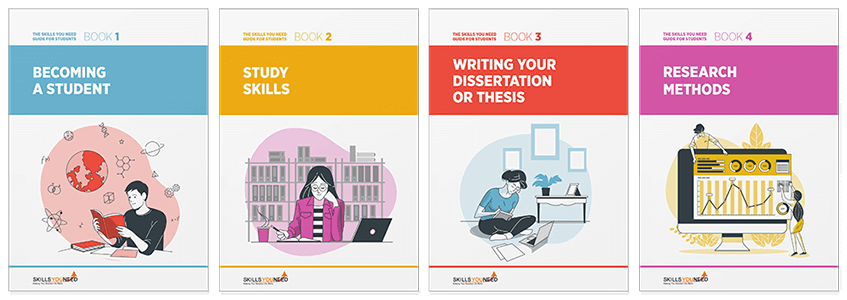
The Skills You Need Guide for Students

Develop the skills you need to make the most of your time as a student.
Our eBooks are ideal for students at all stages of education, school, college and university. They are full of easy-to-follow practical information that will help you to learn more effectively and get better grades.
Conclusion
As the digital world shrinks, the audience for your content grows—but only if you can speak their language, figuratively and literally. Effective digital content localization is the bridge between a generic course and a transformative learning experience.
By understanding your audience, collaborating with native experts, and leveraging professional localization partners, you can ensure that your message resonates globally. In a market projected to reach hundreds of billions in value, the organizations that prioritize cultural accessibility will be the ones that win the hearts and minds of the global workforce.
About the Author
Paul Smith is a seasoned technical writer with over 10 years of experience in creating clear, concise, and user-friendly articles. With a passion for technology and a keen eye for detail, Paul has successfully translated complex technical concepts into accessible content for various audiences.