

Blended Learning:
What Is It and How It Can It Be Used
See also: Learning Styles
The digital revolution has fundamentally transformed how knowledge is transferred, consumed, and retained. As educational institutions and corporate training departments transition away from purely traditional, classroom-based instruction, a hybrid methodology has emerged as the global standard.
This hybrid approach seamlessly integrates the interactivity of face-to-face instruction with the scalability and flexibility of digital media. It is an approach designed to offer learners the best of both worlds, fostering independence while maintaining crucial human connection and guidance.
In this comprehensive guide, we will explore the concept of blended learning in detail. We will examine its core theoretical models, identify its primary benefits for both students and organisations, and provide actionable strategies for implementing a successful blended learning programme in the real world.

What is Blended Learning?
At its core, blended learning is an educational framework that combines online educational materials and opportunities for interaction online with traditional place-based classroom methods. It requires the physical presence of both teacher and student, with some elements of student control over time, place, path, or pace.
While early iterations of this concept simply involved adding computers to a traditional classroom, modern blended learning is a cohesive pedagogical strategy. It is not merely a supplementary add-on; rather, the digital and physical components are fundamentally intertwined. The online learning modules inform the in-person discussions, and the face-to-face sessions contextualise the digital coursework.
This methodology shifts the role of the educator from a primary source of information—a "sage on the stage"—to a facilitator or "guide on the side." By shifting the foundational delivery of information to digital platforms, educators can use valuable in-person time for high-level discussion, practical application, and targeted mentorship. To make the most of this environment, students must develop strong study skills and a capacity for self-directed work.
The Core Models of Blended Learning
Because no two educational environments are identical, blended learning is highly adaptable. Educators and instructional designers typically rely on several established models, selecting the framework that best suits their learners' needs and the available technological infrastructure.
The Flipped Classroom Model
The flipped classroom is arguably the most widely recognised blended learning framework. In a traditional setting, students attend a lecture to receive information and then complete coursework or problem-solving assignments at home. The flipped model reverses this paradigm.
Students are introduced to new content at home through digital lectures, reading assignments, or video modules. Classroom time is then dedicated entirely to active, project-based learning, peer-to-peer collaboration, and individualised support from the instructor. This ensures that the teacher is present when students need the most help: during the application and synthesis of new knowledge.
The Station Rotation Model
Commonly used in primary and secondary education, the station rotation model dictates that students rotate through a schedule of varying learning modalities within a single classroom setting. At least one of these stations involves online, self-paced learning.
Other stations might include small-group instruction led by the teacher, collaborative group projects, or independent pencil-and-paper assignments. This model allows educators to differentiate instruction easily, providing targeted interventions to small groups while the rest of the class remains actively engaged in digital or collaborative tasks.
The Flex Model
The flex model provides students with a high degree of autonomy. In this framework, the backbone of student learning is delivered online. Students move through the curriculum at their own pace on a flexible, customised schedule.
While learning occurs within a physical campus or corporate training centre, the teacher or facilitator acts primarily as a tutor, offering on-demand, targeted support on an individual or small-group basis as needed. This model is highly effective for adult learners or environments focused on competency-based progression rather than strict timetables.
The Enriched Virtual Model
In the enriched virtual model, students are required to attend face-to-face sessions with their instructor, but these meetings are infrequent—perhaps once a week or a few times a month. The vast majority of the coursework is completed independently online.
Unlike a fully online course, the physical meetings are mandatory and serve to reinforce complex concepts, facilitate networking, and build a sense of community. This model is increasingly popular in higher education and executive training programmes, requiring a strong commitment to lifelong learning and personal discipline.
The Benefits of a Blended Approach
When implemented correctly, blended learning offers significant advantages over purely traditional or purely digital frameworks. First and foremost, it allows for the deep personalisation of the learning experience. Advanced learning management systems (LMS) can track student progress in real-time, identifying areas of struggle and automatically adjusting the difficulty of subsequent modules.
This data-driven approach empowers educators to intervene exactly when a student needs help, rather than waiting for the results of a formal assessment. Furthermore, it increases overall accessibility. Students can pause, rewind, and re-watch digital lectures, ensuring they fully comprehend the material before moving forward—an impossibility in a live lecture hall.
For adult learners, the flexibility of blended learning is invaluable. It accommodates diverse schedules and responsibilities, allowing individuals to pursue continuous education and develop their effective reading and critical thinking skills without sacrificing their careers or personal lives.
Blended Learning in the Modern Workplace
While often associated with schools and universities, blended learning has become a cornerstone of corporate learning and development (L&D). Modern businesses require agile, continuously upskilled workforces, but pulling employees away from their desks for week-long training seminars is incredibly costly and inefficient.
In the corporate sphere, blended learning often incorporates the 70:20:10 model, which posits that 70% of learning occurs on the job, 20% through interactions with others, and 10% through formal educational events. L&D professionals use blended learning to facilitate this.
For example, an employee might complete an interactive, gamified e-learning module on new compliance regulations (the 10%), participate in a virtual business simulation to practice applying the rules, and then discuss the outcomes in a brief, face-to-face session with a manager utilizing strong mentoring skills (the 20%). This ensures theoretical knowledge is successfully translated into practical, on-the-job behaviour (the 70%).
Challenges and Implementation Strategies
Despite its benefits, transitioning to a blended learning model presents distinct challenges. The most pressing is the digital divide; institutions must ensure that all learners have equitable access to the necessary hardware and high-speed internet connections required to engage with the online components.
Furthermore, simply digitising traditional lectures is not enough to maintain engagement. Instructional designers must create active, multimodal digital content. Video lectures should be concise and paired with interactive quizzes, discussion boards, or reflective journaling exercises.
Finally, educators and corporate trainers must be adequately trained to facilitate, rather than dictate. Managing a blended environment requires excellent time management, digital literacy, and the ability to interpret data analytics to guide in-person interventions.
Conclusion
Blended learning represents a fundamental evolution in educational methodology. By intelligently combining the scalability and data-rich environment of digital technology with the nuance and mentorship of face-to-face instruction, we can create more effective, efficient, and inclusive learning experiences.
Whether it is a primary school implementing a station rotation model or a multinational corporation deploying a flipped classroom framework for leadership development, the core objective remains the same: empowering the learner. As technology continues to advance, the distinction between digital and physical learning spaces will continue to blur, making the blended approach the definitive standard for education and professional development worldwide.
Further Reading from Skills You Need
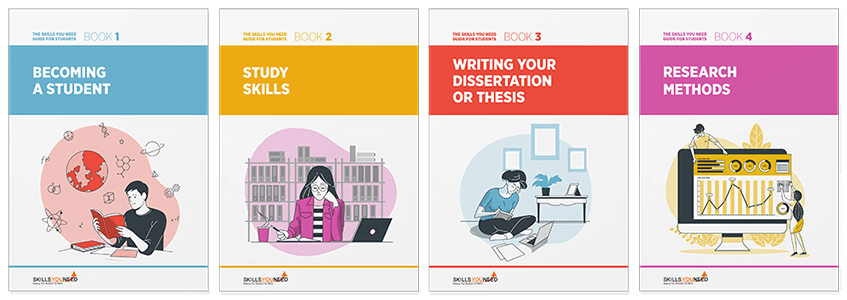
The Skills You Need Guide for Students

Develop the skills you need to make the most of your time as a student.
Our eBooks are ideal for students at all stages of education, school, college and university. They are full of easy-to-follow practical information that will help you to learn more effectively and get better grades.
About the Author
Diana Calderhead is an instructional design consultant and educational strategist specializing in adult learning methodologies. With over a decade of experience building curriculum frameworks for international universities and Fortune 500 companies, she focuses on bridging the gap between digital innovation and traditional pedagogy.