

What Affects Your Virtual Learning Experience?
See also: Learning StylesVirtual or online courses offer unprecedented opportunities, completely reshaping how modern students and professionals acquire knowledge. This educational model is meticulously designed to provide highly engaging activities, collaborative digital strategies, and synchronous communities that rival traditional classroom practices. When executed correctly, virtual learning aims to effectively eliminate the geographical and temporal restrictions of a physical campus.
In a world where distance learning has transitioned from a niche alternative to a mainstream necessity, educational curriculums, institutional systems, and digital accessibility are experiencing rapid, constant evolution. As a result, the burden of managing the learning experience has shifted significantly onto the student.
In this comprehensive guide, we will explore the strengths, weaknesses, and profound impact of virtual learning, and provide you with actionable strategies to guarantee your success in any remote educational environment.

The Core Advantages of Virtual Learning
Online learning breaks the restrictive walls built by traditional, rigid educational methods. These modern approaches offer highly adaptable options not just for students, but also for instructors aiming to deliver dynamic content. If an educational organisation embraces innovation, the qualitative learning experience of the student increases exponentially.
Unparalleled Flexibility and Autonomy
Earning a degree or professional certification can be incredibly challenging, especially when relying on a full-time day job to fund your education. Traditionally, students had to commit to rigid lecture schedules, hastily fitting classes around their work commitments. Unfortunately, this constant friction often leads to severe exhaustion and poor academic performance.
Online learning provides a robust solution, allowing students to study asynchronously from remote locations. Individuals can now gain professional qualifications without sacrificing their career momentum. For example, e-learning platforms, such as No Nonsense Tutoring, offer flexible schedules and a wide range of courses, making targeted education more accessible for busy, working professionals.
Self-paced learning is highly effective at helping you develop rigorous time management skills and dramatically increasing your overall productivity.
Global Accessibility and Networking
Instead of physically relocating to attend a specific class, students now have the option to access elite learning materials from their own homes. Prestigious universities and global institutions have created extensive portfolios of digital courses that allow international students to access their curricula and earn degrees remotely.
This level of accessibility also fosters a global peer connection system. Students are no longer limited by geographical boundaries, allowing them to collaborate with and learn alongside diverse professionals from around the world. All that is commonly required is a reliable laptop, noise-cancelling headphones, and a stable internet connection.
Tip: Do Not Miss Global Opportunities
You can now earn verifiable qualifications and certificates from top-tier universities without ever paying for international travel or expensive campus accommodation.
The Challenges and Disadvantages of Online Education
While the benefits are vast, virtual learning demonstrates several distinct drawbacks ranging from environmental distractions to technological literacy gaps. Understanding these challenges is the first step to mitigating them.
Technological Barriers and the Digital Divide
The fundamental requirement of any online class is reliable internet access. This remains a significant factor that must be considered, especially for students in rural or lower socioeconomic areas. Internet access varies wildly in cost, speed, and signal reception, which can put some remote learners at a severe disadvantage.
Furthermore, computer skills are often expected to be entirely self-taught, which many students find frustrating. Literacy and competency with complex educational software, communication apps, and general technology can severely affect the time required for students to complete their assignments and projects within strict deadlines.
Managing the Learning Environment
Minimising distractions plays a crucial role in determining a student's focus and ultimate success. In a traditional classroom, the environment is controlled by the instructor. At home, a student's inability to focus may be caused by a noisy household, a cluttered desk, or the constant temptation of social media tabs.
You must critically evaluate your workspace. Are you in an ideal spot for deep cognitive learning, or is it too noisy and busy? Do you have access to a reliable power source? Taking ownership of your physical environment is mandatory for virtual success.
Screen Fatigue and Long Study Hours
Online institutions occasionally struggle to accurately calculate the probability of time spent on digital assignments. Consequently, they may inadvertently overwork their remote students. The lack of a structured, physical educational process can sometimes compromise learning opportunities and inadvertently encourage procrastination.
When overwhelmed, students become driven to simply finish a task rather than truly understand the material. They become more concerned with impending digital deadlines than the quality of their educational experience. This immense pressure to stay on track, coupled with hours of continuous screen time, can compromise genuine mastery and lead to severe digital burnout.
Experts suggest that self-awareness is the key to self-directed learning.
Post sticky-notes on your monitor to help you remember important concepts.
Practice a strict reward system to maintain motivation (e.g., a ten-minute break after every hour of deep reading).
Find an open space that is calming and relaxing to work in, as detailed in our guide on organising your study space.
Social Isolation and Reduced Interaction
Due to the stark lack of face-to-face communication, online students often have a tendency to be less participative in large group settings. This disadvantageous situation may negatively affect how they express their sentiments, debate academic opinions, and regulate their emotions. The highly interactive aspect of traditional learning is frequently compromised, replaced by a learning experience geared heavily towards individualism.
How to Combat Isolation:
Stay actively connected with friends and family outside of your digital coursework to reduce feelings of loneliness.
Keep yourself up to date with varied physical activities and hobbies outside of your curriculum requirements.
Don’t allow yourself to get burnt out by scheduling regular, screen-free breaks to rest your eyes and mind.
Further Reading from Skills You Need
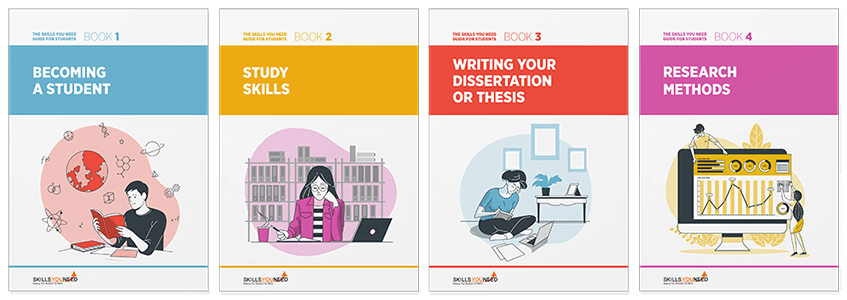
The Skills You Need Guide for Students

Develop the skills you need to make the most of your time as a student.
Our eBooks are ideal for students at all stages of education, school, college and university. They are full of easy-to-follow practical information that will help you to learn more effectively and get better grades.
Actionable Strategies to Succeed as a Virtual Learner
To truly thrive in a virtual educational setting, you must transition from a passive receiver of information to an active manager of your own learning journey. Instructors must also accommodate diverse needs, adjusting their timetables to strengthen both interest and productivity.
Identify and Leverage Your Learning Style
Because you are not confined to a physical classroom, you have the freedom to consume information in the way that best suits your brain. By understanding your specific learning styles, you can manipulate the digital material to maximise your retention and comprehension. Auditory learners can use text-to-speech software to digest long PDFs, while visual learners can convert complex lecture notes into colourful digital mind maps.
Master Digital Time Blocking
Without the rigid structure of a physical timetable, it is dangerously easy to let online coursework bleed into your personal time. To combat this, adopt aggressive time-blocking strategies. Treat your virtual lectures and study sessions as immutable professional appointments. Dedicate specific hours solely to academic work, and fiercely protect your scheduled downtime.
Conclusion
There are still a vast number of structural improvements that educational institutions must consider to fully optimize the virtual learning system. However, at this current point in time, online learning undeniably succeeds when it comes to democratising education and dramatically increasing accessibility for students around the globe.
It is now vastly easier for institutions to disseminate high-quality learning materials, create inclusive, interactive environments, and boost foundational critical thinking on a massive scale. By proactively managing your physical environment, mastering your daily schedule, and engaging fully with the digital tools at your disposal, you can transform the virtual learning experience into a powerful catalyst for your personal and professional growth.
Key Takeaways for Virtual Success:
Maximise your opportunities by seeking out credentials and free online courses from top-tier global universities.
- Set clear goals to provide yourself with intrinsic motivation and inspiration.
- Honestly evaluate your current technical limitations (hardware, internet speed, or physical location) and seek immediate workarounds.
- Make every study session engaging by mixing up your media consumption and leveraging your unique learning style.
About the Author
Dr. Amy Waters is a Senior Instructional Designer and EdTech Specialist with over 12 years of experience developing asynchronous learning environments for global universities. She specializes in cognitive load management, digital curriculum architecture, and adult learning theory. When she is not designing interactive online courses, Amy volunteers as a digital literacy tutor and enjoys restoring vintage typewriters.