


Beyond The Basics: The Soft Skills You Need
to Transform Your Retail Store
See also: Careers in Retail
Operating a successful retail store in today’s hyper-competitive, omnichannel environment requires far more than just stocking high-quality inventory. While many modern businesses make the critical error of focusing entirely on point-of-sale technology and e-commerce logistics, the physical storefront relies on something far more nuanced to survive: the human element.
Technical acumen is undoubtedly necessary to build your operational foundation, but interpersonal capabilities are what ultimately differentiate your brand from faceless online competitors. If you want to transform your retail environment from a mere transactional space into a destination where customers genuinely enjoy spending time and money, you must cultivate a highly skilled, emotionally intelligent workforce.

Empathy: The Foundation of Customer Loyalty
You may question how traditional empathy directly impacts the bottom line in a retail environment. The reality is that empathy is the single most powerful driver of customer retention. When a shopper walks into your store, they are often seeking a solution to a specific problem. A team trained in empathetic service does not immediately push a product; instead, they greet the customer warmly and actively listen to their underlying needs.
Empathy allows your staff to connect with buyers on a personal level, shifting the dynamic from a sales pitch to a collaborative consultation. When customers feel their specific challenges are understood and respected, they naturally develop a sense of trust in your brand. This emotional connection is precisely what transforms a one-time buyer into a fiercely loyal brand advocate.
Communication: Driving Operational Clarity
Clear communication is the lifeblood of retail operations. It is the invisible thread that connects your customers to your brand value, whilst simultaneously keeping your internal team aligned. When a business implements robust communication protocols, the atmosphere of the store fundamentally changes. Customers receive accurate, confident answers, and employees understand exactly what is expected of them.
Mastering effective communication fosters deep collaboration and dramatically boosts floor productivity. It enables floor staff to relay critical inventory information to management, coordinate restocking efforts during peak hours, and navigate shift handovers without dropping the ball. Concise internal communication reduces the likelihood of costly operational conflicts and ensures that your brand’s messaging is delivered consistently to every customer who walks through the door.
Adaptability: Navigating Retail Disruptions
Imagine meticulously planning your seasonal store layout based on exhaustive consumer research, only for a viral social media trend to shift buyer preferences overnight. If your store operations and your front-line staff cannot pivot quickly to accommodate these new demands, your business will swiftly be outpaced by more agile competitors.
Adaptability is all about managing change without operational panic. It requires retail leaders to actively implement strategies that allow the store to realign its offerings and layout at a moment's notice. The retail industry is notoriously prone to technological and cultural disruptions; what is an industry standard today can easily become obsolete tomorrow.
A truly adaptable retailer actively embraces these technological advances to enhance the human experience. For instance, you can pair staff adaptability with an automated order management solution that seamlessly unifies inventory across your physical stores and online platforms. When routine logistics—such as routing optimal click-and-collect orders or managing an endless aisle—are automated, your adaptable staff are freed from manual administration. They can then focus their energy entirely on delivering empathetic service, providing clearer communication, and facilitating faster queue-busting to elevate the in-store experience.
Teamwork: Fostering a Collaborative Culture
A fragmented staff will inevitably provide a fragmented customer experience. Excellent teamwork is paramount for elevating your store's operational efficiency. However, teamwork goes far beyond simply scheduling people on the same shift; it is about building a psychological environment where every employee feels empowered, valued, and safe to ask for assistance.
The greatest advantage of a highly collaborative retail environment is the rapid exchange of knowledge. When experienced staff seamlessly support newer hires, the entire store benefits. Effective teamwork allows each individual to bring their unique strengths and perspectives to the shop floor, tapping into a collective intelligence that solves complex customer queries faster. During intense peak seasons, a supportive team culture prevents burnout, uplifts morale, and ensures that the customer never senses internal stress.
Emotional Intelligence: Mastering Conflict Resolution
Emotional intelligence (EQ) in retail dictates how well your staff can perceive, evaluate, and control their own emotions, as well as those of the agitated shoppers in front of them. High EQ means your team exhibits a genuine interest in resolving friction rather than simply enforcing store policies blindly.
For example, when an unhappy customer demands a refund for a damaged item, an emotionally intelligent employee will not become defensive. Instead, they will deploy active listening and remain calm under pressure, instantly de-escalating the situation. Emotional intelligence is the ultimate secret weapon for conflict resolution.
Furthermore, it promotes vital self-regulation among your leadership team. Managers with high EQ can recognise their own stressors, navigate difficult staffing conversations without aggression, and foster a positive, resilient atmosphere that influences the culture of the entire store.
Further Reading from Skills You Need
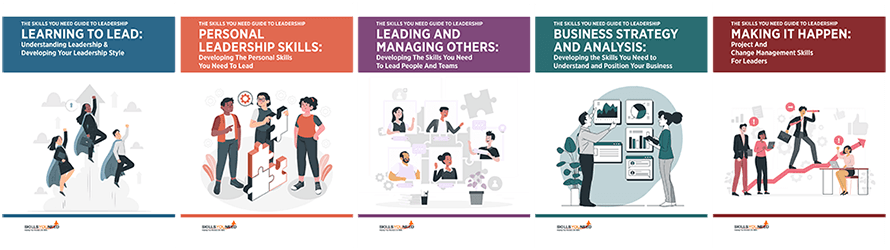
The Skills You Need Guide to Leadership eBooks
Learn more about the skills you need to be an effective leader.
Our eBooks are ideal for new and experienced leaders and are full of easy-to-follow practical information to help you to develop your leadership skills.
Conclusion
While slick store designs and modern inventory software are important, they are merely tools. The true differentiator in brick-and-mortar retail is the human experience. Soft skills—empathy, adaptability, clear communication, and high emotional intelligence—are the foundational ingredients required to transform your physical storefront. Retail leaders looking to expand their footprint must invest as heavily in their team's interpersonal development as they do in their physical infrastructure. By doing so, you will cultivate a vibrant, resilient business capable of earning lifelong customer loyalty.
About the Author
Ibrahim Ali is a Retail Operations Consultant with over a decade of experience helping brick-and-mortar brands optimise their customer experience and internal team dynamics. He specialises in translating complex operational bottlenecks into actionable frontline training programmes.