


10 Strategies for Fostering Team
Collaboration and Enhancing Productivity
See also: Collaboration or Working Together
The modern workplace is evolving at a breakneck pace. With rapid changes to how, where, and when people work, organizational leaders are under constant pressure to maintain high output. Facilitating seamless team collaboration while sustaining productivity presents a complex challenge for managers across every industry.
Of course, there is no one-size-fits-all approach to boosting engagement on an individual or group level. Managers must pay close attention to their teams' unique operational needs and communication styles. Understanding how collaboration and productivity intermingle is the first step toward building a more cohesive, high-performing workplace environment.
Rather than relying on outdated management paradigms, forward-thinking leaders must implement structured frameworks that empower employees to do their best work. This guide explores the direct relationship between collaborative effort and individual output, providing actionable strategies to elevate your team's performance.

The Intersection of Team Collaboration and Productivity
There has been robust debate regarding team collaboration and productivity since the global transition to remote and hybrid work models. While some executives argue that physical proximity is necessary for spontaneous brainstorming, others champion the focused output of remote work. Regardless of where your team sits, the fundamental truth remains: teamwork and productivity are inextricably linked.
A collaborative team generates fresh ideas, solves complex problems faster, and works toward a unified goal with greater alignment. Studies consistently show that enterprises with higher employee engagement are 17% more productive and 21% more profitable. Furthermore, these organizations demonstrate significantly lower rates of absenteeism and staff turnover.
Collaboration extends far beyond delegating specific tasks. It requires a profound understanding of how each individual contributes a unique skill or function to the broader mission. This level of synergy demands a high degree of respect, active listening, and strong management skills. When these critical elements align, employees are far better equipped to work well in a group and drive measurable, shared success.
10 Strategies to Inspire Collaboration and Productivity Across Teams
Fostering genuine team collaboration presents real operational challenges. Workplaces are composed of individuals with vastly different backgrounds, experiences, personalities, and intrinsic motivations. Leaders must implement a robust framework that allows everyone to work together efficiently. Here are 10 actionable ways to inspire a constant flow of ideas and drive increased performance.
Set Clear, Measurable Goals
If you want your team to work together seamlessly, they must have a crystal-clear understanding of what they are working toward. Setting clear, actionable, and measurable goals informs employees of their precise roles and what they must execute to accomplish the organization's overarching mission.
Managers should separate long-term strategic objectives from short-term operational targets, ensuring everyone understands the most time-sensitive priorities. There must also be a transparent mechanism for everyone to monitor individual progress and team velocity. Digital checklists, weekly progress reports, and shared project timelines are highly effective tools for keeping the team aligned and on track.
Embrace Strategic Technology Integration
Current technological advancements have paved the way for radically streamlined workflows. Rather than resisting these developments, organizations must embrace them to eliminate friction and boost output.
Modern project management software, asynchronous communication platforms, and secure cloud storage fundamentally enhance collaboration and information sharing. For instance, cloud-based document sharing allows multiple team members to edit a file simultaneously, entirely removing the bottleneck of sending attachments back and forth via email.
Naturally, a heavy reliance on digital infrastructure increases the need for strict cybersecurity protocols. Establish robust access permissions on sensitive documents to limit who can view and modify critical files, and ensure prompt revocation of access when staff members depart the company.
Foster a Positive and Inclusive Workplace Culture
A diverse workplace benefits immensely from individuals with varied viewpoints and lived experiences. This diversity naturally enhances innovation and improves solution-oriented decision-making. However, realizing these benefits requires a workplace culture where all employees feel psychologically safe and highly valued.
Building an inclusive environment requires managers to have difficult conversations, objectively assess the current culture, and actively solicit feedback for improvement. When employees are encouraged to address unconscious biases and act as allies for one another, the result is a highly cohesive, deeply committed team.
Encourage Open and Transparent Communication
Transparent and respectful communication is the bedrock of an inclusive, high-performing culture. When leaders practice transparency, employees are far less hesitant to voice their ideas or raise concerns. Mutual respect encourages team members to challenge one another's assumptions constructively and think more critically about potential outcomes.
Respectful discourse promotes institutional trust and reliability. Employees must feel they can speak freely with their colleagues without fear of controversy, while also having unfettered access to their managers. Regular dialogue among cross-functional teams naturally develops robust interpersonal communication skills and breaks down corporate silos.
Invest in Continuous Professional Development
If you expect your employees to continuously produce exceptional work, you must provide them with the resources to grow. Professional development programs, specialized workshops, and ongoing training are crucial for retaining top talent and keeping your team abreast of industry innovations.
Employees quickly stagnate if they are not intellectually stimulated. Providing access to continuous learning empowers your workforce to excel in their current roles while preparing them for future leadership opportunities. Ultimately, the company benefits directly from having a highly skilled team adept in the latest methodologies and technological advancements.
Deliver Autonomy and Demand Accountability
High-performing staff members want to produce exceptional results for themselves and the business. Unfortunately, leaders with a tendency to micromanage often stifle this intrinsic drive. Granting employees ownership over their specific domains while holding them accountable for the final outcomes will drastically increase motivation and job performance.
Providing autonomy does not mean abandoning oversight; it means trusting your team to execute the strategy without standing over their shoulders. Effective delegation empowers your workers to use their expertise independently, freeing you to focus on high-level strategic planning.
Promote Structured Mentorship Opportunities
Mentorship is an excellent, low-cost strategy for fostering collaboration, increasing retention, and accelerating professional growth. Pairing a junior employee with a seasoned colleague encourages a highly supportive and deeply integrated work environment.
Mentees can safely brainstorm and refine their ideas with a mentor before presenting them to the wider team. Mentors, in turn, teach crucial institutional knowledge, help junior staff expand their internal networks, and empower them to navigate corporate challenges effectively. Establish clear parameters for your mentorship programs to ensure both parties extract maximum value from the relationship.
Optimize the Physical or Virtual Work Environment
Boosting engagement and teamwork is sometimes heavily dependent on the environment in which the work takes place. While open-plan offices were once championed as the ultimate collaborative space, studies show that private workstations are much more conducive to workplace happiness and deep, focused work.
To balance the need for both focus and collaboration, design distinct communal areas for people to gather and converse. Spruce up the break lounge, designate comfortable collaborative zones, and create inspiring conference rooms. For remote teams, this means establishing dedicated channels or optional video drop-ins to foster organic workplace relationships and spontaneous creativity.
Recognize and Reward Meaningful Contributions
Innovation and continuous process improvement are the true cornerstones of increased productivity. Therefore, it is absolutely essential to recognize, celebrate, and show tangible appreciation for your team members' contributions.
Everyone wants to feel that their efforts make a positive, measurable difference to the organization. Celebrating small operational successes—such as a remarkably quick turnaround on a complex contract or a clever new workflow hack—provides a significant morale boost. Whether through a shout-out during a weekly meeting, a direct email of appreciation, or formal performance bonuses, regular recognition reinforces collaborative behavior.
Lead by Example Through Empathic Leadership
The most effective strategy for boosting team collaboration is to exude consistent, principled leadership. Practice total transparency with your staff, provide constructive, real-time feedback, address interpersonal conflicts immediately, and guide your team through organizational changes with confidence.
Emotional intelligence and empathy go a long way in leadership. Employees who feel genuinely appreciated and supported by their managers are significantly more engaged. Encourage your team to take their allocated time off to rest and recharge, and recognize their need to manage personal responsibilities. A truly effective leader makes everyone feel essential to the mission, resulting in a highly productive, tightly-knit collaborative unit.
Further Reading from Skills You Need
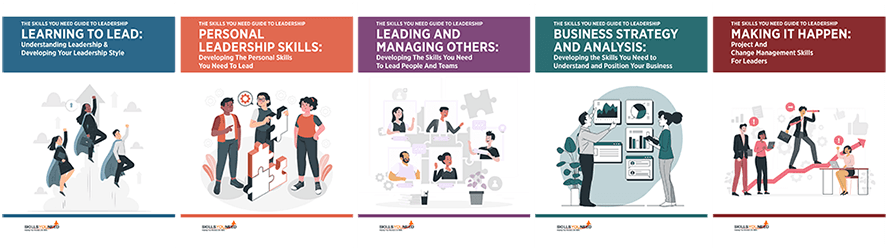
The Skills You Need Guide to Leadership eBooks
Learn more about the skills you need to be an effective leader.
Our eBooks are ideal for new and experienced leaders and are full of easy-to-follow practical information to help you to develop your leadership skills.
Conclusion
A successful organization focuses intensely on engagement and productivity, fostering an environment where employees feel both challenged and supported. By taking a strategic approach to goal-setting, communication, and resource allocation, leaders can break down silos and inspire truly exceptional work.
Ultimately, everyone reaps the rewards once managers find the right formula for teamwork and collaboration. When you prioritize the human element of your operations alongside your technological infrastructure, increased productivity naturally follows.
About the Author
Ellie Harris is a Corporate Leadership Consultant and Organizational Psychologist with over 15 years of experience helping Fortune 500 companies optimize their team dynamics. She specializes in designing collaborative frameworks that maximize employee engagement without sacrificing operational output.