

5 Skills You Need to Make Your Business Sustainable
See also: Entrepreneurial SkillsTransitioning a traditional enterprise into a truly sustainable business is one of the most complex, yet vital, challenges a modern leader will face.
Many entrepreneurs mistakenly believe that unless they operate in the renewable energy sector or sell organic produce, their business model is inherently incompatible with environmental stewardship. This kind of thinking is fundamentally flawed and financially dangerous in the modern economy.
Today, sustainability is no longer a niche marketing tactic or a corporate social responsibility afterthought; it is a core business imperative. Consumers demand transparency, investors require strict ESG (Environmental, Social, and Governance) reporting, and global regulatory bodies are enforcing rigorous net-zero targets. While it is true that certain heavy industries have a steeper hill to climb, every single organization can drastically reduce its ecological footprint while simultaneously boosting its bottom line. However, to successfully navigate this transition, leaders must cultivate a highly specific set of professional skills.

Essential Skills for Building a Sustainable Enterprise
Transforming your operations to align with a greener future requires more than just good intentions. It demands strategic foresight, deep industry knowledge, and exceptional interpersonal abilities. Here are the five critical skills you need to make your business sustainable in the modern era.
-
Comprehensive ESG and Sustainability Knowledge
You cannot fix what you do not understand. To build a sustainable business, leaders must develop a robust foundational knowledge of modern environmental metrics. This means moving far beyond simply placing recycling bins in the office breakroom. You must understand the intricacies of ESG reporting, the principles of the circular economy, and the critical differences between Scope 1, Scope 2, and Scope 3 carbon emissions.
Sustainable use of water, ethical supply chain management, and a commitment to zero-waste manufacturing can save an enterprise millions in operational costs. Peak efficiency naturally equates to less waste and lower expenditure. Furthermore, the green economy is currently the fastest-growing sector globally. By deeply understanding sustainable frameworks, you position your company to capitalize on emerging green subsidies, attract top-tier ethical investment, and tap into new, lucrative markets that traditional, high-emission competitors are entirely blind to.
-
Long-Term Strategic Thinking and Forecasting
Historically, corporate success has been violently driven by the pursuit of immediate quarterly profits. However, the most successful and resilient modern companies are those that prioritize the next ten, twenty, or fifty years over next month's earnings report. Strategic thinking is absolutely essential for sustainable business leadership, as environmental ROI is often realized over a longer horizon.
Transitioning to eco-friendly infrastructure often requires significant upfront capital. For example, overhauling a logistics fleet to electric vehicles or upgrading a manufacturing facility takes time and money. Yet, sustainable businesses understand the profound long-term financial returns of these decisions. As energy prices fluctuate and fossil fuels become heavily taxed, proactive companies are insulating themselves from market volatility. Many forward-thinking organizations choose to cut electricity expenses using solar panels to secure long-term energy independence. The money is spent in the short term, but the operational savings and competitive advantages generated over the following decades are immeasurable.
-
Authentic Communication and Contagious Enthusiasm
A sustainable vision is entirely useless if it remains trapped inside the CEO's head. Training, educating, and genuinely inspiring your workforce is vital to the success of any environmental initiative. Leaders must possess exceptional communication skills to articulate exactly why the business is transitioning and how each employee plays a crucial role in that journey.
Your staff should feel a profound sense of pride working for a company that actively protects the planet. When employees understand the bigger picture, they become your most effective brand ambassadors. However, this enthusiasm must be rooted in absolute authenticity. Modern consumers and employees are highly sensitive to "greenwashing"—the practice of making misleading claims about the environmental benefits of a product. Leaders must communicate their sustainability goals with total transparency, openly acknowledging where the company currently falls short and detailing the exact, measurable steps being taken to improve.
-
Collaborative Networking and Partnership Building
The damage to our global environment is a systemic issue that requires unilateral, cooperative action. No single business can achieve net-zero in total isolation. You must possess a strong desire to learn from others and actively build collaborative industry partnerships, even with those you might consider competitors in other arenas.
If you do not know how to source sustainable packaging, ask an industry peer who does. If you are struggling to reduce your Scope 3 emissions (the emissions generated by your external supply chain), you must work directly with your vendors to help them modernize their own practices. There are countless global guilds, eco-initiatives, and industry consortiums dedicated to the networking of sustainable business leaders. Cultivating high-quality networking skills allows you to share resources, split the costs of green research and development, and collectively lobby for better environmental infrastructure in your region.
-
Agility and Receptiveness to Constructive Criticism
The science of sustainability and the associated regulatory landscapes are constantly evolving. What was considered a cutting-edge "green" practice five years ago might be revealed as environmentally harmful today. Therefore, a sustainable leader must be highly agile and willing to accept that their current approach might need to be completely overhauled.
For instance, a company might invest heavily in biodegradable plastics, only to learn later that local municipal facilities lack the infrastructure to actually compost them, meaning the materials end up in a landfill anyway. When faced with this reality, a successful leader does not stubbornly double down on their mistake to save face. Instead, they demonstrate immense adaptability. Making the world a better place is incredibly complicated, and good intentions often go astray. You must be humble enough to accept constructive criticism from environmental auditors, listen to consumer feedback, and rapidly pivot your strategies when the science demands it.
Further Reading from Skills You Need
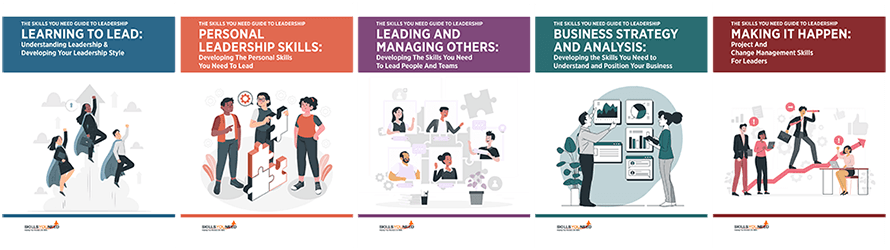
The Skills You Need Guide to Leadership eBooks
Learn more about the skills you need to be an effective leader.
Our eBooks are ideal for new and experienced leaders and are full of easy-to-follow practical information to help you to develop your leadership skills.
Conclusion
Building a sustainable business is not a one-time project to be completed and forgotten; it is a continuous, evolving journey. It requires leaders who are willing to look past short-term quarterly gains and embrace the immense responsibility of securing a viable future for both their enterprise and the planet.
You will need to be patient as new green initiatives take time to yield financial returns. You will need to be profoundly persistent when faced with internal resistance or logistical hurdles. Above all, you must genuinely believe in the moral and economic importance of sustainable business practices. If you can cultivate these vital leadership skills and apply them with unwavering dedication, you will not only future-proof your company, but you will also make a measurable, positive difference in the world.
About the Author
James Clarke is a Sustainable Business Consultant and corporate strategist with over a decade of experience helping traditional enterprises transition toward net-zero operations. He specializes in circular economy implementation, ethical supply chain auditing, and ESG reporting. When he isn't advising corporate boards on environmental strategy, James enjoys organic gardening and leading conservation efforts in his local community.