

8 Stress Management Techniques
for Veterans
See also: What’s Stressing You Out? Quiz
Returning to civilian life after dedicated military service is a profound adjustment that fundamentally alters a veteran's daily routine, identity, and support network. The transition brings many structural changes and psychological challenges that can negatively impact mental health and overall well-being if left unaddressed. Feeling chronically stressed is incredibly common, whether it is from missing the intense camaraderie of service, struggling to find purpose in a new civilian career, fighting trauma from combat exposure, or facing complex logistical reintegration hurdles.
Managing stress effectively is absolutely crucial for veterans to maintain their physical health, nurture family relationships, and secure a high quality of life. This article outlines eight practical, evidence-based techniques veterans can use to safely and effectively handle post-service stress.
The Importance of Stress Management for Veterans
Learning to manage stress in healthy, sustainable ways is critical for veterans after leaving military life. The military environment conditions the nervous system to remain in a state of high alert—often referred to as hyperarousal. When returning to the civilian world, this elevated baseline can make ordinary situations feel overwhelmingly stressful. Unmanaged, this chronic stress takes a severe toll physically, mentally, and emotionally.
Prolonged stress can actively contribute to substance abuse as a coping mechanism, strained personal relationships, severe sleep issues, unexpected anger outbursts, clinical depression, and even suicidal ideation. Building emotional resilience through dedicated self-care helps veterans successfully regain nervous system balance and emotional stability. This empowers them to move forward in civilian life with renewed purpose, hope, and clarity.
Practical Stress Management Techniques
There is no single "cure" for transition stress, but layering multiple coping strategies creates a robust safety net. Consider implementing the following techniques into your daily and weekly routines.
-
Prioritise Peer Support and Camaraderie
Connecting with fellow veterans provides invaluable, unspoken understanding and support that is difficult to find in the civilian sector. Veteran peers truly comprehend the unique experience of military life and the complex challenges of transition. Participating in structured veteran support groups, formal buddy systems, and local camaraderie activities is strongly encouraged. The shared bond and mutual aid help ease feelings of isolation and validate common reintegration struggles.
Sharing stories, institutional knowledge, and community resources provides encouragement and motivation to meet civilian goals. For some veterans, establishing a routine check-in with a peer support buddy can make a massive difference in managing baseline mental health. Building trust and understanding with those who share military experience helps veterans feel significantly less alone during challenging times. Investing time in veteran peer groups generates crucial, life-saving social connections.
-
Seek Specialized Counselling and Therapy
Veterans can greatly benefit from specialized counselling and clinical therapy meticulously tailored to the specific needs of military members. The VA and various veteran-specific mental health organizations offer evidence-based programs addressing complex issues like combat trauma, Post-Traumatic Stress Disorder (PTSD), moral injury, and civilian reintegration. Talking to trained professionals who intimately understand military culture provides immense comfort and breaks down the stigma of seeking help.
Specialized clinical counselling equips veterans with healthy coping strategies and precise techniques to process deep trauma. For example, Eye Movement Desensitization and Reprocessing (EMDR) therapy is specifically designed to reprogram distressing memories that plague PTSD sufferers. Exposure therapy also helps veterans safely face fears stemming from combat experience in a highly controlled setting. Support groups facilitated by therapists with military backgrounds provide a judgment-free, secure space for veterans to process their emotions.
-
Engage in Purposeful Activities and Hobbies
Pursuing meaningful activities and hobbies actively helps veterans rediscover a sense of purpose beyond the military uniform. Volunteering in the community, mentoring at-risk youth, continuing higher education, or mastering new skills can provide a powerful sense of daily accomplishment. Having actionable goals and fulfilling work empowers veterans to keep making a tangible difference in the world.
Seeking out purposeful pastimes that align directly with a veteran's existing strengths and interests is key. For example, veterans skilled in logistics and engineering could pursue intricate projects like woodworking, making custom furniture, or building homes for local charities. Those passionate about mechanics may find immense reward in repairing vehicles or teaching community auto shop classes. Talented veteran artists and musicians might offer lessons or form therapeutic creative groups. Furthering a favourite hobby to an advanced level or teaching others helps veterans rapidly regain lost confidence.
-
Embrace Nature and Outdoor Activities (Eco-Therapy)
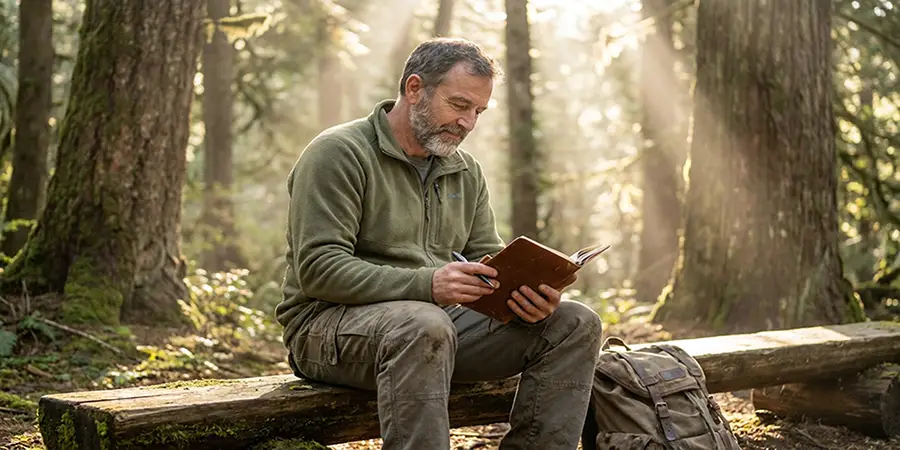
Spending dedicated time outdoors and immersed in nature has proven, scientifically backed therapeutic effects on a stressed nervous system. Activities such as rigorous hiking, back-country camping, fishing, or even backyard gardening can drastically reduce systemic stress and anxiety levels. The peacefulness and grounding effects of the natural world naturally promote deep relaxation, away from the overstimulating noise of urban civilian life.
Structured outdoor programs, like equine therapy, involve working closely with horses to promote calmness, empathy, and non-verbal communication. Gardening therapy provides veterans with practical horticulture skills while surrounded by the absolute serenity of nature. Guided hunting and camping excursions in pristine wilderness settings help clear the mind and reset overloaded senses. Actively connecting with nature allows veterans to step away, recharge, and safely process their thoughts.
-
Maintain Physical Exercise and Activity
For veterans, engaging in physical activity—especially with a social component—can be exceptionally beneficial for managing stress. Organized sports leagues tailored for veterans provide necessary camaraderie and team support in addition to the obvious physical benefits. Many VA centres and veteran charities hold dedicated exercise classes, such as trauma-informed yoga for managing PTSD or water aerobics for physical rehabilitation.
Engaging in regular cardiovascular exercise, strength training, or competitive sports is a medically proven way to relieve chronic stress. Intense exercise boosts feel-good endorphins and vital neurotransmitters in the brain. Just 30 minutes of elevated heart rate per day can significantly enhance mood and lower resting cortisol levels. Maintaining an active lifestyle also vastly improves sleep quality and daily self-confidence.
-
Practice Mindfulness and Meditation
Mindfulness involves focusing completely on the present moment with open, non-judgmental awareness. Meditation is the formal practice that trains your mind to engage in this mindfulness. The resulting calming effects directly lower blood pressure, reduce muscle tension, and increase overall relaxation. Mindfulness also helps veterans gain necessary perspective and develop greater emotional resilience against sudden triggers.
Breathing-focused meditation is incredibly simple and can be executed anywhere, making it a perfect tool for sudden anxiety spikes. Walking meditation combines mindfulness with gentle, rhythmic movement. Mantra meditation involves repeating a grounding phrase to calm a racing mind. Regular meditation, even just 5 to 10 minutes daily, boosts a veteran's innate ability to accurately regulate emotions, manage chronic pain, and organically de-stress without relying on medication.
-
Cultivate Long-Term Resilience
Formal programs teaching veterans mindfulness, advanced meditation, and resilience-building can greatly assist in managing long-term stress. Techniques that actively increase self-awareness, emotional regulation, radical acceptance, and adaptive coping strategies fundamentally enhance daily well-being. Resilience training aids veterans in learning to be fully present and actively let go of negative, spiraling rumination about the past.
Keeping a daily gratitude journal shifts a veteran's perspective to appreciate current positives versus ruminating on perceived civilian negatives. Learning to be attentive and present helps veterans respond thoughtfully to civilian stressors rather than reflexively reacting with military-conditioned aggression or withdrawal.
-
Reflect on Purpose and Service
Reflecting objectively on the meaning of their service helps many veterans gain vital perspective on their life journey. Recognizing their personal sacrifice and enduring contributions provides a renewed sense of purpose and self-worth. For most veterans, their dedicated service taught them core values like duty, honour, and integrity that can, and should, still guide their civilian careers today.
Some veterans create structured scrapbooks with memories and photos from their deployments to safely process complex emotions. Attending formal events and community ceremonies offers an excellent opportunity to feel appreciated by the civilian public. However, reflection should absolutely not be limited to just one national holiday a year. Regularly taking quiet time to remember their service helps veterans fully integrate that vital part of their identity into their new civilian life.

Further Reading from Skills You Need
The Skills You Need Guide to Stress and Stress Management
Understand and Manage Stress in Your Life
Learn more about the nature of stress and how you can effectively cope with stress at work, at home and in life generally. The Skills You Need Guide to Stress and Stress Management eBook covers all you need to know to help you through those stressful times and become more resilient.
Conclusion
Returning to civilian life is rarely a seamless process, but managing stress in healthy, proactive ways empowers veterans to successfully move forward after military life. By intentionally implementing techniques like vigorous exercise, daily mindfulness, structured social connection, and seeking specialized clinical help, veterans can effectively handle civilian challenges and truly thrive. Prioritizing self-care and emotional resilience allows veterans to live life to the absolute fullest, ensuring their service and sacrifices form the foundation of a highly successful civilian future.
About the Author
Dr. Anna Chaplin is an occupational therapist and clinical counsellor specializing in military-to-civilian reintegration. She has spent over a decade working directly with veterans to develop personalized stress management and resilience strategies.