

How Stress Affects Your Communication Skills
See also: Improving Communication SkillsStress is an inevitable part of modern life. Between demanding careers, complex personal responsibilities, and a hyper-connected digital landscape, almost everyone experiences periods of acute or chronic stress.
Fundamentally, stress is a physiological and psychological reaction to a perceived threat or an overwhelming demand on your time and resources. While short bursts of stress can actually be beneficial—heightening your focus and boosting productivity for an impending deadline—prolonged stress takes a severe, compounding toll on your body and mind.
Crucially, one of the very first casualties of high stress is your ability to interact effectively with others. Understanding exactly how stress hijacks your brain and fundamentally impairs your communication skills is the first necessary step toward regaining control and protecting your personal and professional relationships.

The Physiology of Stress
When you encounter a stressful situation, your body instinctively initiates a primal "fight-or-flight" response, mediated by the sympathetic nervous system. Your brain immediately floods your bloodstream with potent hormones like cortisol and adrenaline. This chemical cocktail is evolutionarily designed to prepare you to either confront a physical danger directly or run away from it as fast as possible.
However, the modern human brain often struggles to differentiate between a genuine physical threat (like a predator) and a psychological stressor (like a looming project deadline or an impending difficult conversation). When you are constantly bombarded by non-life-threatening stressors, your body remains trapped in an elevated state of arousal. Over time, when this stress becomes severe or chronic, it manifests in numerous damaging ways across your entire body and mind.
Physical Symptoms
The most common physical symptoms of stress include:
Persistent muscle aches, tension in the neck and shoulders, and a clenched jaw.
Gastrointestinal issues, including an upset stomach, nausea, or irritable bowel syndrome (IBS).
Severe sleep disturbances, chronic insomnia, and lingering daytime fatigue.
Frequent tension headaches or debilitating migraines.
A weakened immune system, leaving you more susceptible to common colds and infections.
Hyperventilation, shallow breathing, and a racing or irregular heartbeat.
Left unmanaged, prolonged stress can lead to severe long-term health complications, including dangerously high blood pressure, cardiovascular disease, and sudden panic attacks.
Mental and Emotional Symptoms
Stress also severely depletes your daily cognitive reserves, leading to prominent psychological and emotional symptoms such as:
Pervasive anxiety, excessive worry, and catastrophic thinking.
Heightened irritability, sudden mood swings, and a remarkably short temper.
Constant feelings of being overwhelmed, unsupported, or entirely out of control.
Clinical depression, apathy, and chronically low self-esteem.
A strong, overwhelming desire to isolate oneself and actively avoid social interactions.
How Stress Negatively Impacts Communication
Because the fight-or-flight response ruthlessly prioritises basic, immediate survival over nuanced, complex social interaction, high stress directly impairs your communication skills in several distinct and highly destructive ways:
It Shuts Down Rational Thought
When systemic cortisol levels spike rapidly, the brain actively diverts energy away from the prefrontal cortex—the sophisticated area responsible for logic, reasoning, empathy, and impulse control. Instead, it shifts control to the amygdala, the primitive region that governs raw, primal emotions. As a direct result, stressed individuals temporarily lose their emotional intelligence. You may find yourself abruptly snapping at well-meaning colleagues, struggling to articulate your thoughts clearly, or becoming easily frustrated by minor, easily resolvable misunderstandings.
It Sabotages Active Listening
Effective, two-way communication requires you to truly hear, interpret, and process what the other person is saying without premature judgment. However, a highly stressed brain is intrinsically distracted by internal panic, physical discomfort, or racing thoughts. This cognitive overload makes genuine active listening practically impossible. Instead of absorbing the speaker's core message and underlying emotions, you are likely planning your next verbal defence, formulating a counter-argument, or simply zoning out entirely to protect your limited energy.
It Distorts Your Non-Verbal Cues
Human communication is largely unspoken. When you are operating under heavy stress, your body language inevitably betrays your internal tension. Rigid, tense shoulders, a tightly locked jaw, a distinct lack of eye contact, and defensively crossed arms all send aggressive or closed-off signals to others. Even if your spoken words remain perfectly polite and professional, your non-verbal communication may easily cause others to perceive you as hostile, dismissive, or completely unapproachable.
It Diminishes Empathy and Perspective-Taking
Stress inherently forces the brain into a state of intense self-preservation and hyper-focus on immediate personal survival. Consequently, your ability to understand or validate another person's perspective—your empathy—is drastically reduced. When communicating under stress, you are far more likely to view interactions as zero-sum conflicts where one person must win and the other must lose, rather than collaborative opportunities for mutual problem-solving.
It Encourages Social Withdrawal
Chronically stressed individuals often suffer from profound cognitive overload, making the simple effort of maintaining a casual conversation feel physically exhausting. This naturally leads to protective social withdrawal. You may begin ignoring important emails, actively avoiding phone calls, or isolating yourself from your closest loved ones. Over time, this consistent withdrawal causes the foundational trust within personal and professional relationships to completely break down.
How to Manage Stress and Restore Communication
To tangibly improve your daily interactions, you must first address the underlying physiological and psychological tension. Here are highly effective, actionable strategies to break the cycle of stress-induced miscommunication.
Identify Your Specific Triggers
One of the first, most crucial steps to overcoming a stressful communicative episode is to pinpoint its exact source. Consider that stress triggers are highly subjective; what causes an acute panic response in one person might barely affect a colleague. You might be intensely stressed by impromptu public speaking or conflict, while another person is stressed by ambiguous instructions or tight deadlines. Take the dedicated time to identify your specific stressors—perhaps by meticulously keeping a written stress diary—so you can systematically develop a targeted plan to manage them before they derail a conversation.
Communicate Your Needs Assertively at Work
Excessive workplace demands and unclear boundaries are a leading cause of chronic anxiety. If you are under immense pressure from a manager with entirely unrealistic expectations, remaining silent will only breed deep resentment and further exacerbate your stress. Practise professional assertiveness by actively requesting a one-on-one meeting to clarify your workload and expectations. While permanently reducing your required tasks may not always be feasible, opening a transparent, honest channel of communication allows your superiors to help you prioritise effectively and prevents passive-aggressive communicative breakdowns later.
Utilise the 'Strategic Pause'
When you feel a conversation becoming heated and your stress levels rising, do not immediately react. Instead, implement a strategic pause. Simply taking three slow, deep breaths before you open your mouth to reply physically interrupts the amygdala's hijack. This brief, calculated pause allows your prefrontal cortex just enough time to come back online, ensuring your verbal response is driven by logic and intention rather than raw, defensive emotion.
Open Up in Your Personal Relationships
When you feel completely overwhelmed by external pressures, the instinctive reaction is often to shut down entirely and push people away. However, repressing your intense feelings usually exacerbates the internal tension. Reach out proactively to a trusted friend, family member, or romantic partner. By verbalising your specific frustrations in a calm, gentle manner before you reach an absolute boiling point, you instantly lessen the intensity of your anxiety. Furthermore, when your loved ones explicitly understand why you are tense, they are far less likely to misinterpret your stressed, distant body language as a personal slight against them.
Holistic Ways to Reduce Stress
Beyond actively improving how you manage interactions in the moment, adopting a comprehensive, holistic approach to your overall physical and mental wellbeing will naturally lower your baseline stress levels, making you a vastly better communicator by default.
Exercise Regularly: Physical activity—whether it is a brisk daily walk, an intense yoga session, or lifting weights—actively metabolises accumulated stress hormones like cortisol and releases powerful endorphins, lifting your mood naturally and clearing mental brain fog.
Improve Your Nutrition: Strictly limit your daily intake of refined sugar, alcohol, and high doses of caffeine, all of which can chemically mimic or severely exacerbate the physical symptoms of anxiety. Focus instead on nutrient-dense whole foods that sustain your energy levels evenly throughout the day.
Practise Daily Mindfulness: Engaging in formal mindfulness meditation or structured deep-breathing exercises can quickly deactivate the sympathetic nervous system's fight-or-flight response, firmly grounding you in the present moment and increasing your overall emotional regulation capacity.
Prioritise Quality Sleep: Rigorously aim for seven to eight hours of high-quality, uninterrupted sleep per night. Sleep is fundamentally necessary to allow your brain to process complex emotional data, consolidate memories, and physically recover from the day's heavy cognitive load.
Engage in Restorative Hobbies: Deliberately dedicate time in your weekly schedule to activities that bring you genuine joy and require focus without any external pressure, such as gardening, painting, reading fiction, or woodworking.

Further Reading from Skills You Need
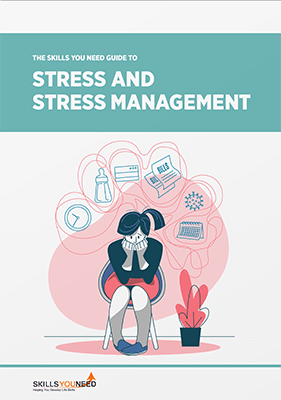
The Skills You Need Guide to Stress and Stress Management
Understand and Manage Stress in Your Life
Learn more about the nature of stress and how you can effectively cope with stress at work, at home and in life generally. The Skills You Need Guide to Stress and Stress Management eBook covers all you need to know to help you through those stressful times and become more resilient.
Conclusion
Stress is an entirely universal human experience, but it absolutely does not have to dictate the trajectory of your life or destroy your most valued relationships. By developing a clear understanding of how anxiety actively impairs your brain's fundamental ability to communicate, you can effectively learn to recognise the physiological warning signs long before a simple conversation turns into a damaging conflict.
Take proactive, intentional control of your wellbeing by identifying your unique triggers, adopting highly healthy physiological habits, and making a conscious, daily effort to keep your communication channels wide open. By successfully managing your stress, you will not only dramatically improve your own overall quality of life but also consistently show up as a clearer, far more empathetic communicator to everyone around you.
About the Author
Alex Oger is an Organizational Psychologist and Executive Communication Coach. With over a decade of experience consulting for high-pressure corporate teams, he specializes in conflict resolution, emotional intelligence training, and workplace stress management. When he isn't running workshops, Alex enjoys restoring vintage road bicycles and hiking.