

Top Skills You Develop Through Meditation
See also: MindfulnessThe focusing of the mind through meditation brings deep benefits to our health and wellbeing. Having a regular meditation practice will help you to remain calm; reduce stress, tension, anxiety, anger, and depression; improve memory, focus, inner peace, and whole-body health; as well as boost your concentration and mental clarity.
All these benefits come when you regularly quiet your mind and go within, connecting to your inner self and tapping into the calm source of all that you are. But beyond the immediate physiological relief, meditation is a profound training ground. It is an active exercise in mental discipline.
Aside from long-lasting health benefits, meditation teaches you to develop life-changing soft skills through the actual practice of sitting down to quiet your mind and focus on your breath. In our increasingly distracted modern world, these skills have never been more critical. The ability to direct your attention deliberately is the foundation of high performance, strong emotional intelligence, and lasting contentment.
Many people mistakenly believe that meditation is simply about emptying the mind or escaping reality. In truth, it is the exact opposite. It is the practice of engaging fully with reality as it is, without the distortion of our own constant mental chatter. By committing to a daily practice—even just ten minutes a day—you begin to rewire your brain, forging new neural pathways that support better decision-making, greater empathy, and enhanced emotional regulation.
Here are ten top skills that a regular meditation practice can help you to develop, transforming not just how you feel, but how you operate in every area of your life.
10 Essential Skills Developed Through Meditation
Being Present
Being present, not only with ourselves but with others, is an invaluable skill. Learning to be fully present with other people can greatly enhance our personal relationships. When we are able to listen fully and give our undivided attention, we communicate better, avoid misunderstandings, and learn new things more easily. Being present with ourselves gives us the insight we need to understand our moods and emotions. It allows us to notice the subtle physical signs our body gives us before stress escalates into full-blown burnout. In a professional setting, presence translates into active listening and better collaboration.
Learning to Consciously Relax
The deep breathing and present moment awareness that comes with meditation can help you to relax at will during other times of your life. It is a highly practical skill, especially at night if you struggle to get to sleep. You can release tension and stress held in your body by employing the same body-scanning techniques you use while meditating. Rather than relying on external stimuli to wind down, you build an internal toolkit for self-soothing. This conscious relaxation lowers cortisol levels, reduces blood pressure, and promotes a state of physical recovery that is essential for maintaining long-term health and vitality.
Witnessing Thoughts Without Judgement
When you learn to still the thinking mind, you master the skill of allowing your thoughts to pass without following them, fighting them, or clinging to them. It is an empowering and essential part of meditation. Once you have this skill, you can see its profound benefits in your conscious life. The ability to witness your thoughts without judgement means you are no longer controlled by them or by the negativity they often bring up. You begin to understand that you are not your thoughts; you are the observer of them. This creates a psychological buffer zone between a triggering event and your reaction to it, fostering greater emotional maturity and resilience.
Focus and Concentration
When you can focus on a single object or simply on your breath without being distracted, you strengthen your ability to concentrate and hold your attention for extended periods. This is a solid foundation for productivity, happiness, and strong mental health in every other area of your life. In an era dominated by constant notifications, multitasking, and fragmented attention spans, the ability to focus deeply on one task is a rare and highly sought-after professional skill. Regular meditation acts like a gym workout for your attention span, training your brain to notice when it has wandered and gently bringing it back to the task at hand.
Deepened Intuition and Inner Trust
When you meditate, you strengthen your deep, inner knowing or intuition. This can help you in complex life situations when you need to trust your own wisdom to make the right choice for your circumstances. The simple practice of tuning into yourself regularly deepens this connection and makes it a natural way for you to clarify what you want. Instead of seeking constant external validation or agonizing over the opinions of others, you develop the quiet confidence to take a direction based on your own internal compass. Decision-making becomes less fraught with anxiety and more aligned with your core values.
Cultivating Mindfulness
You develop the skill of mindfulness every time you concentrate on the present moment in meditation. Mindfulness is the ability to be in the moment and pay attention to whatever is happening in a way in which you are fully aware and engaged. You can bring this skill to your everyday life and enjoy all the small but miraculous moments that make up the bigger picture. This brings a deep sense of contentment and fulfilment. Whether you are eating a meal, walking to work, or listening to a colleague, applying mindfulness ensures you are extracting the maximum value and joy from the experience, rather than rushing blindly toward the next objective.
Maintaining an Open Mind
When you meditate, you are practicing non-judgement, learning to simply observe and accept things exactly as they are. This encourages a truly open mind in the rest of your life, helping you to remain an objective observer of situations rather than someone constrained by limited preconceptions or biases. An open mind is crucial for adaptability and learning. It helps you to navigate change without immediate resistance and allows you to consider alternative perspectives in workplace conflicts or personal disagreements. By shedding rigid expectations, you remain curious, spontaneous, and highly adaptable.
Tuning Into Your Body's Needs
Meditation teaches you to become highly sensitive to the messages your physical body sends you. Whether there is an area that requires healing, focus, or attention, tuning into yourself can help you become acutely aware of what your body actually needs. Often, we ignore the early warning signs of illness, fatigue, or dehydration because our minds are too busy planning the future or ruminating on the past. Through regular practice, you develop the habit of checking in with your physical state. This proactive approach to well-being allows you to rest when you need to, hydrate appropriately, and address physical tension before it manifests as chronic pain.
Emotional Regulation and Healing
Meditation can awaken you to some deep areas within your psyche that need your attention. Whether it involves repetitive behaviour that keeps surfacing, long-held self-esteem issues, emotional wounds from the past, or simply learning to manage daily frustrations. Meditation helps you to identify and heal these psychological patterns in your waking life. The work done through meditation and deep inner connection spills out into your everyday experience. You become much more aware of when you are triggered emotionally or perhaps repeating negative cycles, allowing you to pause and choose a healthier, more constructive response rather than falling back on destructive habits.
Boosting Creativity and Problem Solving
Meditation can help you to hone your ability to visualize and innovate. You become more attuned to the images, thoughts, and impulses that reach you in that quiet state. This translates to increased creative thinking during your normal life. When the mind is cluttered with stress and anxiety, it operates in a survival mode that stifles innovation. By clearing the mental static, meditation creates the spaciousness required for lateral thinking. It gives you the motivation and courage to think outside the box, see recurring problems in entirely new ways, and create with confidence at home or at work.

Further Reading from Skills You Need
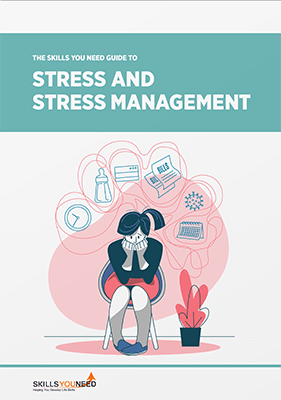
The Skills You Need Guide to Stress and Stress Management
Understand and Manage Stress in Your Life
Learn more about the nature of stress and how you can effectively cope with stress at work, at home and in life generally. The Skills You Need Guide to Stress and Stress Management eBook covers all you need to know to help you through those stressful times and become more resilient.
Conclusion
It is always a good idea to try out different meditation techniques to see which best suits your lifestyle and personal preferences. Some people benefit greatly from silent, seated meditation, others find easier focus by chanting a mantra or engaging in visualisations, and for some, walking meditation or mindful movement is essential to reach that calm, quiet place.
The most important thing to remember is that repetition and dedication are the real keys when it comes to reaping the profound benefits of meditation. Stick with your practice, even when it feels difficult. Do not be put off by the misconception that you must stop your thoughts. True meditation is about learning to observe your mind, whatever state it happens to be in at any given moment. There is no right and wrong; there is only you, returning to your breath again and again with the willingness to learn, grow, and develop the skills you need for a better life.
About the Author
Charlie is a mindfulness educator and wellness consultant with over a decade of experience in personal development. After a transformative visit to Northern India sparked his dedication to meditation, he has maintained a daily practice that forms the foundation of his work. When he isn't writing or coaching, Charlie enjoys hiking and exploring the outdoors.