


How to Deal with a Skills Gap
When Implementing New Technologies
See also: The Skills Gap
Ask any business leader about the greatest challenges they face, and the chances are that recruiting and retaining tech talent is a primary concern. In our rapidly evolving digital world, many organisations are facing a significant technology skills gap.
As new technologies become essential in every aspect of the work landscape, businesses of all sizes cannot afford to fall behind. Failing to bring the right skills onto your team can hinder growth, reduce efficiency, and leave you vulnerable to competitors. Successfully navigating digital transformation, therefore, depends on your ability to address this gap head-on.
Here’s what you need to know about overcoming the tech skills gap in your business with a clear, step-by-step approach.
-
Identify the Gap You’re Trying to Fill
The first step in overcoming any talent gap is to figure out precisely what skills your team needs to enhance and improve. A one-size-fits-all training program is rarely effective. The technology skills development program you build for your company must align with the specific strategic goals you want to accomplish.
Not every business will need to launch a data analytics training program, and not every company will require its employees to become experts in blockchain or AI.
Sit down with your leadership team and consider which new technologies you are introducing and which employees will need to learn how to use them. It is important to recognise that not everyone on your team will necessarily require the same level of training. Your goal is to be strategic, not exhaustive.
To do this effectively, you need to benchmark your employees. This involves:
Mapping Your Team: List the employees and departments that deal most frequently with technology or will be most affected by the new implementation.
-
Conducting a Skills Audit: For each of those employees, create a skills matrix to highlight their current skills and identify any gaps in relation to the new technology. This can be done through self-assessments, manager evaluations, or even practical tests. Platforms like iMocha’s Skill Gap Analysis can further streamline this process by providing data-driven insights into current capabilities, proficiency levels, and targeted upskilling needs.
Holding One-on-One Meetings: Have open conversations with each team member to understand their perspective. Ask them what kind of training they feel would make them more efficient and confident in their role. This not only provides valuable insight but also increases employee buy-in for the training process.
Before you invest in any training, you must have a clear plan that defines which employees you are targeting, the range of competencies you will cover, the proficiency levels required for different roles, and the time frame needed to complete the initiative.
-
Consider Your Options for Training
Once you know what you want to accomplish by upskilling your employees, you can begin to explore the various training opportunities available. While there are benefits to bringing new staff into your workplace to fill certain skill gaps, it is also incredibly valuable to make the most of the talent you already have.
Though training your current employees will take some time out of their typical workday, the benefits of upskilling are significant. These advantages range from happier, more satisfied staff members to loyal professionals who remain committed to your team for years to come. Research suggests that providing regular training opportunities can significantly reduce employee turnover. Of course, you need to find the right kind of training first.
Some employees may respond well to traditional, lecture-based training. However, this one-dimensional approach does not work for everyone, especially when learning practical tech skills. Many employees will need more interactive and hands-on courses to get a real feel for the innovations you’re bringing into their landscape. Consider a blended approach that includes a variety of methods:
Gamification: This involves using game-like elements, such as points, leaderboards, and rewards, to make learning more engaging and to teach practical applications tied to clear incentives.
Interactive Demonstrations and Simulations: These allow people to dive deeper into the inner workings of a new technology in a safe, controlled environment where they can learn by doing without fear of making a critical error.
Peer Mentoring: As you introduce a new technology, you will likely find that some team members are "early adopters" who pick it up quickly. You can turn these individuals into internal mentors who can support and guide the rest of the team, providing on-the-job assistance in a collaborative and non-intimidating way.
-
Online Learning Platforms: Subscriptions to online learning platforms can provide a flexible and cost-effective way for employees to learn at their own pace. Teams that build technology cost discipline cloud skills also learn to spot wasteful spending before it grows into a bigger budget problem.
-
Deliver Incentives and Foster a Culture of Continuous Education
Finally, it is important to remember that introducing technology into the business landscape is not a one-time event. You will need to start from the foundations, ensuring that your existing employees have the basic digital literacy they need to thrive before you move on to more advanced topics. For instance, if your staff doesn’t know how to protect themselves from phishing emails, they will have a hard time adopting a complex new cybersecurity tool.
Once you have the foundations in place, you can then begin to build on them with specific insights into topics that are relevant to your organisation. Even when you think that everyone is at the right level of education, you should be continually incentivising your employees to continue their learning through continuing professional development. When employees further their education, everyone benefits.
Your company gets a workforce that is more productive, versatile, and engaged. At the same time, generous educational policies can help to reduce turnover and attract exceptional new talent.
Incentives do not have to be purely financial. While contributing to the cost of formal qualifications is an excellent perk, you can also foster a culture of continuous learning by:
Providing Dedicated Learning Time: Allocating a few hours each month for employees to dedicate to self-directed learning shows that you value their development.
Recognising Achievements: Publicly celebrate employees who complete a new certification or master a new skill. This recognition can be a powerful motivator.
Linking Skills to Career Progression: Create clear career paths that show employees how acquiring new skills can lead to promotions and greater responsibility within the company.
Conclusion
As the skills gap in the technology landscape continues to affect companies in all industries, no brand can afford to take risks with its staff’s education. Failing to provide your employees with the right training doesn't just lead to underperformance. Employees who do not know how to handle new technology correctly can end up making dangerous mistakes, leading to wasted resources, poor use of time, and even significant data breaches.
In an age where digital transformation is affecting businesses from all backgrounds, it is vital to ensure that your team members are ready to embrace the digital landscape. By strategically identifying the skills you need, providing engaging and effective training, and fostering a culture of continuous learning, you can close the gap and empower your team to drive your business forward.
Further Reading from Skills You Need
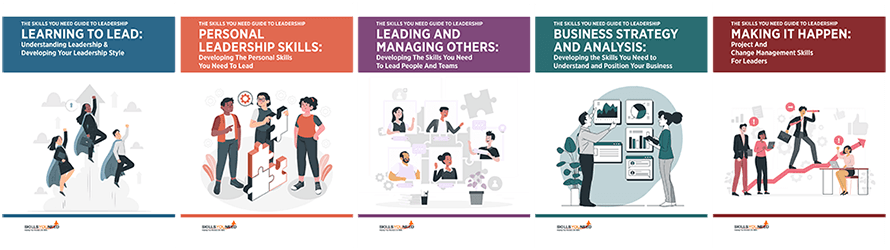
The Skills You Need Guide to Leadership eBooks
Learn more about the skills you need to be an effective leader.
Our eBooks are ideal for new and experienced leaders and are full of easy-to-follow practical information to help you to develop your leadership skills.
About the Author
Lisa Michaels is a freelance writer, editor and a thriving content marketing consultant from Portland. Being self-employed, she does her best to stay on top of the current trends in business and tech.
Continue to:
Lifelong Learning
Transferable Skills