


8 Essential Skills You Need to
Upgrade Your Salon Management
See also: Tips to Improve Customer Service
Running a successful salon requires far more than just technical talent in hairdressing or beauty therapy. A great stylist may not automatically be a great manager. As a salon manager or owner, you are the leader of a complex business, responsible for everything from staff development and financial health to marketing and creating an exceptional customer experience.
Whether you are a seasoned owner looking to refine your operations or a senior stylist stepping into your first management role, consciously upgrading your salon management skills is essential for building a profitable and sustainable business. Here are eight critical skills you need to cultivate to run a thriving salon.
-
Strategic Investment and Resource Management
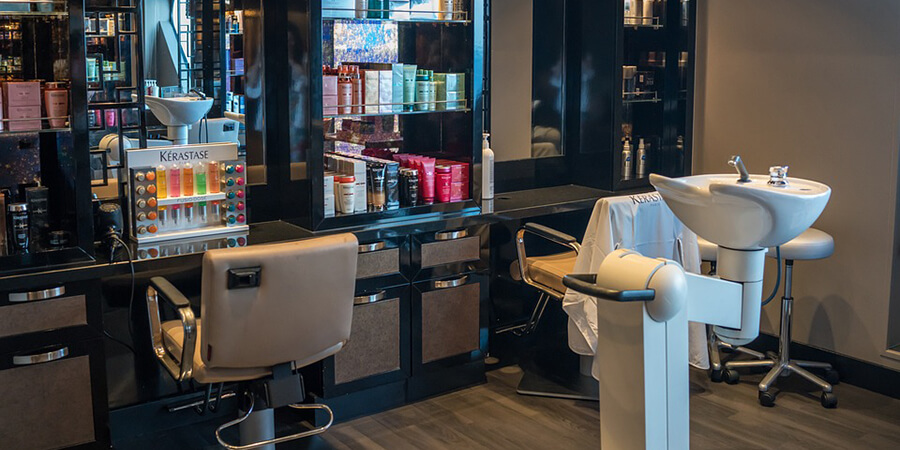
While buying equipment might seem like a simple purchasing task, the ability to make smart, strategic investments is a critical management skill. It's not just about having the latest tools; it's about understanding which resources will provide the best return on investment (ROI) for your salon. Before purchasing a new, expensive piece of equipment, a skilled manager will analyse its potential to generate new revenue, improve service quality, or increase efficiency.
This skill also extends to the management of consumable resources. Implementing a robust inventory management system to track the usage of products like colour, shampoo, and styling agents is essential. This prevents both costly overstocking and frustrating stockouts of popular retail items. A manager skilled in resource management knows the value of every bottle on the shelf and every piece of equipment in use, ensuring the salon operates with minimal waste and maximum profitability.
-
Effective Communication and Delegation
As a salon manager, you are the central hub of communication for your entire team and client base. Effective communication is one of the most essential skills you can possess. This involves setting clear goals and expectations for your staff during team meetings, providing regular, constructive feedback in one-on-one check-ins, and actively listening to the concerns and ideas of your employees.
Equally important is the skill of delegation. Many managers fall into the trap of trying to do everything themselves, leading to burnout and a disempowered team. Learning to delegate tasks effectively reduces your stress and builds the skills and confidence of your staff. Evaluate which responsibilities can be entrusted to others—perhaps a senior stylist could manage the salon's Instagram account, or your front-of-house coordinator could take charge of inventory ordering. By delegating, you show trust in your team and free up your own time to focus on high-level strategic tasks.
-
Robust Financial Management
A deep understanding of financial management is non-negotiable for running a successful salon. You do not need to be an accountant, but you must be able to track expenses, manage cash flow, and keep accurate records of all transactions. Investing in user-friendly accounting software can help you stay on top of your finances and make informed decisions.
This skill involves more than just bookkeeping. It includes strategically setting your service prices to reflect your costs, your brand's value, and the local market. It means understanding the profit margins on both your services and your retail products, and knowing which areas of the business are most profitable. Furthermore, you must be aware of all relevant laws and regulations related to taxes, wages, and employee benefits to ensure your salon is fully compliant. Creating and sticking to a detailed budget is another crucial component that allows you to control costs and plan for future investments.
-
Modern Marketing and Branding Strategies
Even the most talented team will struggle if the salon is empty. Developing effective marketing strategies is essential for attracting new customers and keeping existing ones loyal. In today's digital world, this goes far beyond placing an ad in a local paper. A modern salon manager needs to be proficient in digital marketing, particularly local SEO (Search Engine Optimisation) to ensure your salon appears when potential clients search for "haircut near me."
A professional website with high-quality photos and an integrated online booking system is now a fundamental requirement. Your social media presence, especially on visual platforms like Instagram, is your digital portfolio. Use it to showcase your team's work, share client testimonials, and communicate your brand's unique personality. It's also important to track the performance of your campaigns to see what works. Simple analytics can show you which social media posts drive the most bookings or which promotions are most popular, allowing you to invest your marketing budget wisely.
-
Impeccable Time Management and Organisation
A busy salon can be a chaotic environment, but a skilled manager brings a sense of order and efficiency. Strong time management practices are essential for ensuring the entire operation runs smoothly, from managing a complex appointment book to paying suppliers and ordering supplies on time. By keeping a close track of appointments, you can minimise client waiting times and maximise the number of clients each stylist can see in a day.
Effective scheduling also involves ensuring your staff are not overworked by planning for appropriate breaks throughout the day. For your own work, it is important to prioritise tasks to make the best use of your limited time. Block out dedicated "admin time" in your calendar to focus on finances and marketing without being interrupted. With good time management, you can create a calm and organised environment that benefits both your staff and your customers.
-
Exceptional Customer Service
Providing excellent customer service is the lifeblood of any successful salon. A client may come for a great haircut, but they return for the great experience. As a manager, it is your job to define what that experience looks like and to train your staff to deliver it consistently. This involves creating a welcoming and appreciative atmosphere from the moment a client walks in the door to the moment they leave.
It also means being on top of customer feedback. Regularly review online reviews and listen to any complaints with an open mind. Use this feedback not as criticism, but as a valuable tool for identifying areas that need improvement. By showing that you listen to and act on client feedback, you can build powerful loyalty and ensure your salon's reputation for excellence grows.
-
Proactive Meeting and Team Coordination
As a salon manager, you must be able to efficiently manage meetings to keep your team aligned, motivated, and informed. Regular team meetings should be a core part of your management routine, but they must be productive. Take the time to create a clear agenda for each meeting so that everyone knows what will be discussed.
Use these meetings not just to make announcements, but as an opportunity for training, brainstorming new service ideas, and celebrating team successes. A well-run meeting can be a powerful tool for building team morale and fostering a collaborative culture. It is also important to follow up after a meeting to ensure that any action items have been completed. This keeps everyone on task and demonstrates that the meetings lead to tangible results.
-
Effective Conflict Resolution
In any business where creative people work closely together under pressure, conflicts will inevitably arise. A successful salon manager needs to know how to resolve these disputes effectively and fairly. Whether the conflict is between two staff members or between a stylist and an unhappy client, your role is to act as a calm and impartial mediator.
When dealing with any issue, always remain respectful and listen to all sides of the story before taking action. The skill of conflict resolution involves a great deal of patience and understanding. Once you have determined the best course of action, communicate it clearly and concisely. By resolving conflicts quickly and fairly, you can maintain a positive and professional atmosphere for both your customers and your staff.
Conclusion
Managing a successful salon is a complex and demanding role that blends artistry with sharp business acumen. By developing and honing these eight essential skills—from strategic financial planning and marketing to empathetic communication and conflict resolution—you can create an environment where both your staff and your clients can thrive. With dedication and a commitment to continuous improvement, you can ensure that your salon is managed effectively and continues to flourish for years to come.