


How to Reconnect with Nature
for Better Mental Health
See also: Improving Your Wellbeing
Scientific research consistently demonstrates that human wellbeing is inextricably linked to the health of our natural environment. As modern lifestyles increasingly confine us to indoor, screen-dominated spaces, our psychological detachment from the natural world has measurable, detrimental consequences on our mental health.
This phenomenon, often referred to as 'nature-deficit disorder', highlights the intrinsic biological need for human beings to interact with natural environments in order to regulate emotions, reduce stress, and maintain cognitive function. We have fundamentally distanced ourselves from the very environment that nurtured our physical and mental evolution. Reversing this trend, however, does not require a complete lifestyle overhaul; it simply requires intentionality and practical strategies.
Understanding the specific mechanisms by which nature improves psychological resilience is the first step toward building a healthier, more balanced life. This comprehensive guide explores the scientifically proven benefits of outdoor exposure and provides actionable methods for seamlessly integrating nature into your daily routine to safeguard your mental health.
The Core Psychological and Physical Benefits of Nature Exposure
Spending intentional time in nature benefits our whole self, creating a positive feedback loop between our physical bodies, our mental state, and our emotional wellbeing. It is vital to understand exactly why reconnecting with our physical environment is essential for a balanced life.
Physical Health and Vitality
Being outdoors naturally increases general fitness levels and encourages a more active lifestyle. Exposure to natural sunlight regulates circadian rhythms and raises vitamin D levels, which is crucial for bone health and immune system regulation. Furthermore, spending time in green spaces has been linked to improved distance vision and better cognitive agility. It actively helps to reduce blood pressure, alleviates symptoms of attention fatigue, and lowers the risk of chronic conditions. Getting regular exercise in a natural environment is often more psychologically restorative than indoor workouts, providing the added benefit of breathing fresh, unpolluted air while lowering physical tension.
Mental Health and Emotional Regulation
Spending time in nature has been definitively proven to reduce the physiological markers of stress, depression, anxiety, and anger. It naturally slows the heart rate and restores a profound sense of calm. The natural world provides a restorative environment; it allows our brains to take a much-needed break from the constant, high-intensity stimuli of urban living and digital notifications. This concept, known as Attention Restoration Theory, suggests that nature captures our attention effortlessly (a state called "soft fascination"), allowing our directed-attention abilities a chance to replenish. Studies show that efficiently lowering levels of the stress hormone cortisol requires just twenty to thirty minutes sitting or walking in a natural setting.
Spiritual Connection and Cognitive Perspective
Tuning into the rhythms of nature issues a powerful reminder that we are part of a massive, interconnected ecosystem. This provides a fresh sense of perspective regarding our place in the world. When we become trapped in the minutiae of daily life—fixating on deadlines, bills, and minor interpersonal conflicts—it is easy to lose sight of the bigger picture. Observing the resilience of wildlife, the changing of the seasons, or the vastness of a star-filled sky can dramatically shift our worldview, helping to mitigate feelings of existential anxiety.
Practical Strategies to Incorporate Nature into Everyday Life
If we can harness the restorative power of nature in our everyday routines, we build a buffer against psychological distress. Rather than spending excessive time indoors staring at screens, the most effective intervention we can make is to rebuild our connection with the great outdoors. Here are actionable strategies that anyone can easily implement.
Go for a Mindful Nature Walk
Building your connection with nature can be as simple as leaving the car at home and traveling on foot. If you routinely walk to the shops, choose a route that takes you through a park or alongside a river. Forest bathing (shinrin-yoku) is a Japanese practice proven to lower blood pressure and improve feelings of happiness by immersing the individual in a forest atmosphere. You do not need to be an expert to benefit from this; however, if you are genuinely curious about your environment, you might choose to identify plants with Botan to deepen your engagement. Whether you actively study the flora or simply observe the complex patterns of the bark, the goal is to anchor your attention in the present physical reality.
Embrace Animal Companionship
Animals serve as a profound bridge between our modern routines and the natural world. Interacting with animals forces us to step outside of our own ruminations and engage with another living consciousness. For individuals managing significant mental health challenges such as severe anxiety, depression, or trauma, this connection is often transformative. In such cases, legally getting an ESA dog can provide both necessary emotional scaffolding and a structured, non-negotiable reason to experience the outdoors daily. The routine of walking and caring for an animal naturally integrates outdoor exposure into your day, significantly reducing cortisol levels and combating feelings of isolation.
Socialise Outside
Take every opportunity for social meet-ups to take place outdoors when the weather permits. Instead of meeting up in a crowded, noisy coffee shop, arrange a picnic or an outdoor walk with a friend. You can top up your daily quota of vitamin D while engaging in meaningful conversation. Spending time outdoors with others is an excellent antidote to screen dependency and significantly aids in caring for your body and your social relationships simultaneously.
Meditate Outdoors
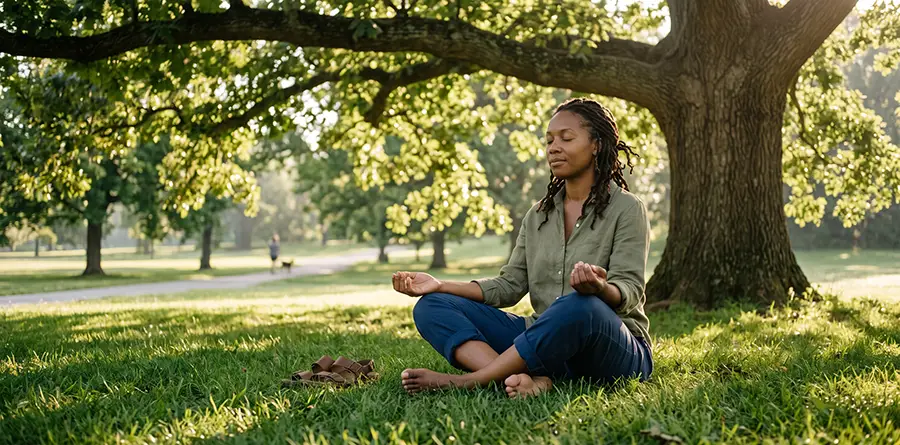
There is a reason why meditation retreats are often found in the mountains or deep in the forest. Nature is an environment where perception comes alive. Without the distractions of everyday life, outdoor meditation activates your senses and makes your practice more alert. Find a calm, safe spot in your garden or a local park. Practise mindfulness by spending just a few minutes being completely in the moment, feeling the wind on your skin, and focusing on your breath.
Cultivate Indoor Greenery and Gardening
If you cannot get outside, bring the outside in. Nurturing a plant is one of the most accessible ways to become intimately connected to natural growth cycles. Whether you tend a vegetable patch or simply grow herbs on a kitchen windowsill, there is deep satisfaction in cultivation. Caring for indoor plants has been scientifically shown to lower physiological stress. Place lush green houseplants around your living space to improve air quality and provide a visual psychological rest.
Practise Grounding and Physical Connection
If you are craving a direct physical connection with the earth, taking your shoes and socks off and walking barefoot on the grass is highly effective. 'Grounding' (or 'earthing') allows you to physically connect with the natural surface of the earth. Beyond barefoot walking, you can practise grounding by lying down in a park, swimming in a natural body of water, or simply gardening with your bare hands in the soil. This tactile engagement rapidly pulls your focus away from cognitive stress and into physical sensation.
Optimise Your Workspace with Biophilic Design
For many professionals, spending hours outside is not feasible due to work commitments. However, you can bring elements of nature into your workspace to reap psychological benefits. Position your desk near a window to maximise natural light and give your eyes a distant view to focus on during breaks. Incorporate biophilic design principles by using natural materials like wood and stone in your office decor. You can also play high-quality nature soundscapes—such as rainfall or forest ambiance—to mask distracting background noise and lower baseline stress levels while working.
Further Reading from Skills You Need

The Skills You Need Guide to Life
This two-part guide is an easy-to-read summary of the essential skills you need for a healthy mind and body.
The first eBook, Looking After Yourself, covers some of our most popular content and will help you to live a happier, healthier, and more productive life.
The second eBook, Living Well, Living Ethically, considers how you can live your best life all the time. It helps you to answer the question: how can I avoid having too many regrets about my life?
Conclusion
Reconnecting with nature is not just a leisure activity; it is a fundamental biological requirement for maintaining a healthy, resilient mind. In a world that increasingly pushes us toward digital isolation and urban confinement, making a conscious, daily effort to step outside is an act of profound self-care.
By integrating these straightforward practices into your routine—whether taking a mindful walk, engaging with an animal companion, or nurturing indoor plants—you can significantly reduce stress and improve your overall wellbeing. Stress management is heavily reliant on our environment. Nature offers a free, accessible, and endlessly restorative sanctuary. You simply have to make the choice to step outside and embrace it.
About the Author
Dr. Clara Higgins is an Environmental Psychologist and Wellness Coach specializing in ecotherapy and the psychological impact of urban environments on human health. She works with individuals and corporate teams to develop strategies for integrating nature-based mindfulness into high-stress routines.
When she is not consulting, Clara is an avid amateur mycologist who spends her weekends foraging for wild mushrooms in the dense woodlands of the Pacific Northwest.