


A DIY Guide to Becoming a PR Expert
See also: Strategic MarketingFor many small and developing businesses, getting noticed is one of the biggest challenges. While advertising is a common strategy, another powerful way to spread the word is through Public Relations (PR). Done correctly, PR can be a more authentic and cost-effective method for building your brand's reputation.
It is easy to confuse PR and advertising, but they are fundamentally different. A popular saying in the industry goes: "Advertising is what you pay for; publicity is what you pray for." Advertising involves paid announcements promoted through various channels. Public Relations, on the other hand, is a form of strategic communication focused on building a mutually beneficial relationship between your company and the public through earned media.
People are more likely to trust information presented in an article or by an industry expert than in a paid advertisement. However, for most growing companies, the budget for a dedicated PR manager is a significant constraint. The good news is that you don't need to be a seasoned expert to get media attention. As the business owner, you have a deeper understanding of your brand than any outsider. By learning how to craft talking points, handle interviews, and pitch your brand to the media, you can become your company's own, effective PR manager.
First, Find Your Newsworthy Story
Before you can begin any outreach, you need to have a story worth telling. Public relations is the art of influencing and persuading people. If you can convince a journalist, blogger, or influencer that your business has a compelling narrative, they are more likely to share it with their audience. This kind of third-party endorsement can be invaluable for attracting new prospects.
But what makes a story "newsworthy"? Journalists and media outlets look for several key elements:
Impact: Does your story affect a large number of people? For example, a new service that helps local residents save money on energy bills has a high community impact.
Timeliness: Is your story relevant right now? Tying your announcement to a current event, a holiday, or a trending topic can make it more appealing to the media.
Novelty: Is your business doing something new, unusual, or surprising? Imagine a local bakery that starts using a rare, locally sourced heritage wheat for its bread. This unique angle makes for a much more interesting story than simply announcing "we bake good bread."
Human Interest: Does your story have an emotional core? A tech startup that develops an app to help visually impaired people navigate public transport is not just a technology story; it is a human interest story about improving lives.
Before you begin your PR efforts, take the time to reflect on your business. What makes you different from your competitors? Have you received a glowing testimonial from a well-known industry figure? Are you about to launch an innovative new product? Identifying the most compelling and newsworthy angle is the crucial first step in any successful PR campaign.
-
Identify and Target the Right Media
Once you have your story, it is tempting to shout it from the rooftops to anyone who will listen. However, a scattergun approach is rarely effective. Instead of targeting your story to everyone, focus your efforts on the specific reporters, analysts, and influencers who are well-known and respected within your industry. A single, well-placed article in a niche blog can be far more valuable than a dozen mentions in irrelevant publications.
A personal and targeted approach is key. Before reaching out, do your homework. Create a media list of key contacts who cover your industry. Read their recent work, understand their "beat," and get a sense of the stories they like to tell. This allows you to tailor your pitch to their specific interests.
How can you apply this strategy in the business world?
Let's imagine you are a baker who has just launched a new website and a blog featuring unique baking tips. Instead of sending a generic press release to a hundred random email addresses, you identify three popular local food bloggers and a journalist at the regional newspaper who regularly writes about small businesses. You send each one a personalised pitch that references a recent article they wrote and clearly explains why your story—perhaps your unique sourdough recipe or your commitment to local ingredients—would be a great fit for their audience. Including a small, complimentary sample of your products can also make your pitch more memorable.
-
Know Where Your Customers Are
Effective PR isn't just about talking to the media; it's about engaging directly with your community and target customers. To do this, you need to find out where they spend their time online. Which social media platforms, forums, or community groups are they most active on?
Once you have identified these platforms, your goal is to participate authentically. Answer questions related to your industry, offer helpful tips, and contribute to the conversation without being overly promotional. The aim is to establish yourself as a friendly, credible, and helpful presence. Over time, this builds trust and positions you as an expert in your field. This is a long-term strategy that focuses on building relationships rather than making a quick sale.
How can you apply this strategy in the business world?
Returning to our cake baker example, she could join a local wedding planning group on Facebook. Instead of immediately posting links to her website, she could participate in discussions, offering genuine advice to couples asking about choosing a wedding cake, flavour combinations, or how to cater for dietary restrictions. By providing real value, she becomes a trusted resource, and when members of that group need a cake, she will be the first person they think of.
-
Use Social Media for Direct Communication
While positive news coverage is a fantastic form of publicity, you shouldn't just sit back and wait for it to happen. In the digital age, you have the power to create your own media opportunities. Social media is a powerful tool for direct communication and building a reputation.
You can invite influencers in your niche to participate in a live Q&A on your social media channels, giving helpful answers that everyone can publicly view. When you do this from time to time, you create valuable content and build a strong reputation for your brand. Using relevant hashtags is also crucial for discoverability. Hashtags allow users who aren't yet following you to find your content when searching for topics related to your industry.
How can you apply this strategy in the business world?
Use the search functions on social media platforms to find questions related to your field and provide helpful answers. Our baker could search for hashtags like #BakingHelp or #CakeDecoratingTips and offer her expertise. She could also host a live Instagram session on "5 Common Buttercream Mistakes and How to Fix Them," establishing her authority and engaging directly with a relevant audience. This proactive approach allows you to control the narrative and build your brand's presence without relying on traditional media.
Further Reading from Skills You Need
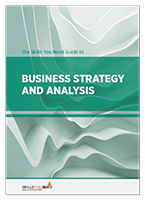
The Skills You Need Guide to Business Strategy and Analysis
Based on our popular management and analysis content the Skills You Need Guide to Business Strategy and Analysis is a straightforward and practical guide to business analysis.
This eBook is designed to give you the skills to help you understand your business, your market and your competitors.
It will help you understand why business analysis is important for strategy—and then enable you to use analytical tools effectively to position your business.
Conclusion
Becoming your own PR expert is an achievable goal, but it requires patience, persistence, and a strategic mindset. Remember that anything you say can become part of your public story, so always think twice and be prepared. Create a list of key talking points before any interview or live event to ensure you cover the most important topics.
Your business may not yet be a household name, but that is not a barrier to effective PR. The key is to communicate authentically on the platforms where your customers are active and to use the tools at your disposal to engage with them directly. These strategies cannot be mastered overnight, but with consistent effort, you can build a strong brand reputation and create game-changing opportunities for your business.
About the Author

Susan Smith is a freelance writer and content strategist specializing in helping small businesses and startups grow their brand presence. With a background in marketing, she focuses on providing practical, actionable advice on topics ranging from social media to public relations.