

How to Overcome Stress at University
A Practical Guide
See also: Dealing with Stress – Top Tips
University is an exciting and fun time for the majority of students. It is a period of immense personal and intellectual growth. However, it is also a time of significant change, and many students experience stress and other mental health challenges that can affect their studies and overall quality of life.
Research consistently shows that a large percentage of students feel stressed, with many citing key factors such as exams, finances, homesickness, and the pressure of graduation as primary triggers. It is therefore vital to take care of yourself at university and develop practical strategies for managing these stressors before they become overwhelming.
Getting Used to University Life
The transition to university can be a significant adjustment. For many, it is the first time living away from home, which means taking on a new level of independence. You are suddenly responsible for organising your own finances, housework, and social life around your studies, in addition to any part-time jobs you might take on. This can take some getting used to, especially during your first year.
Furthermore, the teaching formats and learning methods at university are very different from what you may be used to at school or college. There are far fewer contact hours, which means you will be working independently most of the time. You are expected to organise your own learning and manage your own deadlines, rather than being taught directly by a lecturer in a structured classroom environment.
To adjust to this new way of working as quickly as possible, access your lecture schedule and course handbook as soon as you can. This will allow you to plan your days and weeks around your lectures and seminars. It is also a good idea to note all your exam and assignment deadlines in a calendar at the start of the term, so that you can plan your studies and avoid any last-minute panic.

Organising Your Finances
The thought of organising your own finances can be overwhelming, especially when you have to think about tuition fees, maintenance loans, and day-to-day living costs. However, with a bit of planning, it is entirely manageable. Here are a few tips to get by:
Save on Travel. Take advantage of the many discounts and offers available to students on buses and trains to cut your costs. Many students also like to save money and get some exercise by simply walking or cycling to campus when they can.
Cook Sensibly. By stocking up on some basic spices, herbs, and cooking ingredients at the start of term, you will be able to cook plenty of cheap and healthy meals. Remember, you don’t need to eat takeaways all the time! Buying recipe ingredients and cooking at home is usually the cheapest and healthiest option.
Make Socialising Affordable. There are plenty of opportunities to socialise and make friends at university, but you don’t have to break the bank to do so. Most student union bars have cheap nights, and plenty of local restaurants will offer good student deals too.
Keep an Eye on Your Finances. It is very easy to spend more than you plan to, so it’s important to create a simple budget as soon as you receive your student loan. Check your bank balance regularly to keep track of your spending and determine what you can afford for the rest of the term. See our guidance on student budgeting.
Overcoming Homesickness
When you go to university, it may be the first time you "fly the nest," and it can be difficult to leave friends and family behind. Moving to a new, unfamiliar place can be daunting, especially when you are also dealing with the pressure of studying for exams. Feeling homesick is a completely normal experience.
To overcome homesickness, it is important to push yourself to make new friends and build a new support network. Don’t hide away in your room—knock on your neighbour's door in your halls and get chatting. Your university will also have a huge range of societies and sports clubs you can get involved with. Whatever you like to do in your spare time, it is highly likely that there will be a social group dedicated to your favourite hobby, and this is one of the best ways to meet like-minded people. You may also appreciate our guide to making friends as an adult.
University is about making new friends, but it’s also important to maintain your connections with your old ones. Make sure you schedule regular calls with friends and family at home, and plan visits during the holidays. This is an effective way to keep homesickness at bay and stay in touch with everyone who is important to you.
Thinking About Life After University
If you’re in your final year, the thought of what you will be doing after graduation can be a significant source of stress. It is therefore important to think ahead. Start by considering what type of industry or career would suit you and your qualifications. Your university's career service is an excellent resource for this and can provide guidance and advice.
Once you have an idea of a potential career path, try to get some relevant work experience during the holidays or on a part-time basis while you study. Many universities also have programs that help you with work placements. Top universities in Canberra for instance help connect their undergrads with their local health district partners so that students can get real world experience prior to graduation. While some work experience may be unpaid, don’t be put off by this. Future employers will want to see that you have practical experience on your CV as well as your degree.
If you haven’t decided on a career yet, don’t panic! Many graduates take some time out after university to travel, volunteer, or simply work in a non-graduate role while they consider their options. It can be a great way to see the world and gain valuable life experience before deciding on your long-term career path.
Getting the Help You Need
Unfortunately, there can still be a lot of stigma associated with stress and mental health problems, but that should not deter you from getting the help you need if you are struggling. Don’t be ashamed to speak to trusted friends and family members about low mood, anxiety, or stress. By talking your problems through, you can work towards overcoming them, and you might get some really good advice too.
What’s more, almost all universities offer free and confidential counselling or other mental health services for their students. Find out what sort of help is on offer at your university and take full advantage of it. Seeking support is a sign of strength, not weakness.

Further Reading from Skills You Need
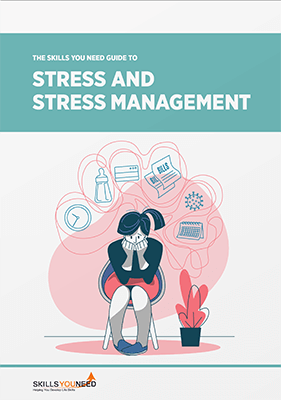
The Skills You Need Guide to Stress and Stress Management
Understand and Manage Stress in Your Life
Learn more about the nature of stress and how you can effectively cope with stress at work, at home and in life generally. The Skills You Need Guide to Stress and Stress Management eBook covers all you need to know to help you through those stressful times and become more resilient.
Conclusion
University is a unique and exciting experience, so don’t allow stress or mental health issues to prevent you from making the most of your time as a student. By being proactive, organised, and willing to seek support when you need it, you can effectively manage the common stressors of university life.
Remember to be kind to yourself during this period of transition. By taking practical steps to manage your finances, stay connected with loved ones, and plan for your future, you can build the resilience needed to not only cope with stress but to thrive in your new environment.
About the Author
This article was written in conjunction with a leading student accommodation provider to share insights into the common challenges students face and to provide practical, helpful advice for managing stress at university.