


The Ultimate Guide to Online Learning
See also: Online Education and LearningThe internet has revolutionized education, making learning opportunities more accessible than ever before. From formal degrees to specific skill certifications, online learning offers incredible flexibility for personal growth and professional advancement. While some courses require investment, a vast amount of high-quality educational content is available for free.
Online learning generally falls into three categories: academic (formal education), personal interest (hobbies, general knowledge), and occupational (professional skills and career development). This guide focuses primarily on the occupational category, exploring how you can leverage online platforms to acquire in-demand skills and enhance your career prospects.
Making effective use of the diverse online learning options available requires initiative and specific skills, but doing so can unlock pathways to fulfilling employment or successful self-employment. Whether you're looking to change careers, upskill in your current role, or launch your own venture, understanding the landscape of online professional training is the first step.
This guide explores the benefits of online learning, highlights key platforms and skill areas, and discusses the essential personal skills needed to succeed as an online learner.
The Advantages of Online Learning for Career Growth
Online learning offers distinct advantages over traditional classroom settings, particularly for working professionals or those seeking to pivot their careers:
Flexibility and Accessibility: Perhaps the most significant benefit is the ability to learn anytime, anywhere. Online courses allow you to study around existing work schedules, family commitments, or personal routines. All you typically need is a device and an internet connection, removing geographical barriers to education.
Diverse Range of Subjects: The breadth of topics available online is immense. From highly technical fields like software development and data science to creative pursuits like graphic design and digital marketing, you can find courses tailored to almost any career path or skill gap.
Paced Learning: Many online courses allow you to learn at your own pace. You can revisit complex topics, spend extra time on challenging modules, or accelerate through familiar material, ensuring a deeper understanding tailored to your learning style.
Cost-Effectiveness: While some online degrees or certifications involve significant fees, many high-quality courses are available for free or at a much lower cost than traditional campus-based programs. This makes professional development more accessible regardless of financial constraints.
Direct Applicability: Occupational online learning often focuses on practical, job-ready skills. Certifications from industry-recognized providers can directly boost your CV and demonstrate specific competencies to employers.
These advantages make online learning a powerful tool for continuous professional development (CPD) and career adaptation in a rapidly changing job market.
Navigating Online Learning Platforms
Numerous platforms cater to online learners seeking professional skills. While some prestigious universities (like Harvard, Stanford, and MIT through platforms like edX or Coursera) offer free courses (sometimes called MOOCs - Massive Open Online Courses), other platforms specialize in specific skill areas or offer structured certification paths. Examples include:
Broad Skill Platforms: Websites like Coursera, edX, Udemy, Udacity, and Skillshare host thousands of courses across various disciplines, often taught by university professors or industry experts. They offer both free and paid options, including certificates, 'nanodegrees', or specializations.
Tech-Focused Platforms: Platforms like Pluralsight, Treehouse, and Codecademy specialize in technology skills, offering courses in programming, web development, data science, and IT infrastructure.
Professional Networking Platforms: LinkedIn Learning (formerly Lynda.com) provides a vast library of video courses integrated with its professional networking site, covering business, creative, and technology skills.
Company-Specific Training: Major technology companies like Microsoft (Microsoft Learn), Google (Google Skillshop, Google Career Certificates), and Amazon (AWS Training and Certification) offer free or paid training and certifications focused on their specific products and ecosystems.
When choosing a platform or course, consider your learning goals, budget, time commitment, and whether you need a formal certificate or accreditation. Many platforms offer free trials or introductory courses, allowing you to explore before committing fully. Remember to research the reputation of the course provider and read reviews from other learners.
In-Demand Skills You Can Develop Online
The digital transformation across industries has created high demand for specific skill sets that are well-suited to online learning. Here are some key areas where online courses and certifications can significantly boost your career prospects:
Web Design and Development
Creating and maintaining websites remains a fundamental need for businesses of all sizes. Online courses cover everything from front-end design (HTML, CSS, JavaScript, user experience principles) to back-end development (server-side languages like Python or Node.js, database management). Learning web design online offers a pathway to roles in agencies, in-house teams, or establishing a freelance business. While formal degrees exist, many successful web professionals build their careers through online certifications and portfolios demonstrating practical skills. This field requires a blend of technical ability, creative thinking, and attention to detail.
Cybersecurity
With the rise in cyber threats and the increasing importance of data privacy, cybersecurity professionals are in exceptionally high demand. Online learning provides accessible routes into this field, covering topics like network security, ethical hacking, risk assessment, incident response, and compliance. Numerous industry-standard certifications (such as CompTIA Security+, Certified Ethical Hacker (CEH), or Certified Information Systems Security Professional (CISSP)) can be prepared for, or even fully obtained, through online training programs. This field demands strong analytical skills, meticulous attention to detail, and an ongoing commitment to learning as threats evolve.
Data Science and Analytics
Businesses increasingly rely on data to make informed decisions, driving demand for professionals skilled in data collection, cleaning, analysis, interpretation, and visualization. Online courses cover areas like statistical analysis, machine learning, data engineering, and proficiency in tools like Python, R, SQL, and platforms such as Microsoft Azure or AWS data services. Certifications related to specific platforms or data science methodologies can validate your expertise. This field requires strong quantitative reasoning, problem-solving abilities, and the skill to communicate complex findings clearly.
Digital Marketing and SEO
As commerce and communication shift online, digital marketing skills are essential for nearly every business. This broad field includes search engine optimization (SEO), content marketing, social media marketing, pay-per-click (PPC) advertising, email marketing, and analytics. Numerous online courses and certifications (e.g., from Google, HubSpot, Hootsuite) can teach you the fundamentals and advanced techniques. Success in digital marketing requires a blend of creativity, analytical ability (to interpret campaign data), strong writing skills, and adaptability to keep up with changing algorithms and platforms. These skills are valuable for in-house roles, agency work, or self-employment.
Human Resources (HR) and Recruiting
The changing nature of work, including the rise of remote and hybrid models, has placed unprecedented importance on effective HR and recruitment practices. Online courses cover talent acquisition, onboarding, employee engagement, performance management, HR analytics, and employment law. Professional certifications from organizations like HRCI (Human Resource Certification Institute) or SHRM (Society for Human Resource Management), as well as specialized university programs available online, can significantly enhance an HR professional's credentials. This field demands strong interpersonal skills, ethical judgment, organizational abilities, and increasingly, data analysis skills (people analytics).
Software Development
The demand for software developers continues its impressive growth as businesses across sectors seek to automate processes, improve efficiency, and create new digital products and services. Online learning offers extensive pathways, from introductory coding bootcamps to advanced certifications in specific languages (like Java, Python, C++), frameworks (like React or Angular), cloud platforms (AWS, Azure, Google Cloud), or specialized areas like mobile app development. Certifications from major tech companies (e.g., Google's Certified Professional Cloud Architect, Oracle's Java certifications) are well-respected. This career requires strong logical reasoning, problem-solving skills, attention to detail, and often, effective teamwork within development cycles.
Essential Personal Skills for Online Learning Success
While online platforms provide the resources, successfully completing courses and translating that learning into career advancement requires specific personal skills:
Self-Motivation: Without the structure of a physical classroom, you need internal drive to start modules, complete assignments, and stay on track.
Time Management: Balancing online studies with work, family, or other commitments requires effective planning and prioritizing.
Self-Discipline: Sticking to a study schedule, resisting distractions, and persevering through challenging material are crucial.
Digital Literacy: Comfortably navigating online platforms, using digital communication tools, and troubleshooting basic technical issues are necessary prerequisites.
Critical Thinking: Evaluating information sources, understanding complex concepts, and applying learned knowledge require active engagement, not just passive consumption.
Communication Skills: Many online courses involve discussion forums, group projects, or interacting with instructors. Clear written communication is often essential.
Developing these underlying skills is as important as mastering the course content itself. They not only enable successful online learning but are also highly valued by employers.
Further Reading from Skills You Need
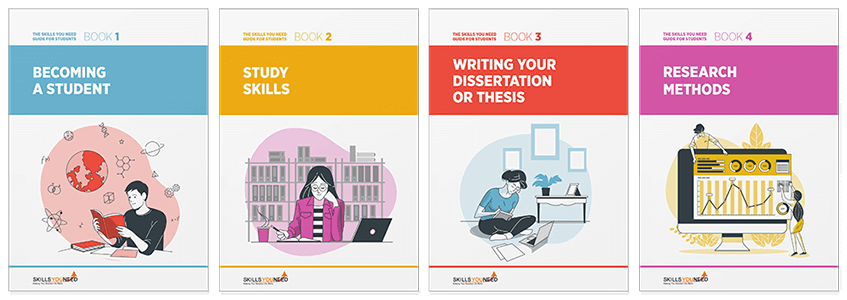
The Skills You Need Guide for Students

Develop the skills you need to make the most of your time as a student.
Our eBooks are ideal for students at all stages of education, school, college and university. They are full of easy-to-follow practical information that will help you to learn more effectively and get better grades.
Conclusion
Online learning requires discipline and self-motivation, as you must manage your own time and progress without the direct oversight of a traditional classroom. Some certifications involve significant investments of time and potentially money, though often less than comparable campus-based programs. However, the internet offers unparalleled opportunities for self-education and career advancement if you approach it strategically.
By identifying in-demand skill sets, choosing reputable learning platforms, and committing the necessary time and effort, you can leverage online learning to significantly enhance your professional value. Remember that the journey involves not only acquiring technical knowledge but also strengthening the personal skills needed to be an effective lifelong learner.
About the Author
Sam Summers covers the education, tech and digital marketing industries as a freelance writer and is passionate about helping people learn and self-improve. When she is not writing, she is probably out walking her dogs.