

How an MBA Program Can Help
You
Network Effectively and Land a Good Job
See also: Top Tips for Effective Networking
In today's hyper-competitive corporate environment, standing out from a sea of highly qualified candidates requires significantly more than just an impeccable resume.
Often, the deciding factor in securing coveted executive roles is not merely what you know, but who you know. Having the right connections can grant you access to the hidden job market, where the most lucrative leadership positions are filled before they are ever publicly advertised.
This is where pursuing an advanced business degree can yield life-changing dividends. While the rigorous academic curriculum of a top-tier business school provides the theoretical foundation for leadership, the true, lasting value of the degree often lies in the hidden curriculum: the network. In this article, we explore how an MBA program acts as a powerful catalyst for professional relationship building, offering unparalleled opportunities to forge connections that will actively accelerate your career trajectory.

The Power of Cohort-Based Learning
One of the most immediate and profound networking benefits of pursuing a Master of Business Administration in MA or any other esteemed program is the cohort learning model. Unlike many undergraduate studies where students drift in and out of large lecture halls anonymously, MBA candidates are deliberately placed into small, highly diverse groups.
These cohorts spend months collaborating under intense academic pressure, analyzing complex case studies, and delivering group presentations. This shared crucible experience rapidly accelerates relationship building. Your classmates will eventually disperse across the globe, entering high-level roles in consulting, finance, technology, and entrepreneurship. By cultivating deep trust and mutual respect during your studies, you are effectively building a lifelong, personal boardroom of advisors who will champion your career for decades to come.
Accessing Exclusive Global Alumni Networks
When you enroll in an MBA program, you are not just connecting with your immediate peers; you are purchasing a ticket into a deeply entrenched, highly protective global alumni network.
Business school alumni are famously fiercely loyal to their alma mater. They are highly incentivized to hire, mentor, and invest in recent graduates from their own programs. Most universities maintain sophisticated, searchable digital directories that allow you to filter alumni by industry, company, and geographic location. A polite, well-crafted email to a senior executive that begins with, "As a fellow graduate of..." will almost always yield a warm response and a request for a coffee chat, providing networking opportunities that would be entirely inaccessible to the general public.
Mentorship from Industry Veterans and Faculty
Business schools around the world understand the pivotal role that mentorship plays in fostering both academic and career growth. As such, top-tier MBA programs go to considerable lengths to provide robust, formalized mentorship frameworks for their students.
This often happens through "Executives in Residence" programs, where retired or active C-suite leaders spend time on campus offering one-on-one coaching. Furthermore, your professors are rarely just academics; they are frequently seasoned industry consultants, board members, and venture capitalists. Actively seeking out mentorship opportunities with these faculty members can provide you with profound insights into real-world corporate strategy. More importantly, when they see your dedication and competence first-hand, they become powerful advocates who can directly introduce you to hiring managers in their personal networks.
Strategic Internships as Extended Interviews
The summer internship, typically sandwiched between the first and second years of a full-time MBA, is far more than just a chance to earn extra income or gain course credit. It is, in reality, a twelve-week networking event and an extended job interview.
Companies specifically use MBA internship programs to quietly vet talent for full-time post-graduate roles. By immersing yourself in the company culture, taking on high-visibility projects, and deliberately building relationships across different business units, you make yourself indispensable. If you demonstrate exceptional competence and emotional intelligence during this period, you will likely return for your second year of business school with a lucrative job offer already in hand.
Leveraging Extracurricular Professional Organizations
The networking potential of an MBA extends far beyond the classroom walls. Business schools are heavily populated by student-led professional organizations, ranging from Private Equity clubs to Women in Leadership societies.
Taking an active leadership role in these organizations allows you to interact directly with industry. For example, if you are tasked with organizing an annual industry conference or a guest speaker series, you suddenly have a compelling, professional reason to reach out to high-profile CEOs and thought leaders. When the event concludes, you have established a warm connection that can be seamlessly transitioned into an exploratory career conversation.
Digital Brand Building and Professionalism
In the modern era, physical networking must be augmented by a robust digital presence. Social media platforms, specifically LinkedIn, serve as vital tools for solidifying the connections you make during your MBA.
Deliberate efforts to build a high-quality profile that highlights your MBA projects, leadership roles, and analytical insights will resonate with recruiters. However, visibility must be managed carefully. It is absolutely crucial to maintain professionalism across all digital touchpoints. Constructive dialogue over current market trends exhibits the critical thinking aptitudes that elite companies desire. Mastering the use of these key social networks ensures that the professional brand you build during your degree precedes you into the interview room.
Further Reading from Skills You Need
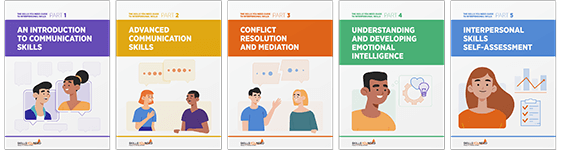
The Skills You Need Guide to Interpersonal Skills

Develop your interpersonal skills with our series of eBooks. Learn about and improve your communication skills, tackle conflict resolution, mediate in difficult situations, and develop your emotional intelligence.
Conclusion
Networking is not merely a byproduct of an MBA; it is arguably the degree's most valuable asset. The rigorous cohort-based learning, highly strategic internships, and immediate access to deeply loyal global alumni networks create a fertile environment for relationship building. By stepping outside your comfort zone, actively seeking out mentorship, and approaching your peers with a collaborative mindset, you lay the groundwork for a deeply supportive professional network. Ultimately, the connections you forge during your MBA will pay dividends long after graduation, actively opening doors and securing gratifying, high-level job roles throughout the entirety of your career.
About the Author
Julian Potter is a former executive corporate recruiter and MBA admissions consultant with over a decade of experience helping professionals pivot into high-level strategy and finance roles. He specializes in teaching candidates how to leverage their academic networks to access the hidden job market.