


Six Skills You Need for Leading Virtual Teams
See also: Team-Working SkillsA virtual team is a group of professionals who collaborate on common goals and projects without sharing a physical workspace. Instead of interacting face-to-face in a traditional office environment, they rely on electronic communication to coordinate their efforts, occasionally meeting in person for strategic alignment.
These team members might work from their own homes in neighbouring towns, or they may be distributed across different offices, borders, and continents. While this offers immense flexibility, managing such a diverse and dispersed group presents unique leadership challenges.
Working in a virtual team can be notoriously difficult. It is frequently noted that half of all virtual teams fail to achieve their primary objectives. Even when they do meet their targets, team members often report feeling disconnected and may be reluctant to participate in similar remote projects in the future.
You might assume that previous experience leading traditional teams will naturally translate to managing a virtual team. However, it takes a highly skilled leader to build, manage, and maintain a successful remote workforce. You will rely on all the core skills developed during face-to-face management, alongside a comprehensive suite of specialised techniques.
The absence of informal opportunities to collaborate, such as water cooler moments or spontaneous desk conversations, means it is significantly harder to build trust and foster a sense of common purpose. Without these natural interactions, a virtual manager must dedicate deliberate time, energy, and resources to establishing strong professional relationships. This applies not only to the dynamic between the manager and individual members but also to the collaborative bonds between colleagues themselves.

Key Skills for Virtual Leadership
To overcome the geographical divide and foster a high-performing remote workforce, leaders must cultivate specific competencies. The following six skills are essential when transitioning from a co-located to a virtual team environment.
-
Transparent Communication
The single biggest problem with communication is the illusion that it has taken place.
George Bernard Shaw
Excellent communication is the foundation of virtual leadership. When you cannot rely on face-to-face interactions, you are heavily dependent on text, audio, and video platforms. Without the full spectrum of physical cues, interpreting the true intention behind a message becomes complex. It is easy to misunderstand what someone is thinking or feeling based solely on a written update or a muted video feed.
As a virtual team manager, you must ensure that your messaging is exceptionally clear and unambiguous. You must constantly verify that you understand your team and that they fully grasp your instructions. This requires moving beyond basic updates and actively confirming comprehension at every stage of a project.
Here are several practical ways to improve your virtual communication:
Communicate regularly and consistently, but avoid overwhelming your team with unnecessary data. Excessively long emails or drawn-out online meetings can lead to fatigue and disengagement.
Schedule dedicated time for one-to-one discussions. Group meetings are useful for general updates, but individual calls are vital for checking on personal wellbeing and addressing sensitive issues.
Paraphrase and summarise complex instructions to guarantee clarity. Always ask team members to explain their understanding of a task before they begin working on it.
Avoid using restrictive jargon or acronyms, particularly when onboarding new staff who may not be familiar with internal company language.
Listen attentively and try to read between the lines. Pay attention to subtle shifts in tone or participation levels, and ask probing questions to uncover any hidden concerns.
More essential communication skills from SkillsYouNeed:
-
Patience
Working virtually inherently involves delays and logistical hurdles. Technology will inevitably fail at inconvenient times, internet connections will drop, and response times may be significantly delayed when collaborating across multiple time zones. A lack of immediate, in-person feedback can make it difficult to interpret the reality of a situation, requiring you to pause and assess before reacting.
You must also manage potential language barriers and differing cultural approaches to work. In the early stages of forming a virtual team, you will need to exercise considerable restraint. Processes will likely take longer to establish, interpersonal frictions may occur as communication styles clash, and team members might hesitate to share their genuine opinions. Meetings will not always run smoothly, and you will need to remain resilient and focused on the overarching goals. Cultivating profound patience is absolutely vital for long-term success.
-
Rapport-Building
Virtual environments risk stripping away the human element of work. Leaders must be highly adept at building meaningful relationships and creating authentic rapport from a distance. If conversations are strictly transactional, the team will struggle to develop loyalty or mutual support.
Deliberately allocate time for the team to learn about one another's lives outside of work. Incorporating a few minutes of informal conversation at the beginning of a meeting can break the ice and humanise the digital workspace. Do not be afraid to share a joke or discuss weekend plans. Remember that your colleagues are individuals experiencing their own pressures; check in on their emotional state regularly and offer sensitive support when they face personal or professional difficulties.
If budget allows, organising an annual or quarterly face-to-face gathering can dramatically improve group dynamics. When you do meet in person, prioritise team-building exercises and social interactions rather than focusing solely on administrative updates that could easily be handled online.
For more about how to do so, you may find it helpful to read our pages on Building Rapport.
-
Results-Focus
All leaders must drive results, but virtual managers face the specific challenge of not being able to physically oversee their staff's daily activities. You cannot rely on visual presence or desk time to gauge productivity. Instead, you must shift your entire management philosophy to measuring and rewarding tangible outcomes.
This requires establishing crystal-clear accountabilities for every individual. You must agree on transparent methods for monitoring progress, setting definitive milestones, and evaluating final deliverables. By focusing on what is achieved rather than how many hours are visibly worked, you empower your team to manage their own time effectively while ensuring the project stays on track. Avoid the temptation to micromanage through excessive check-ins or invasive tracking software; trust your team to deliver the agreed results.
-
Intercultural Skills
Tolerance, intercultural dialogue and respect for diversity are more essential than ever in a world where people are becoming more and more closely interconnected.
Kofi Annan
Managing a remote workforce frequently means leading an international team spanning various cultures, backgrounds, and time zones. You will need to navigate differing values, contrasting communication styles, and distinct working preferences that may conflict with your own.
Effective virtual leaders excel at managing multiple perspectives and decoding cross-cultural nuances. This allows them to draw out the best performance from each individual while maximising the collective strength of a diverse group. You must be willing to listen, learn, and move past superficial stereotypes.
If colleagues in a specific region repeatedly miss deadlines, do not immediately assume a lack of commitment. Investigate how timelines are perceived in their culture, evaluate the level of support they receive, and ensure your instructions are not losing clarity in translation. If a team member remains quiet during group calls, consider adjusting your meeting structure. Providing agendas and materials well in advance can help those who need extra time to process information in a second language. Always follow up with one-to-one discussions to ensure everyone has a voice.
For more about how to do so, you may find it helpful to read our pages on Intercultural Communication.
-
Technology Skills
The more elaborate our means of communication the less we collaborate.
Joseph Priestley
Virtual teams rely entirely on digital infrastructure to interact, collaborate, and share data. As a manager, you must lead by example and demonstrate strong technical proficiency. You need the insight to select the most appropriate software for your team's specific requirements, matching each task to the ideal communication channel.
It is best to adopt a streamlined selection of core tools that everyone uses consistently, avoiding platform fatigue. However, you should also remain sensitive to individual preferences; some colleagues may respond rapidly to a quick instant message, while others might prefer a scheduled video call to discuss complex issues. You must also remain calm and analytical when technical issues arise, providing alternative solutions when primary systems fail.
For teams that need to share sensitive documents and collaborate securely, particularly across different locations, choosing the right platform is essential. A VDR comparison can help businesses evaluate virtual data room solutions and identify the most suitable option for secure document sharing and information management.
Further Reading from Skills You Need
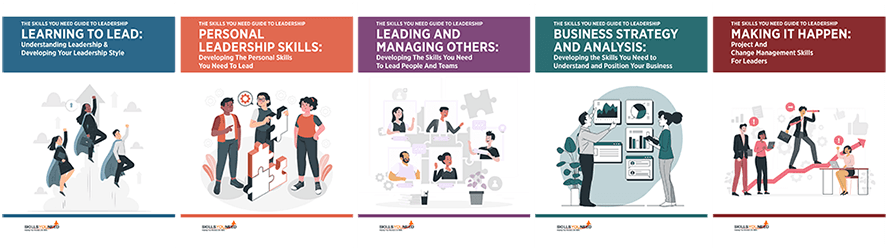
The Skills You Need Guide to Leadership eBooks
Learn more about the skills you need to be an effective leader.
Our eBooks are ideal for new and experienced leaders and are full of easy-to-follow practical information to help you to develop your leadership skills.
Conclusion
Virtual collaboration is rapidly becoming the standard operating model for modern businesses, yet many teams still struggle to achieve their full potential. To navigate this landscape successfully, managers must critically assess how they deploy their existing talents while actively expanding their leadership toolkit to compensate for the lack of physical presence.
By mastering transparent communication, exercising patience, prioritising rapport, focusing on outcomes, embracing intercultural differences, and deploying the right technology, you can build a resilient and highly effective remote workforce. Professionals who can successfully guide virtual projects will remain in extremely high demand across all industries.
About the Author
Cathy Wellings is the Director of The London School of International Communication, which provides training to organisations and their people to help them work more effectively across borders and cultures.
Cathy is an intercultural and global leadership trainer with many years of experience working internationally, both face-to-face and virtually.