


Boost Employee Growth with
Learning Management Systems
See also: Online Education and Learning
A learning management system makes life easier by letting you handle all aspects of training from one platform. Create engaging courses, monitor how everyone is doing, and set up unique pathways for every learner based on their individual needs.
Investing in employees’ growth doesn’t only benefit them – it fuels business success too. Companies that foster strong learning environments often see better long-term performance. Let’s explore how effective use of learning management systems supports staff development.
The Benefits of Leveraging Learning Management Systems for Employee Development
Using a well-chosen learning management system can make a real difference to how employees develop. Instead of simple box-ticking, a good LMS supports meaningful learning, helps people build skills and contributes to steady organisational progress.
When your LMS is designed around learners’ needs, employees are more likely to log in regularly and engage with their courses. They are not just completing tasks; they are actively involved in their own growth and development.
When you provide relevant, well-designed training content, employees can see that their skills and future potential are valued. Feeling valued in this way tends to increase motivation and satisfaction, which in turn supports higher levels of performance across the organisation.
Over time, a learning management system can help shape your workplace culture. By making ongoing learning visible and accessible, it sends a clear message that development is part of everyday work rather than an occasional extra.
When teams have access to thoughtful, well-structured training programmes, they are more likely to feel like active contributors rather than just another part of the process. This can strengthen engagement and help people see how their learning supports wider organisational goals.
Boosting employee growth with learning management systems is also important for staying adaptable. Organisations need these platforms not only to deliver training but also to track progress and adjust quickly in a fast-moving environment.
Key Features of Effective Learning Management Systems
Not all learning management systems are equally effective. To support employee development, you need an LMS that is straightforward to use and designed with learners in mind. For example, a modern system can make onboarding clearer and more consistent for new starters, instead of relying on ad hoc, hard-to-navigate processes.
Personalized Learning Paths
One-size-fits-all training is a thing of the past. Today’s learners expect a personalised experience that reflects their needs and goals.
You can create courses that reflect each employee’s role, experience and career goals, so training feels relevant rather than generic. With a good LMS it is easier to identify skills gaps and offer targeted learning opportunities that help people progress.
Enhanced Reporting and Analytics
The most effective learning and development programmes are those that evolve over time. Data plays an important role in understanding what is working and where changes are needed.
Reporting and analytics tools make it easier to track learner progress, identify gaps in knowledge and assess the impact of your training. Instead of relying on assumptions, you can base decisions on clear evidence.
As employee development becomes more data-driven, a robust LMS can provide the insight required to refine programmes and focus effort where it has the most impact.
Implementing a Learning Management System: Best Practices
Implementing a learning management system can feel challenging at first, but careful planning and clear priorities will make the process more manageable.
Before you compare different platforms, take time to understand your organisation’s goals. Consider which employee competencies are most important and how an LMS can support them.
Choosing the Right LMS Platform
LMS platforms vary widely; some suit smaller organisations well while others are designed for large corporations. Certain systems prioritise ease of use, while others offer more advanced tools and customisation.
When choosing, focus on what aligns with your needs and budget rather than opting for the most feature-heavy or the cheapest option. Compare providers carefully, request demos and make use of trial periods to understand how each platform performs in practice.
Creating Engaging Training Materials
Let’s face it: uninspiring training is ineffective. If employees are clicking through modules with little engagement, it’s time to rethink your approach.
To truly engage your team with effective e-learning content means making it lively and relevant – using videos, scenarios, quizzes and other interactive elements that keep learners involved.
Incorporating Experiential Learning
Diving straight into practical work highlights the value of experiential learning. While reading or watching instructions is useful, hands-on practice helps employees apply what they’ve learned.
Experiential learning can be delivered through simulations, role-play and on-the-job activities within your LMS. This strengthens both confidence and competence and helps employees take on new challenges more effectively.
Overcoming Challenges in LMS Implementation and Adoption
Implementing a new learning management system can greatly improve employee development, but change can be difficult. Some resistance is normal, especially when introducing new technology.
Addressing Resistance to Change
Employees may feel comfortable with existing processes, so adopting a new LMS can seem like extra work. Clear, supportive communication helps people understand the benefits and how the system will simplify their day-to-day learning.
Effective communication might include demonstrations, walkthrough videos and accessible help channels that allow staff to learn at their own pace.
Ensuring Data Security and Privacy
Data protection is a key concern. Because LMS platforms handle personal performance and training information, it’s important to choose a vendor that follows strong security standards such as GDPR compliance, encrypted transfers and secure logins.
Clear internal policies on who can access data and how it is used also help build trust among staff.
Providing Adequate Support and Resources
An LMS implementation requires ongoing support. Assigning a team to oversee the platform, troubleshoot issues and provide training ensures smoother adoption.
Investing in regular updates and fresh training content keeps the system effective over time.
Maximizing the Impact of LMS-Based Training
Once your LMS is up and running, the next step is making sure it genuinely benefits employees and the wider organisation.
Continuously Evaluating and Updating Training Programs
The success of an LMS-based training programme depends on ongoing evaluation and refinement rather than a one-off setup.
Regularly review engagement, completion rates and how well training translates into day-to-day performance. These indicators help you identify where content or structure needs adjusting so training stays relevant and effective in the long term.
Leveraging Advanced Technologies
Modern LMS platforms increasingly use technologies such as artificial intelligence and virtual reality to enhance learning. AI can personalise content and adapt difficulty levels based on learner progress.
Virtual reality can provide practical, hands-on experiences that would be difficult to replicate in a traditional environment, helping employees gain confidence and develop skills safely.
Fostering a Culture of Continuous Learning
Creating a culture that values continuous learning helps employees see development as part of everyday work. Encourage teams to explore learning resources, share insights and participate in optional training.
Making personal development a priority for leaders also sets a strong example and reinforces the importance of ongoing growth.
Further Reading from Skills You Need
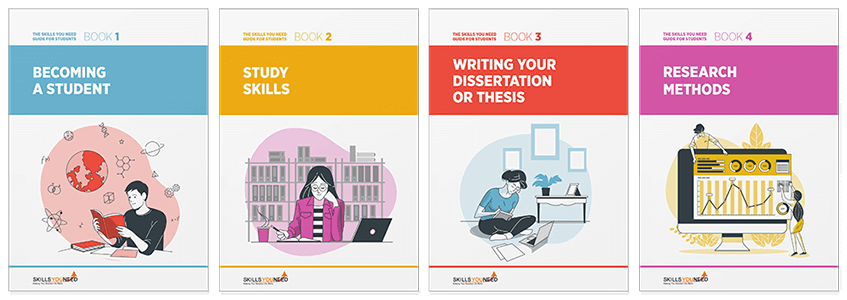
The Skills You Need Guide for Students

Develop the skills you need to make the most of your time as a student.
Our eBooks are ideal for students at all stages of education, school, college and university. They are full of easy-to-follow practical information that will help you to learn more effectively and get better grades.
Conclusion
Learning management systems can significantly enhance employee development by making training more accessible, structured and engaging.
By using data effectively, updating training regularly and supporting employees throughout the process, organisations can strengthen skills, boost performance and create a more resilient workforce.
Introducing an LMS is a practical step towards long-term growth. With thoughtful implementation and consistent support, it can help teams reach their full potential.