


What Are Some Key Aspects of a Good Business?
See also: Running a Sustainable BusinessWhen running a business or planning to start one, it is vital to consider how your working practices impact your culture, employee retention, and ultimately, your profits.
By evaluating both your people and your processes, you can identify significant areas for improvement. Moving away from outdated practices in favour of those accepted in today’s society will not only attract top talent but also help the public feel more favourably about your brand and what you do.
Fostering an Inclusive and Diverse Culture
Today’s workforce is a rich tapestry of people from countless walks of life. A modern, successful business must ensure its cultural competence in the workplace is a top priority. Workplace diversity is multifaceted and includes differences in:
Religious and political beliefs
Race and ethnicity
Disability and neurodiversity
Age and generation
Sexual orientation and gender identity
A good business owner understands that prejudice has no place in the working world. Merely stating this is not enough; it requires proactive and continuous effort to build a genuinely inclusive environment. Vague commitments are no substitute for concrete action.
Actionable Steps for Building an Inclusive Workplace:
Conduct a Diversity Audit: Start by analysing your data. Look at the demographic makeup of your workforce at all levels. Are there disparities in hiring, pay, or promotion rates between different groups? Identifying where the gaps are is the first step toward closing them.
Rewrite Job Descriptions: Scrutinise your job adverts for biased or gendered language that might discourage certain groups from applying. Use tools designed to promote inclusive language to ensure your roles appeal to the widest possible talent pool.
Implement Blind Hiring Practices: To reduce unconscious bias in the initial screening process, remove identifying information such as names, ages, and university names from CVs. Focus solely on skills and experience to ensure a more equitable evaluation.
Provide Ongoing Training: Diversity and inclusion training should not be a one-off event. Organise regular workshops and bring in external professionals to educate your team on topics like unconscious bias, microaggressions, and cultural sensitivity. Encourage open dialogue and create a safe space for learning.
You must also establish clear disciplinary measures for those who violate your diversity and inclusion policies. This protects marginalised team members and sends a powerful message that discrimination will not be tolerated. Being more understanding of people's differences and needs not only creates a positive workplace vibe but also helps you to better understand and serve a diverse client base.
Leading with Compassion and Supporting Well-being
Every individual faces numerous stress factors in their life. While a business should aim to be a positive environment, work itself can sometimes become overwhelming. Beyond the workplace, personal challenges related to family, finances, or health can create significant anxiety that inevitably impacts an employee's performance.
Rather than judging an employee for a temporary lack of productivity, effective leaders respond with compassion. This is especially important for individuals who may already be managing a mental health condition. A compassionate approach can alleviate pressure on a struggling employee and significantly boost their loyalty and engagement, reinforcing your reputation as a great company to work for.
Actionable Steps for Supporting Employee Well-being:
Train Your Managers: Equip your leaders with the skills to support their teams. Training in mental health first aid can help managers recognise the signs of distress, initiate supportive conversations, and direct employees to appropriate resources with confidence and sensitivity.
Establish a Clear Well-being Policy: Offer as many paid sick days as your budget allows, and explicitly include mental health as a valid reason for taking time off. This removes ambiguity and encourages employees to prioritise their health without fear of stigma.
Listen Actively and Offer Support: Regularly check in with your team and ask what you can do to reduce their stress. Sometimes, small adjustments like clarifying priorities or adjusting a deadline can make a significant difference. Conduct anonymous well-being surveys to gather honest feedback on stress levels and identify what support is most needed.
Promote Genuine Work-Life Balance: True support goes beyond policies; it's about culture. Actively discourage a culture of unpaid overtime or after-hours emails. Lead by example by taking your own holidays and respecting your team's personal time.
Real-World Example: An agency noticed high levels of burnout linked to constant digital communication. They introduced a 'no internal emails after 6 pm' policy, led by the management team. This simple, clear boundary helped employees disconnect and recharge, leading to a measured decrease in reported stress and an increase in overall productivity during working hours.
Embracing Modern and Flexible Working Models
It is important to consider a more flexible working environment where appropriate. Some employees thrive in a structured office, while others produce their best work from home. Many prefer a hybrid mix of the two. Assuming a one-size-fits-all approach is a mistake. For example, younger employees living in shared housing may value an office space, whereas employees with children may prioritise the flexibility of remote work.
If your business has successfully trialled remote work and seen no negative impact on output, it is worth formalising a hybrid or remote model. The key is to approach the transition with clear intention and communication.
Actionable Steps for Implementing Hybrid Work:
Define a Clear Policy: Do not leave hybrid work arrangements ambiguous. Decide on a clear model. Will employees be required in the office on specific "anchor days"? Is it up to individual teams to decide their schedule? A well-defined policy prevents confusion and ensures fairness.
Invest in Technology: Effective hybrid work depends on seamless collaboration. Invest in high-quality video conferencing equipment, project management software, and reliable communication tools to bridge the gap between in-office and remote employees.
Rethink the Office's Purpose: If employees are commuting, make the office a destination for activities that are genuinely better in person, such as collaborative workshops, team-building events, and strategic planning sessions. Avoid forcing people to come in just to sit on video calls at their desks.
Remember that employees may need extra support in a fully remote or hybrid model. This includes providing the necessary equipment and ensuring communication channels are robust and inclusive for everyone, regardless of their location.
Building a Fair and Ethical Salary Structure
One of the most fundamental aspects of being a good, ethical business is paying your employees fairly and transparently. While minimising payroll costs can be tempting, paying workers below market rate will only result in a revolving door of talent, costing you more in recruitment and training in the long run.
Salary is not the only factor in job satisfaction, but it is a critical one. Employees rely on their income to live, and chronic underpayment is a leading cause of stress and disengagement. If you pay staff below the industry average, it is only a matter of time before they find an employer who will pay them their worth.
Actionable Steps for Fair Compensation:
Conduct Salary Benchmarking: Regularly research industry-standard salaries for the roles within your organisation, adjusted for your geographical location. This data will help you create a competitive and fair compensation strategy.
Implement Transparent Salary Bands: Create and share clear pay ranges for each role or level within the company. This transparency reduces pay disparities that arise from negotiation bias and shows employees a clear path for financial growth.
Perform a Pay Equity Audit: Analyse your salary data across demographics (e.g., gender, race) to identify and correct any systemic pay gaps. This is a critical step in fulfilling your commitment to diversity and inclusion.
Reward Performance Fairly: Give staff regular, performance-based salary increases that also account for inflation. Introduce a clear bonus or profit-sharing scheme that allows everyone to benefit from the company's success.
Ultimately, becoming a better business is about the level of care, respect, and understanding you show your team. A supportive culture built on these principles will keep employees loyal and motivate them to do their best work, creating a virtuous cycle of success for everyone involved.
Further Reading from Skills You Need
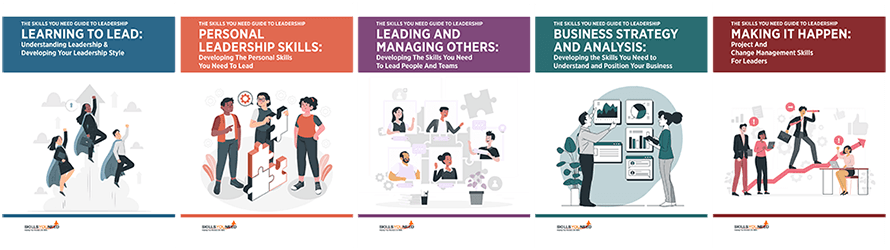
The Skills You Need Guide to Leadership eBooks
Learn more about the skills you need to be an effective leader.
Our eBooks are ideal for new and experienced leaders and are full of easy-to-follow practical information to help you to develop your leadership skills.
Conclusion
Building a truly 'good' business goes far beyond products and profit margins; it is fundamentally about people. By embedding inclusion, compassion, flexibility, and fairness into your core operations, you create an environment where employees can thrive. In turn, a supported and motivated team will drive innovation, deliver superior customer service, and build a resilient and respected company that is poised for long-term success.
About the Author
Emily has been a freelance writer for 5 years. Her writing specialises in covering all aspects of business and personal professional development, and she always strives to maintain her own signature voice throughout her work.