


15 Things to Know to Keep Your Home Safe
See also: Planning and Organising SkillsWhether you're going out of town for a vacation or just want to feel as protected as possible in your everyday life, taking proactive measures to keep your house and household safe is essential.
You never know when crime or accidents could strike. To truly protect your property and everyone in it, you should establish a set of robust security habits and guidelines.
Try these easy, practical tricks to feel more secure and take control of your environment, whether you are relaxing at home or travelling away.
15 Essential Tips for Home Safety
Test the Locks
Always keep your house locked. If you're in a populated area, you should lock your doors even when you are at home. You can lock a screen door if you want to let light and fresh air in but still want the security of a closed-off home. Always make sure your windows are locked after you close them, and never leave them open when you leave the house.
Don't Give Out Spare Keys
The only people who should have keys to your house are people who live there or highly trusted family members. The more you give out your keys, the more people have copies of them. Think carefully before giving a spare key to anyone else. You can always loan someone a key temporarily if they are house-sitting, but ensure you get it back immediately upon your return.
If you suspect there are too many copies of your key floating around, it is time to change the locks. A local locksmith can quickly rekey your home, instantly restoring your peace of mind.
Don't Leave the House While Doing Laundry
Thousands of home fires each year originate in the dryer, often resulting from lint build-up that hasn't been cleaned out properly. When you aren't home to monitor your laundry, do not run the machines. You never know when a faulty cord or overheating motor can cause an issue. To make your home even safer and ensure early detection, consider installing a high-quality notifier fire alarm system.
Install Outdoor Lights
Dark houses make highly attractive targets for thieves. If you want to deter crime, ensure you have ample lighting around your home's exterior. Light up every corner of your front and back gardens so nobody has the opportunity to hide in the shadows. Motion-activated lights are a fantastic deterrent, signalling to would-be intruders that they have been spotted the moment they step onto your property.
Keep Up with Garage Door Maintenance
Even garage doors need routine maintenance. A faulty garage door can be easily bypassed, providing an intruder with direct access to your home. Limit the number of garage door remote openers you hand out, or establish a unique access code that very few people know. If your garage door has started to sag or malfunction, have it inspected and braced immediately by a professional.
Secure Your Wi-Fi
You don't want just anyone accessing your home network. While your family and guests need the password, you must not make it so simple that a stranger can guess it. Maintaining a secure Wi-Fi network ensures your digital activity and smart-home devices are protected from hackers. Make sure your password is complex, utilising a mix of symbols, numbers, and random casing.
Check Your Detectors
Your smoke and carbon monoxide detectors could save your life. Never take the batteries out of your detectors without immediately replacing them. If a fire or a silent gas leak occurs, these alarms are your first line of defence, giving you the crucial seconds needed to evacuate your family safely.
Cover Your Windows
An open, illuminated window is an invitation for a burglary. If you have windows facing the street, use thick curtains or blinds to obscure the view into your home. You can open them during the day, but when you are away or when night falls, drawing the curtains prevents anyone from peering inside to inventory your valuables.
Prevent Termite Damage
Structural safety isn't just about locks—wood-destroying insects can silently compromise your home from the inside out. In many regions, subterranean termites thrive in moist soil and can tunnel into foundations, sill plates, and floor joists. Reduce this risk by fixing leaks, maintaining proper drainage, and storing firewood off the ground. For localised expertise and elimination strategies, see Peachtree termite control, which focuses on protecting your property long-term.
Hide Your Valuables
If potential burglars cannot easily spot high-value items through your windows, your home becomes a far less tempting target. Find a happy medium between displaying the items you love and keeping your most expensive assets securely tucked away in a safe deposit box or a hidden home safe. Always put valuable jewellery and small electronics out of sight when hosting contractors or people you do not know well.
Eliminate Physical Dangers
Home safety also involves protecting the physical wellbeing of the people inside, particularly elderly adults or young children. Eliminate any falling or tripping hazards. Secure all loose rugs to the ground with grip tape, or remove them entirely if they pose a slipping risk. Ensure all walkways and corridors are completely clear of clutter and furniture.
Change Your Air Filters
Your household deserves to breathe clean, healthy air. A dirty HVAC filter forces your heating and cooling system to work harder, which wastes money and poses a fire risk. More importantly, fresh filters efficiently pull allergens, dust, and bacteria out of the air. Aim to change your filters every few months, or more frequently if you have shedding pets.
Install an Alarm System
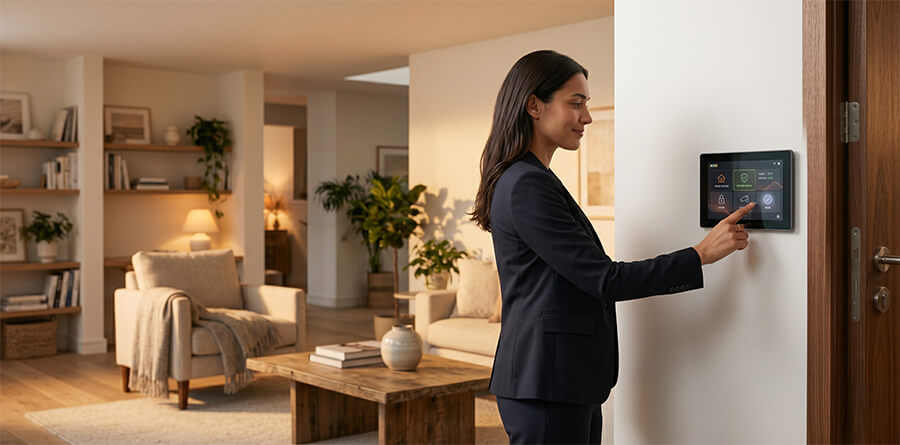
A visible alarm system is one of the most effective ways to prevent unwanted intrusions. You can set it before bed and before you leave for work, allowing your brain to truly relax. Smart alarm systems can be armed and disarmed directly from your smartphone, giving you an extra layer of control and security when you are travelling.
Be Mindful About Social Media
Social media is an incredible tool, but it can easily compromise your physical security. Never post pictures of your new house keys, as they can be easily duplicated from a high-resolution image. Furthermore, resist the urge to post live vacation updates. Broadcasting that you are currently out of the country signals to everyone that your home is empty. Post your holiday photos only after you have safely returned.
Rely on Cameras
Security cameras provide incredible peace of mind when you cannot be there to physically watch over your property. If full CCTV feels too invasive, a video doorbell is a perfect compromise. These devices typically allow for two-way audio communication, letting you speak to whoever is on your porch—whether it is a delivery driver or a suspicious individual—without ever having to unlock the door.
Conclusion
Some of these safety tips require breaking old habits, and nobody likes to admit they have been safeguarding their home incorrectly. However, identifying and patching the vulnerabilities in your home security strategy is one of the most responsible things you can do for your family. While you may not be able to deter all crime or prevent every accident, taking a proactive, multi-layered approach to your home's physical and digital security will significantly reduce your risks and grant you true peace of mind.
About the Author
Alma Rhoad is a residential security consultant and property management expert who specialises in helping families safeguard their homes. With years of experience conducting residential risk assessments, she writes extensively on integrating smart-home technology, environmental design, and physical security measures to create safe, resilient living spaces.